Why Is It Necessary to Filter the Solution?
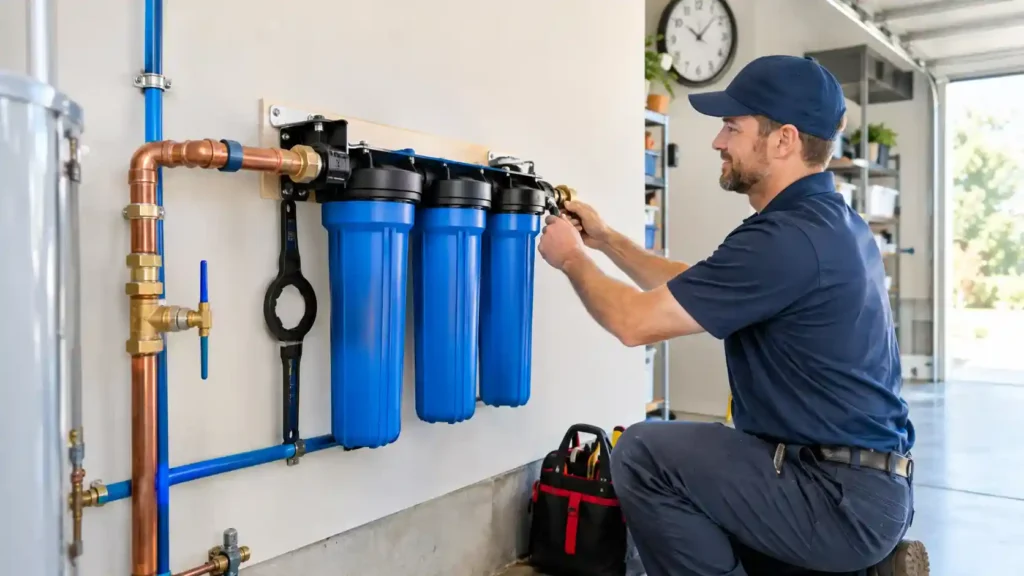
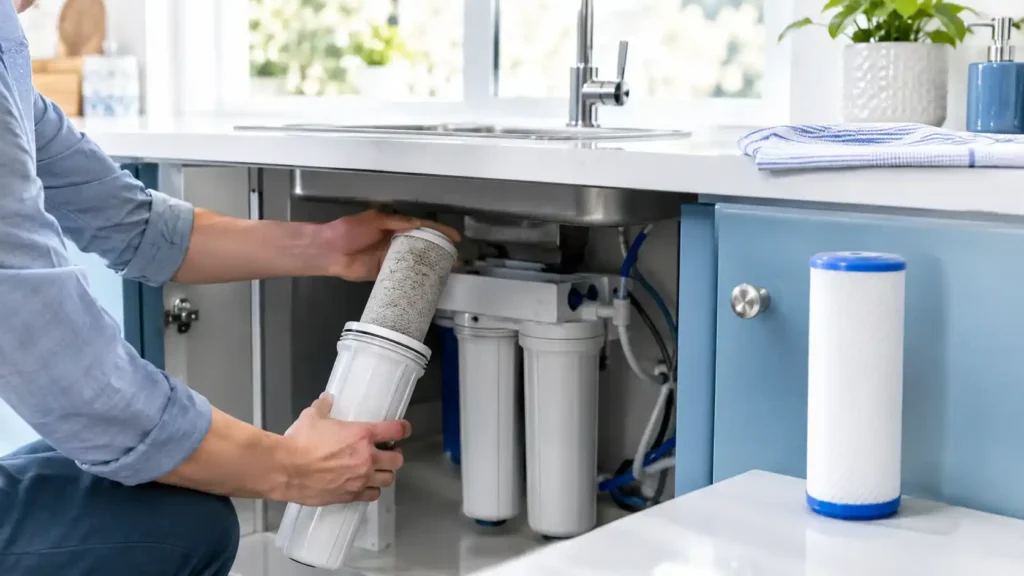
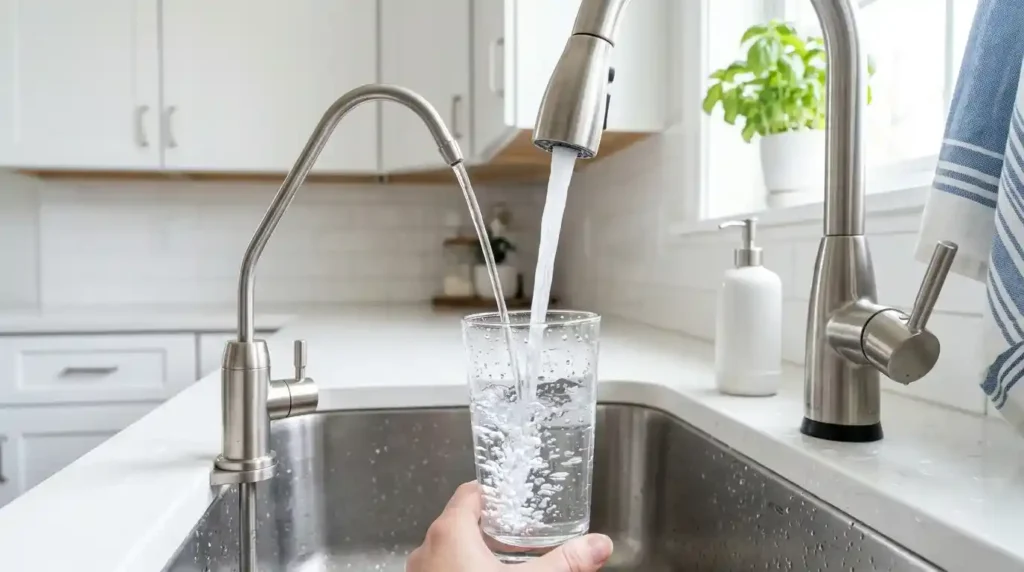
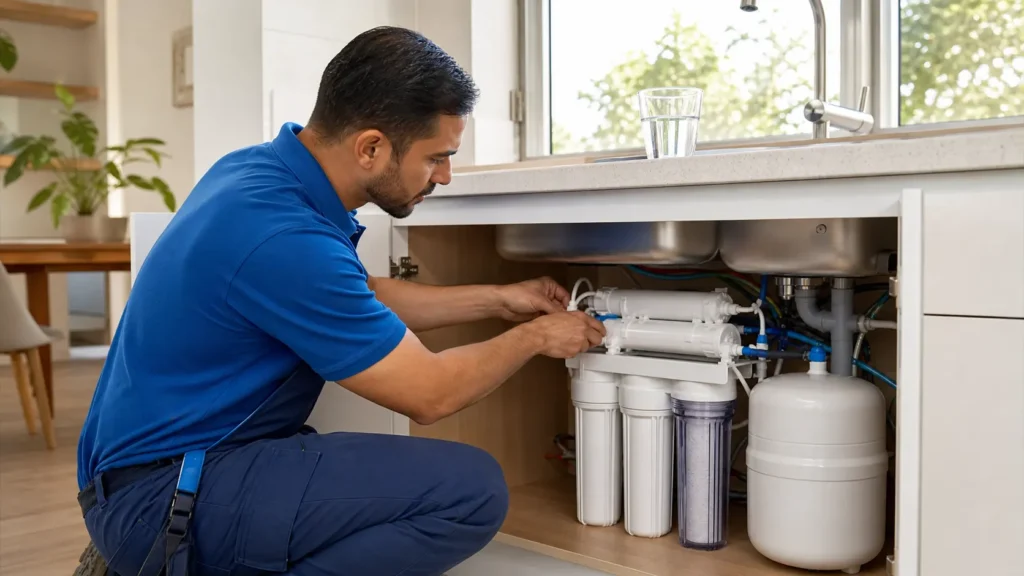
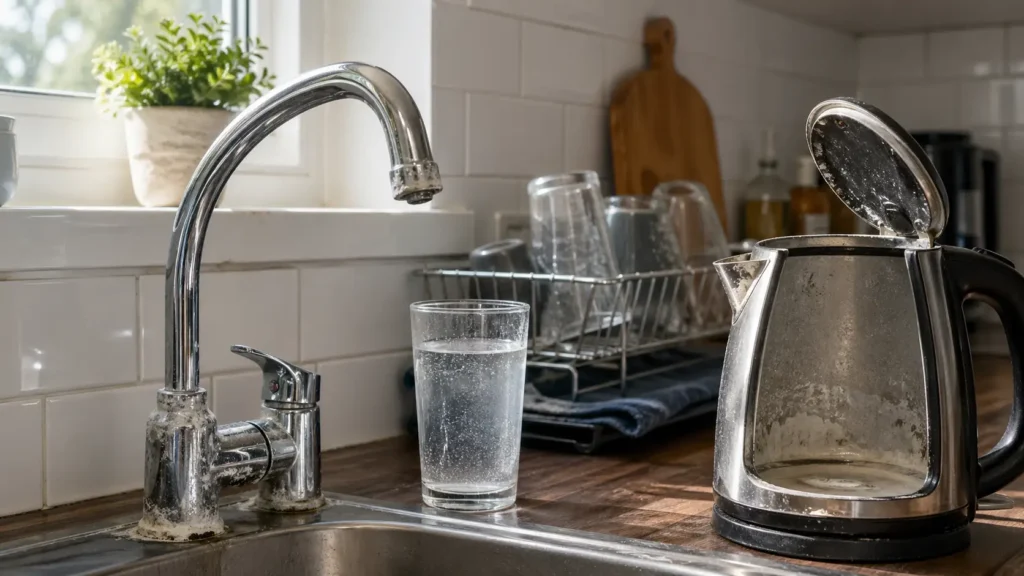
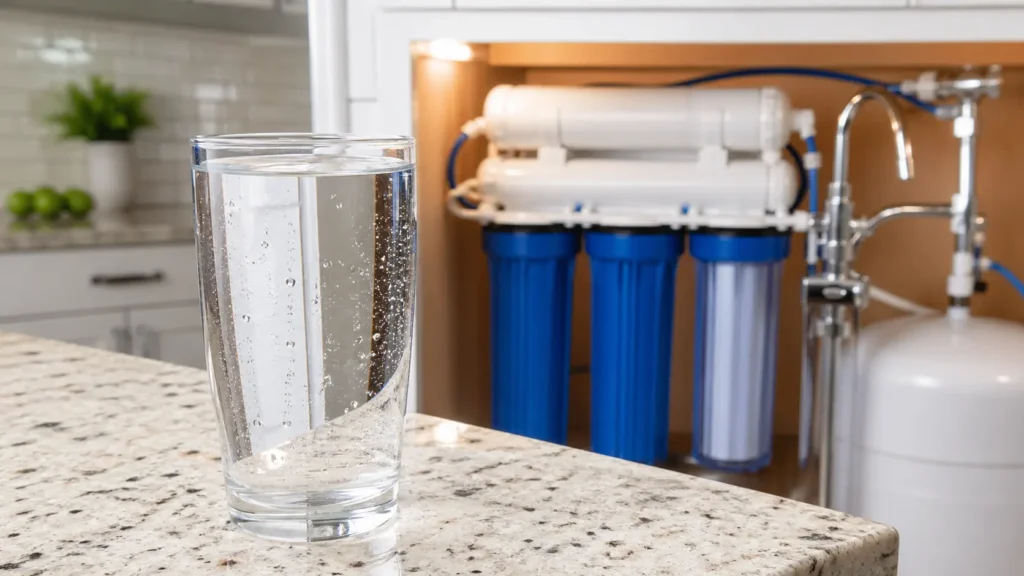
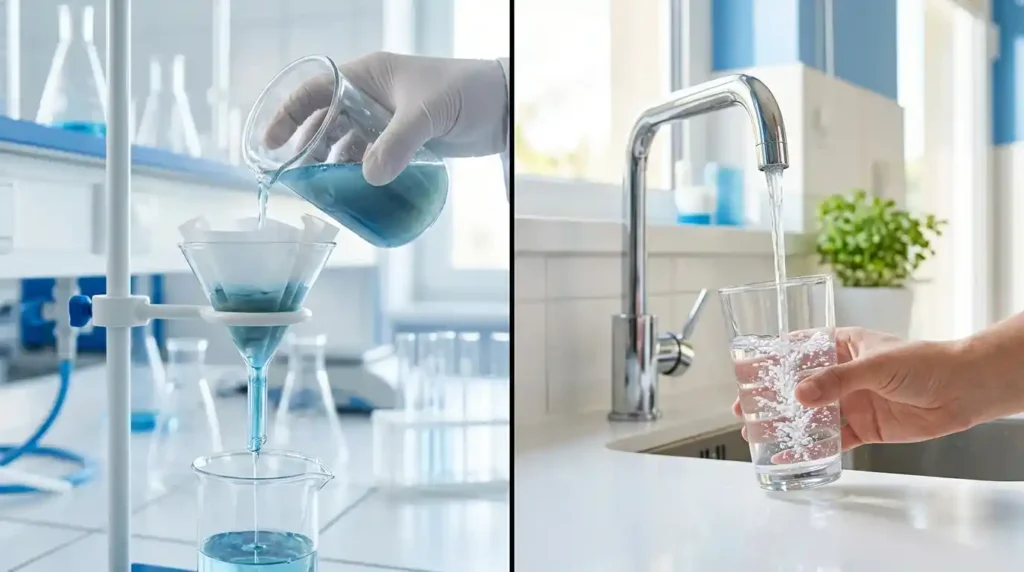
You’ve probably stared at a cloudy beaker or a glass of cloudy tap water and wondered if filtering really matters. It does. Filtering removes undissolved particles, so your results stay accurate, your equipment stays clean, and your water is safer to drink. That’s the short answer, and it’s what most people want when they search why is it necessary to filter the solution in the first place. I’ll walk you from the lab bench to your kitchen tap in plain English. You’ll learn how the filtration process works, what filters catch, and what they miss. I’ll also show you how to pick the right option, because no filter does everything. What Does It Mean to Filter a Solution? Filtering a solution means passing a liquid through a porous material, such as filter paper or a membrane, so undissolved solids stay behind while the liquid passes through. The liquid that passes through is the filtrate. The solids left on the filter are the residue. Here’s the part that trips people up. Filtering doesn’t remove dissolved solute. Stir salt into water and it disappears into a true solution. Pour that through filter paper, and the salt passes right through with the water. A filter only catches particles too big to fit through its pores. Solute, Solvent, and Suspended Particles A solution has two parts. The solvent does the dissolving, like water. The solute is what dissolves, like salt or sugar. Suspended particles never dissolve. They float around as insoluble impurities, like sand, rust flakes, or leftover powder. Picture a snow globe. The water looks clear until the flakes swirl. A filter acts like a net for those flakes. How the Filtration Process Works Every filter is a sieve with tiny holes. The hole size is the pore size, measured in microns (µm). Particles bigger than the pores stay on the filter. Smaller ones pass through. In a lab, gravity filtration lets liquid drip through paper in a funnel. Vacuum filtration pulls liquid through with suction, which is faster. A syringe filter or membrane filter handles small samples. Water systems use the same idea with cartridges. Why Is It Necessary to Filter the Solution? It’s necessary to filter the solution to remove undissolved solids, prevent severe analytical errors during titrations, protect delicate laboratory equipment like HPLC columns, and remove dangerous tap water contaminants. Removing suspended particles ensures precise chemical reaction stoichiometry and consistent, reproducible experimental measurements. 1. Titration Accuracy and Molarity Precision In analytical chemistry, undissolved particles skew stoichiometry. For instance, when analyzing calcium hydroxide (Ca(OH)2) in a neutralization reaction, leaving undissolved solid Ca(OH)2 inside your flask creates a major measurement error. As titrant enters the flask, the remaining solid slowly dissolves to re-establish chemical equilibrium. This causes you to add far more titrant than required, leading to an overestimation of titrant volume and incorrect molarity calculations. 2. Protecting Analytical Instruments and Columns In modern laboratories, high-performance liquid chromatography (HPLC) relies on high-pressure pumps forcing liquid samples through packed silica columns. Unfiltered samples introduced into an HPLC unit present severe risks: Column Clogging: Suspended matter blocks small pores inside the column packing material, causing rapid backpressure spikes. Baseline Noise & Ghost Peaks: Unfiltered micro-particles create light scattering in UV detectors, producing baseline noise and false signal peaks on chromatograms. Pump Seal Degradation: Abrasive particulate impurities wear down high-pressure pump seals, leading to costly instrument downtime. 3. Separation of Reaction Products During gravimetric analysis or synthetic chemical procedures, filtration isolates pure crystals from liquid byproducts. Pre-filtering starting solutions removes foreign contaminants so your final precipitate remains pure. What Is the Purpose of a Water Filter? The purpose of a water filter is to reduce unwanted substances in water, including particles, chlorine, certain chemicals, and some microbes, depending on the filter type. It improves safety, taste, and clarity. No single filter removes everything, so each filter’s job depends on what it’s built to catch. Think of filters as specialists, not superheroes. Each one targets a group of contaminants: Particles: sediment filters catch sand, rust, and silt. Taste and odor: activated carbon adsorbs chlorine and many organic chemicals. Health contaminants: certified carbon block and RO systems reduce substances such as lead, depending on their certification. Dissolved solids: reverse osmosis cuts TDS (total dissolved solids) and can reduce nitrates and arsenic. Benefits of a Water Filter Why are water filters important beyond a single glass? The benefits show up all over your home. Safer drinking water: a certified filter cuts specific contaminants at the tap. Better taste and smell: carbon removes chlorine, the usual culprit behind a “pool” taste. Protected appliances: sediment filters keep grit out of valves, heaters, and washers. Gentler showers: some people notice less skin and hair dryness after filtering chlorine. Less plastic waste: a home filter replaces many bottled water purchases. Lower cost over time: filtered tap water usually costs far less per gallon than bottled water. What Are the Limitations of Water Filtration? The main limitations of water filtration include the inability of physical media to trap dissolved gases, variable effectiveness against dissolved minerals, and potential bacterial growth if filters aren’t replaced regularly. No single filter element removes every pollutant, requiring multi-stage filtration setups for full purification. Understanding what basic filtration cannot do prevents a false sense of security: Simple Mechanical Filters Miss Dissolved Compounds: Standard mesh or sediment screens block floating debris, but dissolved salt, nitrates, and heavy metals pass straight through. Filter Media Saturation: Activated carbon filters absorb chemicals using surface attraction. Once the carbon media saturates, it stops absorbing contaminants and can release trapped pollutants back into your water. Biological Growth Risks: If a wet filter sits idle, trapped organic matter can become a breeding ground for bacteria. Routine maintenance and periodic cartridge replacement remain mandatory. Common Filtration Methods Compared Choosing the proper method depends on whether you’re working at a lab bench or setting up an under-sink purification unit. Filtration Method Target Application Key Advantages Primary Limitations Gravity Filtration Basic lab prep, simple tea/coffee brewing Requires no