Ro Water Filter System

Author name: Michael Carter

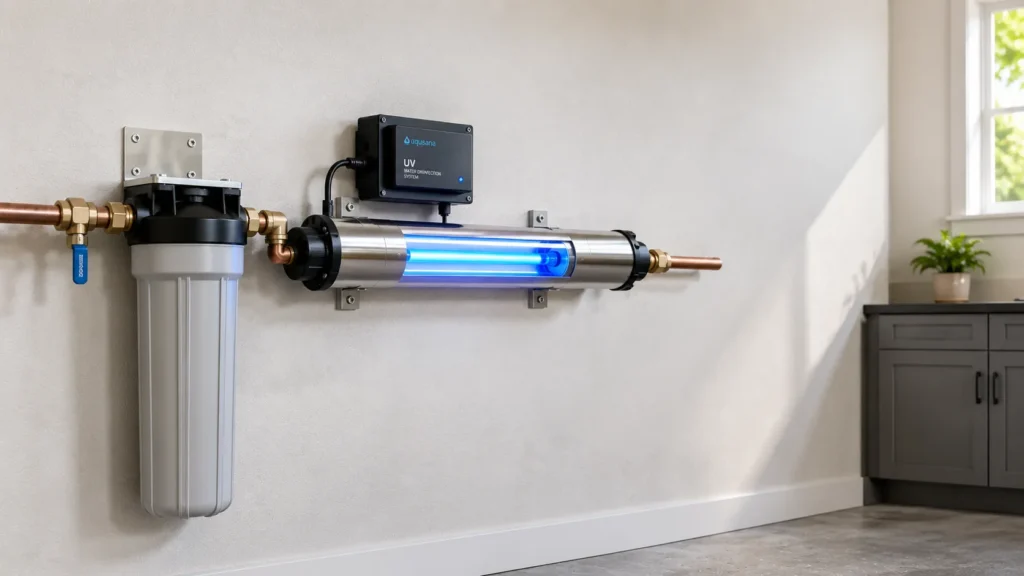
A whole house uv light water filter system mounted on a wall with a pre-filter housing and a glowing blue ultraviolet disinfection chamber.
Reverse Osmosis

Is a UV Light Water Filter Really Worth It? Here’s What No One Tells You

Water has an unfortunate reputation; those on private wells outside city limits know this all too well. And if you have been researching purification systems recently, you may have come across UV light filters and wondered whether they’re worth your while or just another thing someone’s trying to sell you. Here’s the straightforward answer: a UV light water filter is one of the most effective tools for killing bacteria and viruses in drinking water. But it’s not a standalone solution. And that distinction matters a lot, especially for Tracy-area homeowners dealing with hard water, sediment, and agricultural runoff. RO Water Filter System works with homeowners here every week, and this guide covers what actually matters before you decide. What a UV Light Water Filter Actually Does Let’s be clear about what this technology is and isn’t. A UV light water filter uses ultraviolet light at a wavelength of 254 nanometers to damage the DNA of microorganisms. When a pathogen’s DNA is scrambled, it can’t reproduce. It can’t make you sick. The process happens inside a stainless steel chamber as water flows past a UV lamp enclosed in a quartz sleeve. What UV actually eliminates: E. coli and total coliform bacteria Giardia and Cryptosporidium (chlorine-resistant parasites) Hepatitis A, norovirus, Legionella Virtually all waterborne pathogens at 99.99% effectiveness What UV does not remove: Sediment or turbidity Iron, manganese, or hardness minerals Chlorine, VOCs, or heavy metals Taste and odor issues This is the part competitors gloss over. A UV system is a disinfection tool, not a filtration system. If your water has iron, sediment, or chemical contamination, those issues need separate treatment upstream. Does UV Light Filter Water on Its Own? The honest answer is: partially. Does UV light filter water? It disinfects it. That’s not the same as filtering it. UV treatment kills living organisms but does nothing to remove dissolved solids, sediment, or chemical contaminants. Think of it as the last line of biological defense, not the whole system. A UV system added to untreated well water in that kind of environment won’t do what you’re hoping it will. You need sediment pre-filtration first. You may also need iron treatment. The UV stage comes last. When a UV Light Filter for Well Water Makes Sense You’re on a Private Well This is the strongest use case. Well water is not treated at a municipal plant. There’s no chlorination. No monitoring. If bacteria or viruses enter your well from surface runoff, flooding, or a cracked casing, they go straight into your home’s water supply. A UV light filter for well water gives you continuous, chemical-free disinfection without altering taste or adding byproducts. For families on well water in Tracy, Manteca, or rural San Joaquin County, this is not optional protection. It’s basic safety. Your Water Has Had a Positive Bacteria Test If a lab test has come back positive for total coliform or E. coli, UV is the right response. It’s fast, effective, and doesn’t involve adding chemicals that affect water chemistry. You Have an Immunocompromised Household Member Standard municipal treatment doesn’t always eliminate Cryptosporidium effectively. For households with elderly members, young children, or anyone with a compromised immune system, UV adds a meaningful layer of protection. How to Set Up a Whole House Water Filter with UV A whole house water filter with UV isn’t a single product. It’s a treatment sequence. Getting the order right matters more than the brand you buy. The Correct Treatment Order Step 1: Sediment Pre-Filter Remove particles, sand, and turbidity first. The UV lamp needs clear water to work. Cloudy water blocks the light from reaching pathogens. A 5-micron sediment filter before the UV chamber is non-negotiable. Step 2: Iron or Carbon Filter (if needed) If your water has iron above 0.3 ppm or a sulfur smell, install an iron filter here. Carbon filtration can also remove chlorine and VOCs at this stage. Step 3: UV Disinfection Chamber The UV stage goes last. By this point, water should be clear and free of competing contaminants. The UV lamp can then do its job properly. Step 4: Point-of-Use RO (Optional but Recommended) For drinking and cooking water, a Reverse Osmosis System for Homes paired with UV gives you the most complete protection available. The RO membrane handles dissolved solids, heavy metals, and nitrates that UV simply can’t touch. Many Tracy homeowners doing a full system upgrade start with a Water Filtration System Tracy CA consultation to get the right combination sized for their home’s flow rate and water chemistry. How to Change a UV Light Water Filter: What Maintenance Looks Like One of the biggest reasons people hesitate is maintenance. Let’s clear this up. How to change a UV light water filter lamp (annual replacement): Turn off the water supply to the UV chamber Unplug the power unit from the outlet Remove the end cap on the chamber and slide out the old lamp Inspect the quartz sleeve for mineral scale or deposits (clean with a vinegar-soaked cloth if needed) Insert the new UV lamp carefully without touching the glass surface (oils from your skin reduce effectiveness) Reinstall the end cap, restore power and water flow Reset the lamp timer on the controller unit The lamp itself typically lasts around 9,000 hours, which is about one year of continuous use. Even if it still produces visible light after that point, the UV output drops below effective disinfection levels. Replace it on schedule, not when it burns out visually. Cost for annual lamp replacement: roughly $60 to $150 depending on the system. That’s your total maintenance cost. UV vs. Reverse Osmosis: Do You Need Both? This question comes up constantly. Here’s the practical answer. Feature UV Filter Reverse Osmosis Kills bacteria/viruses Yes (99.99%) Partially (RO membrane blocks most) Removes sediment No Yes Removes chemicals/VOCs No Yes Removes heavy metals No Yes Removes nitrates No Yes Affects water taste No Yes (improves it) Requires electricity Yes No (most systems) Best for Disinfection Comprehensive purification The best
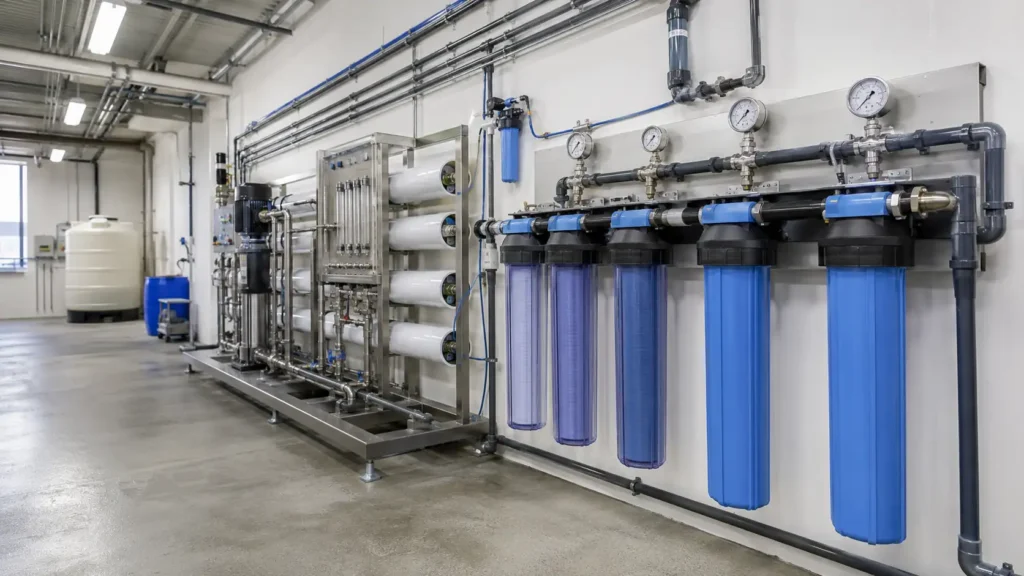
A complex industrial reverse osmosis unit and blue filtration canisters mounted in a facility, representing professional commercial water system repair and maintenance services.
Installation, Uncategorized

The Complete Guide to Commercial Water System Repair: What Every Business Owner Must Know

When your water system goes down, every hour counts. A restaurant can’t operate without clean water. A hotel can’t serve guests. A manufacturing line can stop cold when an industrial filter fails. Commercial water system repair isn’t something you can plan around the way you would a scheduled maintenance visit. If you manage a facility in Tracy, California, you already know the water here comes with its own set of challenges. The San Joaquin Delta source delivers water that’s high in dissolved minerals, and that means scale buildup, filter degradation, and system stress that most commercial equipment wasn’t designed to just absorb indefinitely. RO Water Filter System works with businesses across Tracy and the surrounding valley to keep these systems running. What Commercial Water System Repair Actually Covers People sometimes assume commercial water repair is just swapping out a filter. It’s not. A commercial water treatment system can include several connected components, and a failure in one part affects everything downstream. Here’s what typically falls under commercial repair and service: RO membrane replacement and pressure testing on commercial RO units Commercial water softener service, including resin bed inspection and brine tank cleaning Backflow preventer testing and repair (required by California code for most commercial buildings) Scale and sediment flushing on industrial lines Pre-filter and post-carbon filter replacement on multi-stage systems Pump pressure diagnostics on high-demand systems UV disinfection system checks common in healthcare and food service The honest truth is that most facility managers don’t know all these components exist until something fails. A smart maintenance schedule prevents that. Why Tracy’s Water Creates Extra Stress on Commercial Systems Tracy’s municipal water is treated and meets regulatory standards. But “meets standards” doesn’t mean it’s gentle on equipment. The water here regularly tests high in calcium and magnesium. That hardness causes scale to form inside pipes, membranes, valves, and heat exchange equipment over time. We’ve seen systems here that look fine from the outside but are running at 40 percent efficiency because nobody flushed the scale from the lines in three years. That’s not a repair call. That’s a rebuild. Common Water Quality Issues in Tracy Facilities Hard water scale building up inside boilers, dishwashers, and ice machines High TDS readings affecting taste and output quality in food and beverage operations Sediment from aging infrastructure clogging pre-filters faster than expected Chlorine fluctuations from municipal treatment degrading RO membranes prematurely A TDS meter reading above 300 ppm in your feed water is a signal worth paying attention to. Most commercial RO membranes are rated for specific TDS ranges. Push past those ranges without compensating, and you’re shortening membrane life significantly. Warning Signs Your Commercial Water System Needs Repair Don’t wait for a full failure. These are the signs that something is already going wrong: Drop in water output or pressure from an RO or filtration unit Change in taste, smell, or color of water at the tap or dispenser Unexplained increase in water bills (could indicate a slow leak or inefficient operation) Salt bridging in the brine tank of a water softener, which stops regeneration Unusual noises from pumps or pressure vessels Scale or white buildup appearing faster than usual on fixtures and equipment Alarms or indicator lights on smart commercial systems Backflow alarm triggering in facilities with cross-connection protection If your ice machine or espresso equipment is suddenly producing off-taste output, check the post-carbon filter first. That’s almost always the culprit in food service environments after six to twelve months of heavy use. Commercial Water System Repair vs. Replacement: How to Decide This is where a lot of businesses make costly mistakes. They either repair something that’s past its useful life, or they replace something that only needed a part swap. Here’s a practical breakdown: Repair Makes Sense When: The system is less than seven years old Failure is isolated to one component (membrane, valve, filter housing) The unit holds pressure properly under diagnostic testing Replacement parts are still available and affordable The system meets your current water demand Replacement Makes More Sense When: The system is more than ten years old and has had multiple failures Repair cost exceeds 50 percent of replacement cost Your facility has grown and water demand now exceeds system capacity Water quality has degraded even after repairs A 5-Stage Water Filtration System in Tracy, CA can handle the demands of most mid-sized commercial kitchens and office buildings. For larger industrial applications, a combined water system repair & upgrade approach, where the technician fixes the immediate issue and reconfigures for higher demand, often makes more financial sense than a full replacement. Industrial Water Filter Maintenance Services: What a Service Plan Should Include One thing that separates well-run commercial facilities from reactive ones is a documented maintenance schedule. Industrial water filter maintenance services aren’t just a nice-to-have. In food service, healthcare, and hospitality, they’re often tied to health code compliance. A solid service plan for a commercial facility in Tracy should include: Quarterly: Pre-filter replacement or inspection TDS and pressure readings logged Sanitization of filter housings where applicable Semi-Annually: Full system flush and performance test Post-carbon filter replacement Backflow preventer inspection Water softener salt and resin check Annually: RO membrane performance test and replacement if below threshold UV lamp replacement (if applicable) Full system audit with written report The written report matters more than most facility managers realize. It creates a maintenance history that protects you during health inspections, lease negotiations, and insurance reviews. Reverse Osmosis Repair: The Most Common Commercial RO Problems Commercial RO systems take a beating. High flow demand, continuous cycling, and neglected pre-filters all shorten the life of membranes and components. Here’s what breaks most often: Low Output Pressure Usually caused by a fouled membrane or a failing permeate pump. A pressure test can isolate the cause quickly. High TDS in Product Water If your TDS meter shows your filtered output is creeping up, the membrane is losing rejection efficiency. That’s a replacement call, not a repair. Constant Drain Flow When water keeps

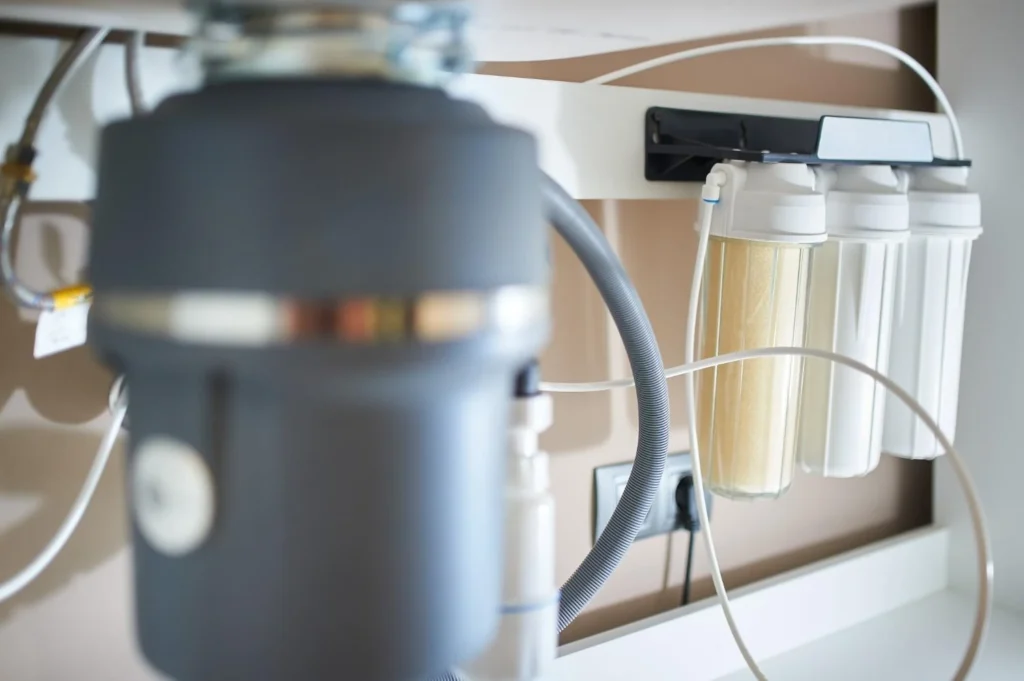
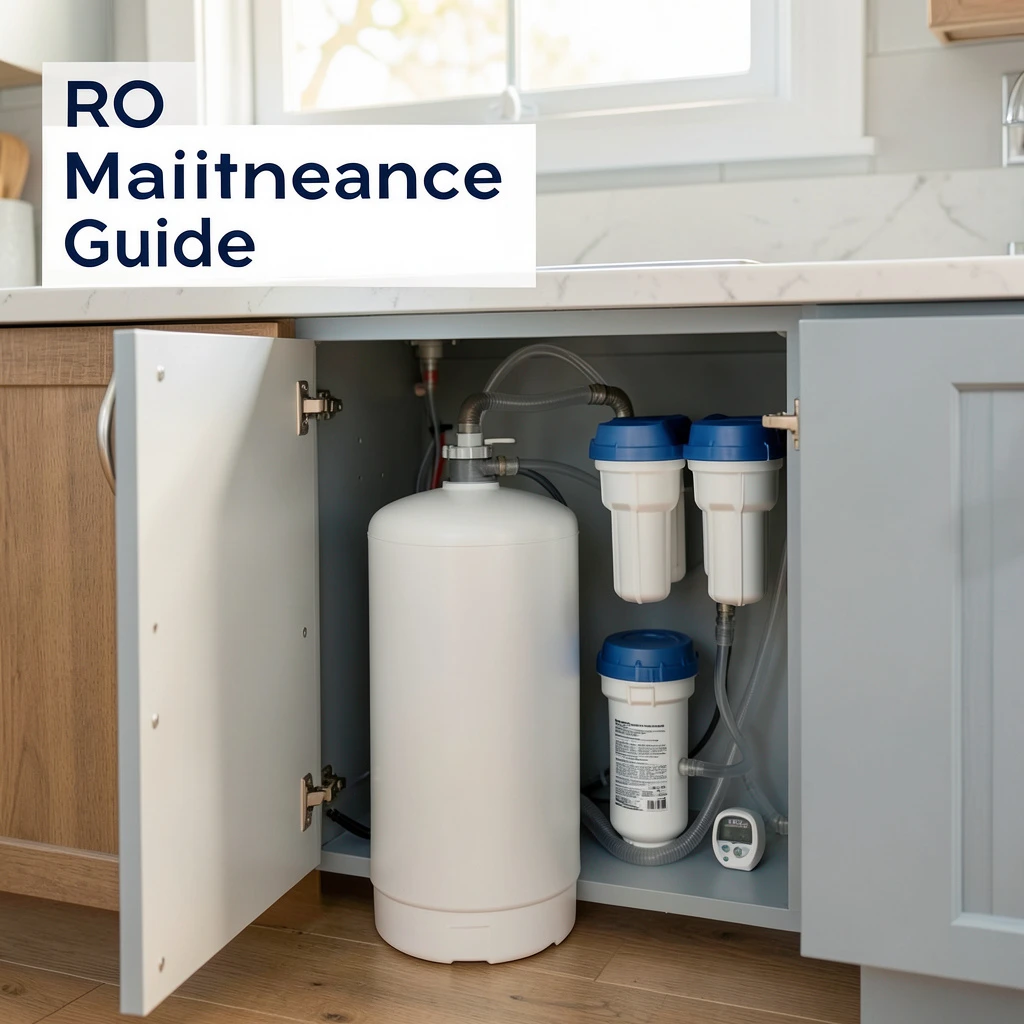
A 7-Stage Water Filtration System installed under a kitchen sink for a guide on how to maintain a reverse osmosis system.
Water Filter System

How to Maintain a Reverse Osmosis System for Long-Lasting Performance

Most homeowners in Tracy install a reverse osmosis system and forget about it. That works for a while. But eventually the water starts tasting flat, the flow slows to a trickle and the filters are running years past their service life. If you want clean, great-tasting water year after year, you need to know how to maintain a reverse osmosis system properly. RO Water Filter Sytem guide covers everything: filter schedules, membrane care, tank pressure, sanitization, and the signs that something’s wrong before it becomes expensive. Whether you’ve had your system for six months or six years, there’s something here you can use. Why RO Maintenance Actually Matters Tracy’s water comes from the San Joaquin Delta and local groundwater blends. It’s treated and safe to drink, but it carries dissolved minerals, chloramines, and sediment that wear down your filters faster than you’d expect. Consistent reverse osmosis system maintenance isn’t optional in this area.  Hard water is a real factor here. Tracy sits in a region with noticeably high mineral content. That mineral load stresses your pre-filters and can cause RO membrane fouling earlier than the manufacturer’s typical estimate. If you’re not on a consistent reverse osmosis maintenance schedule, you’re essentially running your system on borrowed time. How to Maintain a Reverse Osmosis System: The Core Schedule Pre-filters do the heavy lifting. They catch sediment, chlorine, and chloramines before water ever reaches the membrane. Post-carbon filters polish the taste at the final stage. Pre-Filter and Post-Filter Replacement Here’s a realistic RO filter maintenance schedule for Tracy-area homes: Sediment pre-filter: Every 6 to 12 months Carbon block pre-filter: Every 6 to 12 months Post-carbon filter: Every 12 months RO membrane: Every 2 to 3 years with good pre-filtration These timelines shift based on your water usage. A family of five will burn through pre-filters faster than a couple living alone. The honest truth is that most homeowners wait too long. Clogged pre-filters force your membrane to work harder, which shortens its lifespan significantly. RO Membrane Care The membrane is the most expensive part of your system. It’s also the part people neglect most. RO membrane fouling happens when minerals, biofilm, or organic matter build up on the membrane surface. You won’t always see it coming. But you’ll notice the symptoms: Slower flow from the RO tap TDS rejection rate dropping below 85 to 90 percent Water tasting different even with fresh filters Check your TDS rejection rate every few months with a basic TDS meter. Compare your tap water reading against the purified output. If rejection drops significantly, the membrane may need replacement or the system needs full sanitization. System Sanitization: The Step Most People Skip Sanitizing your RO system is not the same as replacing filters. Filters catch contaminants. Sanitization cleans the internal surfaces, tanks, and tubing where biofilm and bacteria can slowly build up over time. When to Sanitize Once a year as standard ro water filter maintenance Any time the system sits unused for more than two weeks After a boil-water advisory or water main break When you notice an off-taste that new filters don’t fix How to Do a Basic RO System Sanitization This is manageable as a DIY job if you’re comfortable working under your sink. Turn off the feed water valve and let the storage tank drain completely. Remove all filters and the membrane. Set the membrane aside carefully. Add food-grade hydrogen peroxide (about half a cup for most standard systems) to the first filter housing. Reassemble the housings without filters and run water through the system until the tank fills. Let it sit for 30 minutes, then drain the tank fully. Reinstall fresh filters and the membrane, refill the tank, and discard the first two full tanks before drinking. If you’re not comfortable doing this yourself, it’s worth having a pro handle it during your annual filter swap. Checking Tank Air Pressure: The Overlooked Variable Your RO storage tank uses air pressure to push water to the faucet. Most tanks are pre-charged to around 7 to 8 PSI at the factory. Over time, that pressure drops. When it does, flow gets weak even with a fresh membrane and clean filters. How to Check and Adjust PSI Make sure the tank is empty before checking (a full tank gives a false reading). Use a standard tire gauge on the Schrader valve on the side or bottom of the tank. If pressure is below 6 PSI, add air with a bicycle pump until it reads 7 to 8 PSI. Never check pressure with water in the tank or the reading will be inaccurate. This one step fixes a lot of “slow water” complaints. We’ve seen homeowners replace their entire system when all they needed was to top off the tank pressure. Signs Your RO System Needs Attention Now Don’t wait for a full failure. These are the early warning signs that your reverse osmosis filtration system needs attention: Slow flow from the RO tap (tank pressure or clogged pre-filters) Water tastes like chlorine (exhausted post-carbon filter) Water tastes flat or slightly off (membrane degradation or biofilm in the tank) Constant draining sound (membrane may be failing, causing continuous drain flow) TDS rejection below 85 percent (time to test and likely replace the membrane) The constant drain issue is worth catching early. A damaged membrane can’t hold back pressure, so the system keeps trying to purify water and continuously sends it to drain. That wastes water and accelerates wear on every other component. RO Maintenance for First-Time System Owners If you just bought your first system, here’s what to focus on in year one. Set a reminder now for filter changes at six months. Don’t rely on memory. Pull out the filters and look at them. A dark brown sediment filter at six months tells you a lot about your local water quality and helps you dial in your future schedule. Keep the original filter housing wrench somewhere accessible. Losing it means struggling with stuck housings later.

Household water filtration system installed under kitchen sink for clean drinking water
Blog, Water Filter System

10 Best Household Water Filtration Systems for Clean & Safe Drinking Water (2026 Guide)

Clean water should be readily accessible. But too often, families turn on their taps with fear, as chlorine taste, sediment buildup, and other hidden contaminants can compromise. Poor water quality can also impact cooking, bathing, and even skin and hair health. Many homes now include a household water filtration system to safeguard family health, such as the Rowater Filter System easy, dependable solution for modern filtration needs. A good system should remove chlorine sediment while improving taste, while filtering out potentially hazardous contaminants before reaching glassware – brands like these make filtering simple. Why More Homes Are Installing Water Filtration Systems Tap water goes through treatment plants. That helps remove many contaminants. Yet the water can still pick up impurities as it moves through pipes and local infrastructure. Many homes face issues such as: A water filtration improves water safety and taste before the water reaches sinks, showers, and appliances. Families choose filtration for several reasons: These benefits explain why demand for home water filtration systems continues to grow in both houses and apartments. How Water Filtration Systems Work Most home water filtration systems use several layers of filtration to clean water. Each stage targets different contaminants. Sediment Filtration A sediment water filter captures sand, rust, and debris. This is usually the first stage in many systems. It protects the rest of the filters and keeps particles from reaching faucets. Activated Carbon Filtration An activated carbon filter removes chlorine, odors, and many organic chemicals. It improves taste and smell while reducing harmful contaminants. Reverse Osmosis Reverse Osmosis Water Systems use pressure and pressure differential to filter water through a fine membrane, filtering out solids, heavy metals and chemicals from drinking water sources. They’re especially popular in kitchens as they produce very pure drinking water for cooking or consumption purposes. Whole House Treatment Whole house water filter treats water at its source as soon as it enters a home’s pipes, providing every faucet with a water purification system, providing added protection to showers, appliances and pipes while improving overall water quality throughout a residence. 10 Best Household Water Filtration Systems in 2026 Below are the top filtration systems that homeowners trust for performance, durability, and water safety. 1. Whole House Carbon Filtration System This system filters water as it enters the home. It uses large carbon tanks to remove chlorine, sediment, and chemical odors. Best for: Key benefits: 2. Reverse Osmosis Under Sink System A reverse osmosis system is one of the most effective drinking water filters available. It removes: Many homeowners perform bold reverse osmosis filter replacement every 6 to 12 months to maintain performance. This system is ideal for kitchens where drinking water purity matters most. 3. Salt Free Whole House Water Conditioner Hard water often results in mineral scale accumulation within pipes and appliances, but salt free conditioners offer an eco-friendly way to combat mineral scale without adding sodium to the drinking supply. They are particularly suitable for homes seeking cleaner drinking water without chemical softeners. 4. Multi Stage Water Purification System These systems combine several filters in one unit: This layered design improves water quality while maintaining good water pressure. 5. Compact Apartment Water Filter System Urban apartment residents often have limited space. Compact systems connect directly to the kitchen water line and are easy to install. They provide clean drinking water without large tanks. 6. UV Water Purification System UV systems destroy bacteria and viruses using ultraviolet light. They are common in rural homes where private wells may contain microbes. This type of water purification whole house solution is often paired with sediment and carbon filters. 7. Sediment and Carbon Dual Filter System A two stage system removes particles and chlorine using a simple design. Benefits include: Many homeowners perform regular ro filter replacement in similar multi-stage drinking systems. 8. High Capacity Whole House Water Filter Large households need strong filtration with high flow. These systems handle multiple bathrooms while keeping water pressure steady.They provide consistent filtered water across the entire home. 9. Smart Monitoring Filtration System Modern filtration systems now include sensors that track: This helps homeowners know when to perform reverse osmosis filter replacement or general maintenance. 10. Eco Friendly Gravity Water Filter System Gravity filters require no electricity. They are popular with eco conscious consumers who want free water filtration using natural flow. These units are also useful during power outages. How to Choose the Right Household Water Filtration System Not every home needs the same solution. Choosing the best household water filtration depends on several factors. 1. Test Your Water Start with a water test. This shows whether your water contains: Water experts recommend testing before choosing a system. 2. Decide Between Point of Use or Whole House Point of use filters treat water at one faucet. Whole house systems filter water before it enters the home. A water purification whole house system protects showers, laundry, and appliances. 3. Check Installation Needs Many systems are easy to install with basic plumbing. Others require professional installation depending on the home’s water line setup. 4. Consider Maintenance Filters must be replaced regularly. Common maintenance includes: Ignoring maintenance reduces filtration performance. Whole House vs Reverse Osmosis Systems Many homeowners ask whether they should choose a whole house filter or reverse osmosis. Both serve different purposes. Whole house systems: Reverse osmosis systems: Many homes combine both systems to create a full home water filtration system. If you want to explore a full Water Filtration System, resources such as Whole House Water Softener For Hard Water explain how complete treatment systems work together. Health Benefits of Filtered Water Clean water impacts more than drinking. A well-designed household filter supports better health in several ways. Better Skin and Hair Chlorine can dry skin and hair. Carbon filtration reduces chlorine exposure during showers. Safer Drinking Water Filtration removes heavy metals and chemical contaminants that may harm health. Reduced Plastic Waste Filtered tap water helps families avoid bottled water. Protection for Sensitive Groups Children, seniors and people living with

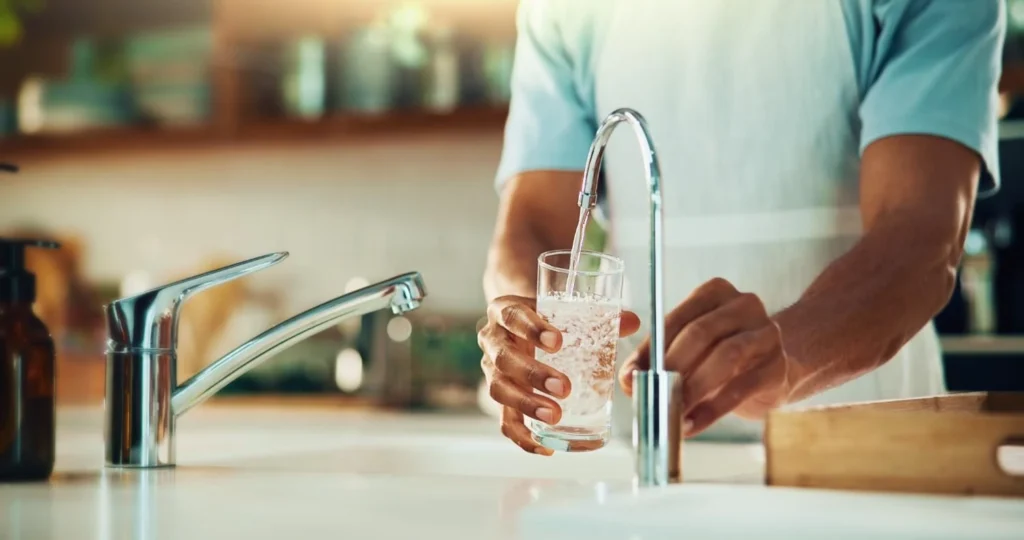
Person filling a glass with clean tap water in a kitchen after installing a whole house water softener for hard water
Blog

Whole House Water Softener for Hard Water: The Complete Homeowner’s Guide

Hard water affects more than 85% of U.S. households, yet most homeowners don’t realize the damage accumulating inside their pipes until it’s expensive. A whole house water softener for hard water treats every drop at the point of entry, before it reaches a single tap, appliance, or showerhead. This guide cuts through the marketing noise. You’ll find a comparison table, a sizing walkthrough, a straight answer on salt-based vs. salt-free, and everything else you need to make the right call for your home. Top whole house water softeners at a glance Before diving into the details, here’s how the most-recommended systems compare: System Grain capacity Best for Price range Standout feature Fleck 5600SXT 48,000 gr 3–5 person households $600–$900 Digital metered regeneration, high salt efficiency GE GXSH40V 40,200 gr 2–4 person households $450–$650 Smart Soft technology, compact brine tank Springwell SS1 32,000–80,000 gr All household sizes $800–$1,400 Bluetooth app control, lifetime warranty Pentair WS48-56sxt10 48,000 gr Well water / high hardness homes $700–$1,100 High flow rate, iron reduction Understanding Hard Water in Homes Hard water contains minerals like calcium and magnesium from underground rock layers; this mineral composition makes hard water common across many regions with city or well city water supplies. As water passes through pipes and appliances, minerals form deposits which eventually lead to scale formation in plumbing and equipment. Common signs of hard water include: These issues lead many homeowners to ask how do you fix hard water in a permanent way. Fixed it, permanently installed a water filter with an experienced hand like the RO Water Filter System The most reliable solution is a whole house water softener for hard water, which treats water before it reaches any tap in the home. How a Whole House Water Softener Actually Works Most residential systems use a process called ion exchange. Inside a resin tank, thousands of tiny beads carry sodium ions. As hard water flows through, the beads grab calcium and magnesium ions and swap them for sodium, removing the hardness before water ever reaches your plumbing. Here’s how it works: Once the resin beads become full of hardness minerals, the system regenerates. During regeneration: The result: every tap, shower, appliance, and pipe in the home receives consistently softened water, not just the one faucet with a filter attached. Benefits of Installing a Home Water Softener System A well-sized system improves daily life in many ways. 1. Protects Plumbing and Appliances Hard minerals in water gradually cause problems to water heaters, dishwashers and washing machines. Softened water helps prevent scale build-up which in turn means: For homeowners planning long-term hard water treatment for entire home, this protection is often the biggest benefit. 2. Improves Skin and Hair Comfort Families suffering from dry skin or brittle hair often see significant relief after installing a whole-house water softener. Softened water allows soap to rinse clean instead of leaving mineral deposits behind and many homeowners report experiencing an improvement after their whole house softener has been installed. Many homeowners report that: These improvements are common in homes where water contains high mineral levels. 3. Better Cleaning Efficiency Hard water diminishes the effectiveness of cleaning products, decreasing their efficacy. With soft water: Many households notice their tasting water and overall water feels better once hardness minerals are removed. 4. Protects Fixtures and Surfaces Mineral deposits often stain sinks, tubs and glass surfaces in bathrooms and kitchens. Soft water reduces these deposits to make bathrooms and kitchens cleaner with reduced effort required to maintain cleanliness, leading homeowners to incorporate water softening systems as part of their maintenance plans. As such, new homeowners frequently include water softening systems in their plans. Salt-based vs. Salt-free: Which is Better For Hard Water? Salt-based ion exchange softener Actually removes calcium and magnesium Produces true soft water Works at any hardness level Extends appliance and pipe lifespan Proven technology, 50+ years of use Requires: salt refills every 4–6 weeks, annual maintenance, drain connection Salt-free water conditioner Changes mineral structure, doesn’t remove them Reduces scale formation modestly No salt, no drain, no electricity Low maintenance Good for areas restricting sodium discharge Limitation: ineffective above 10 GPG; doesn’t soften water for skin/hair The marketing around salt-free conditioners has outpaced the evidence. Independent testing consistently shows that at hardness levels above 7–10 GPG, a salt-free system does not prevent scale in water heaters or protect appliances the way a true ion exchange water softener does. For most homeowners dealing with hard water damage, a salt-based system is the appropriate solution. Buying Guide: How To Size and Choose The Right System Test your water hardness first Don’t guess. A $10 test strip or free municipal water report tells you your GPG. This single number drives every sizing decision that follows. Calculate the grain capacity you need Multiply: (number of people × 75 gallons/day × water hardness in GPG). A family of four with 12 GPG hardness needs about 3,600 grains treated daily, so a 32,000-grain system regenerating every 9 days is adequate. Most homes buy larger than this formula suggests, which wastes salt; most homes need a 32,000 to 48,000 grain unit. Check the flow rate (GPM) A 1-inch main line typically flows at 10–12 gallons per minute (GPM). If your softener’s rated flow is lower than your home’s demand, you’ll notice pressure drops during heavy-use moments. Always check the manufacturer’s peak flow spec, not just the average. Decide between salt-based and salt-free See the full comparison below. For hardness above 7 GPG, salt-based almost always wins on actual softening performance. Plan the installation point The softener must go on the cold water main, before the water heater. Most require a drain connection for brine discharge and an electrical outlet for the control valve. Budget at least 3–4 square feet of floor space. Many homeowners combine a softener with a Water Filtration System to improve overall water quality and remove chlorine or sediment. How to Set Water Softener Hardness Cloudy tap water caused by high mineral content before adjusting the water

Scroll to Top