Ro Water Filter System

Water Filter System

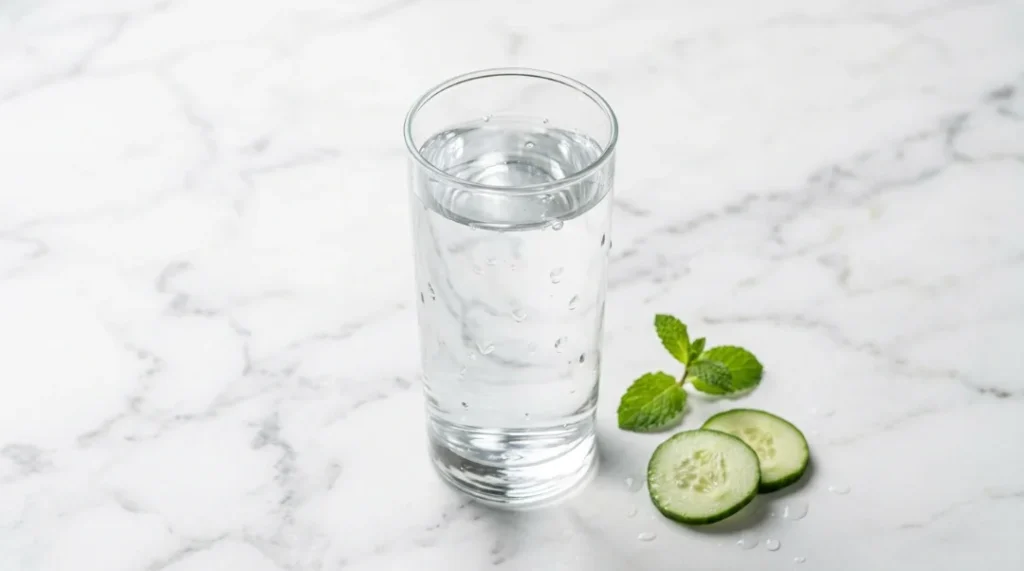
A clear glass of water with cucumber and mint, illustrating the question of what does water taste like when infused with minerals or fresh ingredients.
Water Filter System

What Does Water Taste Like? A Simple Guide to Clean, Fresh Flavor

Most people have never stopped to ask what water is actually supposed to taste like. They just drink it. Then one day it tastes off, and the questions start. Is this normal? Is something wrong with my pipes? Is this water even safe? If you live in Tracy, or anywhere in the CA, you have probably noticed that tap water does not always taste the same. Sometimes it is fine. Other times it tastes like it came from a swimming pool. Understanding what does water taste like, and why that changes, can tell you a lot about what is actually in your glass. At RO Water Filter System, we help homeowners figure out exactly that. Does Water Actually Have a Taste? Scientifically speaking, pure water should have no flavor of its own, without color, odor or taste, yet water from taps or plastic bottles rarely fulfills this standard of purity. The water molecule itself is not what you taste when you drink it. Everything has been dissolved in it. Your taste senses may pick up traces left by minerals, treatment chemicals, pipe materials, and even the container it passed through. A few of those residues have a pleasant flavor. Some people don’t. Researchers who study the organoleptic properties of water, meaning how it looks, smells, and tastes, confirm that even small differences in mineral content can produce a noticeably different drinking experience. A water sommelier, yes that is a real profession, can identify a water source just by tasting it. What Should Clean, Fresh Water Taste Like? The profile of good drinking water is clean, light, and somewhat neutral. It should be odorless, have a smooth mouthfeel, and leave no aftertaste. What makes water taste good: A balanced pH level, usually between 7.0 and 8.5 Low TDS (Total Dissolved Solids), ideally between 50 and 300 mg/L Appropriate levels of calcium and magnesium, which add a natural, soft mineral quality No chlorine odor or aftertaste Good dissolved oxygen levels, which give water that “fresh” sensation The goal is not zero minerals. Completely stripped water, like distilled water, actually tastes flat and slightly hollow to most people. A small amount of natural mineral content gives drinking water its refreshing mouthfeel. Why Does Tap Water Taste Bad? This is one of the most frequently asked water questions by homeowners and can depend on exactly which “bad” behavior you describe. It Tastes Like Chlorine or a Swimming Pool Municipal tap water is treated with chlorine or chloramine to kill bacteria and other pathogens before it reaches your home. That is a good thing from a safety standpoint, but it leaves behind a chemical smell and taste. In Tracy and surrounding areas, levels of chlorine in treated municipal water can be noticeable, especially in summer when treatment is increased. It Tastes Metallic or Bitter One of the most concerning tastes is a metallic tang, which often indicates a problem in your pipes. As water passes through older plumbing, copper, iron, or zinc may seep into the water. The first pull of the day may taste metallic and harsh if your house contains copper or galvanized steel pipes, particularly if the water has been in them overnight. This is also a sign to check whether your home has lead pipes or lead solder joints. Old properties built before 1986 sometimes do. If you are concerned, it is worth reading more about what contaminants a filter can handle, including whether reverse osmosis removes lead from your drinking water. It Tastes Salty or Heavy What does water taste like with an unusual salty, slightly bitter, or heavy mouthfeel often contains high Total Dissolved Solids concentration (TDS). This phenomenon is prevalent in hard groundwater where minerals such as calcium, magnesium, sodium and sulfates naturally exist, although hard water itself does not always present potential health hazards; high concentrations may alter its flavor significantly. It Smells Like Eggs or Sulfur If your water has a sulfur smell, you likely have hydrogen sulfide present, which is common in well water or groundwater sources. Even treated municipal water can pick up a faint sulfur note if the source aquifer has high sulfur content. The smell is usually worse when the water is warm. It Tastes Sweet or Has No Real Taste High mineral content, particularly calcium concentrations above the usual range, might cause faintly pleasant water. Because the harshness of chemicals and minerals has been eliminated, some individuals perceive soft water or reverse osmosis filtered water as rather sweet. In other situations, a sweet taste may be a sign of organic matter contamination, thus it’s important to be aware of it. What Does Distilled Water Taste Like? You may have noticed that distilled water tastes rather flat if you’ve ever tried it. This is due to the fact that almost everything is eliminated during distillation, including the minerals that give water its pleasant, neutral quality. What distilled water tastes like: Flat and slightly empty No aftertaste Can feel thin or hollow Some people find it unpleasant to drink regularly This is why most water filtration systems, including reverse osmosis systems, include a remineralization stage. Removing contaminants is the goal, but you still want the water to taste natural and balanced. A good Water Filtration System removes what is harmful while keeping or restoring what makes water taste clean and refreshing. Hard Water vs. Soft Water: What Is the Difference in Taste? Hard water is rich in dissolved calcium and magnesium. It is extremely common in Tracy, CA and throughout the Central Valley because the water comes from mineral-rich groundwater sources. Water Type Taste Profile Common Source Hard water Slightly chalky, heavy, or bitter Groundwater, wells Soft water Lighter, sometimes slightly salty Treated municipal water Spring water Balanced, slightly mineral Natural aquifer Filtered RO water Clean, neutral, light Treated tap water Distilled water Flat, hollow Steam distilled Hard water is not necessarily dangerous, but it can make water taste unpleasant. It also leaves scale buildup in kettles, appliances, and pipes over time.

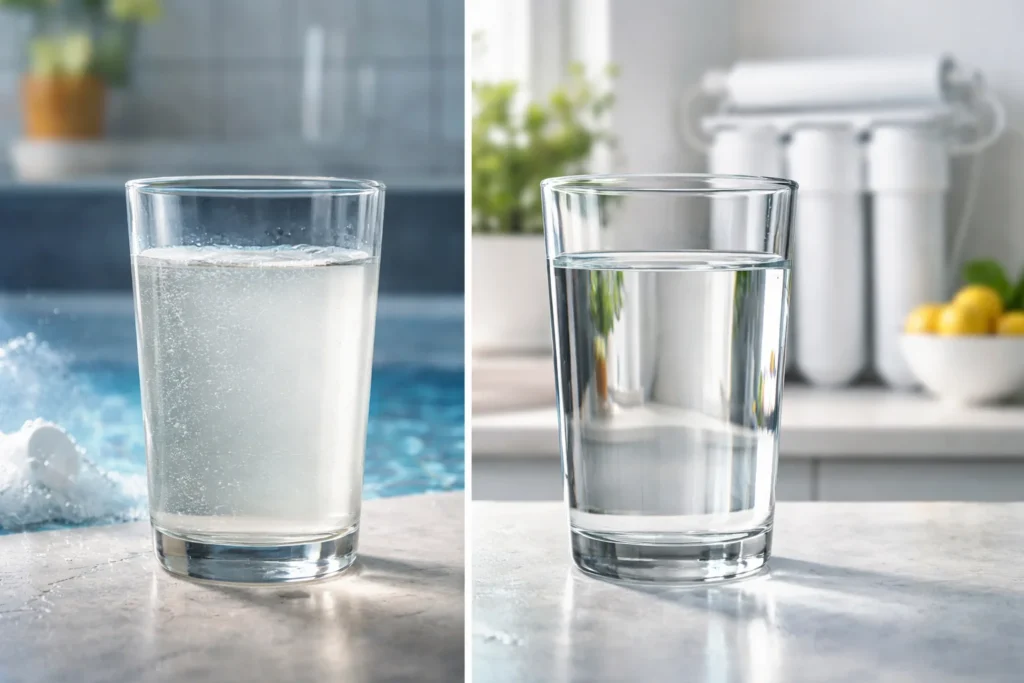
How to remove chlorine from tap water comparison showing cloudy vs clear filtered drinking water
Water Filter System

How to Remove Chlorine from Tap Water (Without Boiling or Buying Bottled)

If your tap water smells or tastes like a pool. Municipal water suppliers use chlorine to kill bacteria and stop waterborne diseases, but it can make your drinking water taste and smell bad. This is a prevalent concern for homeowners in Tracy, CA, especially families who want clean, chemical-free water at home.  At RO Water Filter System, we understand how frustrating it is to deal with chlorine in tap water. In this guide, we’ll explore practical, safe, and effective ways how to remove chlorine from tap water, giving you clear options for better-tasting, healthier water for you and your family. Unlike many generic guides online, we focus on real solutions that work in everyday home settings. Why Chlorine is in Your Tap Water Adding chlorine to public water supplies kills bacteria and lowers the risk of getting sick from drinking water. The amount of chlorine in tap water is measured in milligrams per liter (mg/L), and it is safe to consume. But high levels can make the taste and smell very overpowering, especially when you drink or cook with water.  Excess chlorine can also lead to the formation of disinfection byproducts, which, while regulated, may affect taste and odor. Homeowners often notice this more when water is used directly from the tap without filtration. Understanding why chlorine is present helps homeowners choose the right removal method, rather than just masking the taste or smell temporarily. 5 Practical Ways to Remove Chlorine from Tap Water 1. Activated Carbon Filtration How it works: Carbon filters do a great job of getting rid of chlorine. Activated charcoal absorbs chlorine molecules when water runs through it, making it taste and smell better. Practical application: Use a countertop carbon filter pitcher for small quantities. Install an under-sink carbon filter for more consistent results. Effectiveness: Works immediately, does not remove fluoride. For families looking for long-term solutions, the 7-Stage Water Filtration System from RO Water Filter System can combine carbon filtration with reverse osmosis for comprehensive purification. 2. Boiling Water How it works: Boiling water causes chlorine or chloramine to evaporate. Boil water for 15–20 minutes and allow it to cool before use. Effectiveness: Works well for small batches of water. Will not remove fluoride. Boiling is a good way to cook or make drinks, but it might not be the best way to get drinking water every day. 3. Using Vitamin C How it works: Vitamin C neutralizes chlorine through a chemical reaction, converting it into harmless compounds. Practical application: Add a small amount of vitamin C powder to water. Use vitamin C-based filter cartridges for larger volumes. Effectiveness: This procedure is safe, quick, and works especially well for getting rid of chlorine in fish tanks or drinking water for people who are sensitive to it. 4. Reverse Osmosis Filtration How it works: Reverse osmosis (RO) systems push water through a membrane that only lets some things through. This gets rid of chlorine, dissolved solids, and other pollutants. Key considerations: Will reverse osmosis remove chlorine? Yes, if paired with a pre-carbon filter. Standard RO membranes alone do not remove chlorine efficiently. pH impact: RO water is slightly acidic; the typical pH of reverse osmosis drinking water ranges from 5.5 to 7.0. RO systems are ideal for homeowners in Tracy, CA, who want consistent, chemical-free Drinking Water Filtration without daily manual intervention. 5. Aeration How it works: Simply exposing water to air allows chlorine to dissipate naturally. Practical application: Fill a container and let water sit uncovered for 24 hours. Stirring water speeds up the process. Effectiveness: Works best with municipal water that has free chlorine, but not with water that has chloramine, which is more stable. Choosing the Right Solution for Your Home When deciding how to dechlorinate tap water, consider these factors: Family size and daily usage: Small-scale solutions like pitchers work well for one person or a couple. Whole-house systems are best for families with many members. Water source: Find out if your city’s water uses chlorine or chloramine; some procedures work better with one than the other. Additional contaminants: If your water has fluoride, sediment, or other chemicals in it, you may need to use both carbon filtering and RO. Maintenance: Carbon filters need to be replaced every so often, while RO systems need to have their membranes and pre- and post-filters serviced once a year. For homeowners who want the most comprehensive solution with minimal daily effort, installing a professionally maintained read our How to Make Tap Water Taste Better ensures chlorine, sediment, and other contaminants are removed effectively. Signs Your Tap Water May Have Too Much Chlorine Look for these indicators in your home: Strong chemical taste or odor in water Cloudy appearance after boiling Dry skin or hair after frequent washing Sensitive family members experiencing mild irritation Testing water for chlorine levels using at-home kits can help confirm whether filtration or treatment is necessary. Common Mistakes Homeowners Make Assuming boiling removes all chemicals (does not remove fluoride) Using RO systems without pre-carbon filters for chlorine removal Neglecting filter replacement schedules Ignoring local water reports that indicate chlorine or chloramine levels Conclusion Chlorine may be present in how to remove chlorine from tap water? But that doesn’t have to dictate your consumption habits. Homeowners in Tracy, CA, can benefit from several options for getting clean, great tasting water that won’t contain chlorine, these range from basic methods such as boiling and aeration through reverse osmosis to carbon filtering, with each approach having both advantages and drawbacks that should help make smart decisions. At RO Water Filter System, we assist homeowners in creating effective chlorine removal systems to make for safe drinking water every day. Reach out to us and discover which system best meets the needs and lifestyle requirements of your home and lifestyle for safe, refreshing drinking water every time! FAQs How long does it take for chlorine to evaporate from tap water naturally? It typically takes 24 hours for free chlorine to dissipate if water is left in

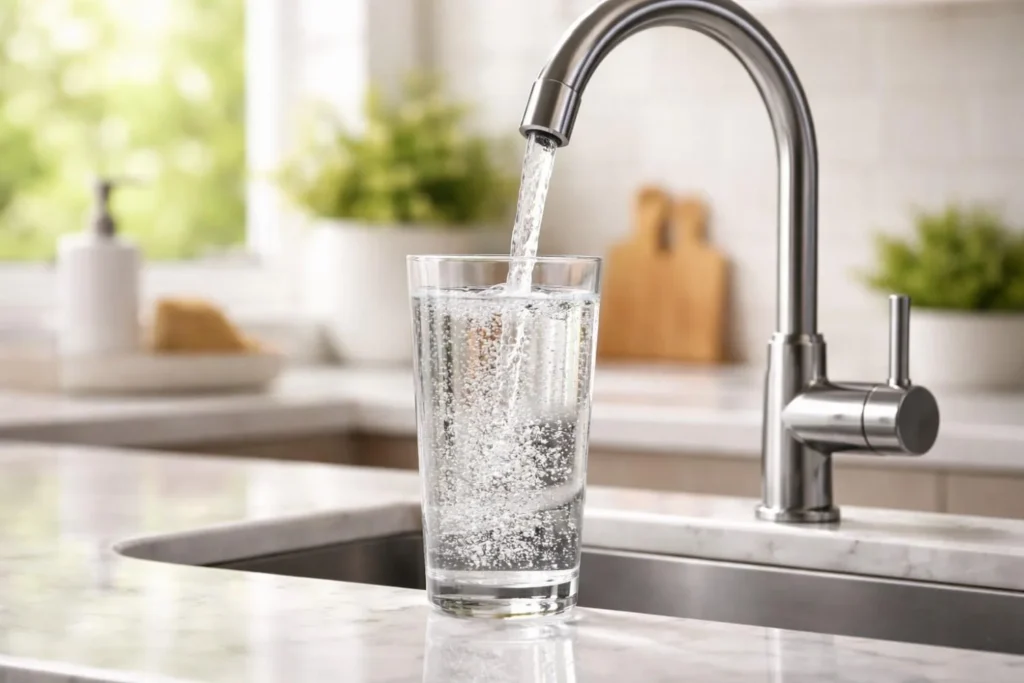
A clear glass being filled with fresh water from a modern kitchen faucet, illustrating how to make tap water taste better.
Water Filter System

How to Make Tap Water Taste Better: 8 Effective Methods to Improve Water Quality

The good news is that knowing how to make tap water taste better does not require a chemistry degree or a big budget. Some fixes cost nothing. Others are a one-time investment that pays off for years. This guide walks you through eight real methods, explains why each one works, and helps you figure out which solution fits your home and your situation. If you turn on the faucet and are horrified by what comes out, you are being told something true. Something in your water supply is the reason why your tap water tastes flat and odd, smells like a swimming pool, or has a metallic flavor. Additionally, if you reside in Tracy, California, you are well aware that the water there isn’t the greatest in the state. It originates from a combination of local groundwater wells, transporting minerals, agricultural runoff residue, and disinfection chemicals that all have an impact on the daily flavor of your water. How to Make Tap Water Taste Better for Bad Taste in the First Place? Before jumping to solutions, it helps to understand what is actually causing the bad taste. Different problems call for different fixes. Chlorine or chemical taste: City water is treated with chlorine or chloramine to kill bacteria. This is necessary, but it leaves behind a noticeable chemical flavor, especially in warmer weather when treatment levels rise. Metallic taste: A water taste like metal usually points to iron, manganese, zinc, or copper in your water. This can come from your water source or from aging pipes in your home. In older California homes, corroded pipes are a frequent and overlooked cause. Rotten egg smell or taste: This comes from hydrogen sulfide gas, which forms naturally in groundwater. It is harmless in small amounts but completely unpleasant to drink. Earthy or musty flavor: Organic matter such as algae or sediment can give water a stale, swampy quality. This is more common with surface water sources like the Delta and Aqueduct systems that serve parts of the San Joaquin Valley. Flat or “empty” taste: Heavily treated water or water that has been sitting in pipes can taste lifeless. This is not a safety issue, but it makes drinking enough water much harder. Once you know what is behind the bad taste, you can choose a method that actually solves the right problem. 8 Effective Methods to Make Tap Water Taste Better 1. Chill Your Water Before Drinking Cold water always tastes better than warm water. Temperature makes it harder for you to taste small off-flavors, like chlorine. Put water in a glass pitcher and put it in the fridge. Within a few hours, the chill alone can make a noticeable difference. This is the simplest and cheapest method you can try today. This works best when the chlorine taste isn’t too strong. It won’t solve a strong Sulphur or metal issue on its own. 2. Let Water Sit and Aerate Before Drinking Chlorine is a volatile compound, meaning it escapes into the air when water is left uncovered. Pour your tap water into an open pitcher and let it sit on the counter for 30 to 60 minutes. The chlorine will off-gas naturally, reducing that chemical taste without any equipment. For faster results, pour the water back and forth between two containers a few times. This adds oxygen and speeds up the process. It is a practical method for renters or anyone not ready to invest in a filtration system yet. 3. Use a Pitcher Filter with Activated Carbon An activated carbon pitcher filter is one of the most affordable and widely available options for improving tap water taste. Carbon filters work by adsorbing chlorine, chloramines, and some volatile organic compounds as water passes through. The result is noticeably cleaner-tasting water in minutes. These are ideal for mild taste issues and small households. They are affordable upfront but require regular filter cartridge replacements, typically every 2 months. They will not remove heavy metals, dissolved solids, or harder contaminants. If your water tastes strongly metallic or comes from an older home with aging pipes, a pitcher filter alone may not be enough. 4. Add Natural Flavor Enhancers Natural fruit and herb infusions are a clean way to hide a bad taste while you work on a longer-term remedy. Adding sliced cucumber, lemon, lime, or fresh mint to a pitcher of cooled water may make it a lot more drinkable. These don’t filter anything out, but they help you keep hydrated until you figure out a permanent solution. Don’t buy drink packs or powders that already have flavor in them. A lot of them include fake sugars, preservatives, and salt that make it pointless to drink pure water. 5. Flush Your Pipes Before Drinking If your water develops a metallic taste early in the morning or after long periods of non-use, your pipes may be the source. Water sitting in pipes absorbs trace amounts of metals from the pipe material itself. Run your cold tap for 30 to 60 seconds before drinking or cooking. This clears the standing water from your home’s internal pipes and pulls in fresher water from the main supply line. In homes with older galvanized or copper plumbing, this simple habit can reduce metallic taste meaningfully. It costs nothing and takes less than a minute. 6. Boil Your Water for Temporary Chlorine Removal Boiling drives chlorine out of water fairly quickly. Bring water to a full boil, then let it cool uncovered. The open boil allows chlorine to escape as steam. This method is effective for chlorine but has limitations: it does not remove dissolved minerals, heavy metals, or other contaminants. It also concentrates whatever minerals are left behind once the water cools. Use boiling as a temporary solution or in combination with refrigeration, not as a standalone long-term fix. 7. Install a Faucet-Mount or Under-Sink Carbon Filter A step above the pitcher filter, faucet-mount and under-sink carbon filters provide on-demand filtered water with much higher capacity. Under-sink systems

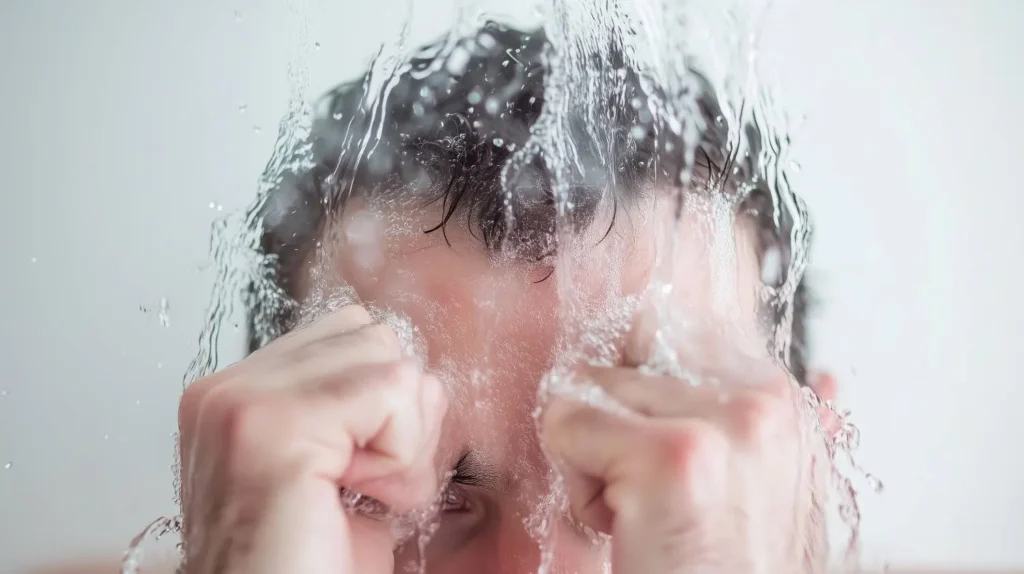
can hard water cause hair loss person washing hair with hard water buildup effects
Water Filter System

Can Hard Water Cause Hair Loss? 5 Signs It May Be Affecting You

If your hair seems dry, brittle or thinner than usual, hard water might not be to blame. Can hard water cause hair loss? Yes, in many instances yes; as can any product used directly. Many homeowners deal with hard water which has an adverse impact on both scalp and hair over time, often contributing to breakage, shed hairs or build-up on scalp surfaces over time. At RO Water Filter System, we often hear this question from families dealing with hard water every day. This guide explains what hard water does to your hair, 5 signs it may be affecting you, and what you can do at home to protect your scalp and strands. What Is Hard Water and Why It Matters for Hair Hard water contains elevated concentrations of calcium and magnesium minerals that are nontoxic for consumption but may pose problems to both your scalp and hair. When washing, these minerals don’t rinse away easily leaving behind an oily film on both your strands and scalp that won’t go away easily with shampooing alone. Over time, this leads to: Build up on the scalp Reduced moisture absorption Hair that feels rough and heavy Weak hair that is prone to breakage This is where people begin to ask about hard water and hair loss, especially when changes happen slowly. Can Hard Water Cause Hair Loss or Just Damage? Let’s address the main concern clearly. Hard water does not directly destroy hair follicles in most cases. It does not cause permanent hair loss on its own. However, it can lead to hair loss indirectly by damaging hair health over time. Here’s how: Mineral buildup blocks moisture from reaching hair Hair becomes dry and brittle Breakage increases during brushing and washing Scalp irritation can affect hair growth cycle So when people ask, can hard water cause hair loss, the practical answer is: It can contribute to hair thinning and shedding due to damage and breakage, especially over the long term. What Does Hard Water Do to Your Hair? Understanding this helps explain the bigger issue. 1. It Creates a Film on Hair Strands Minerals stick to your hair, forming a coating that makes it harder for water and products to penetrate. 2. It Dries Out Your Hair Even after washing, your hair may feel dry because moisture cannot absorb properly. 3. It Weakens Hair Structure Hair becomes less flexible and more likely to snap during daily care. 4. It Irritates the Scalp Some people experience itchiness or flakes due to buildup. This explains what does hard water do to your hair in real, practical terms. Five Signs of Hard Water on Hair You Should Not Ignore If you live in Tracy or nearby areas, these signs are common in homes with untreated water. 1. Hair Feels Dry Even After Conditioning Your conditioner no longer seems to be doing its job and your hair feels dry and unruly. 2. Increased Hair Breakage Have you noticed more hair strands appearing on your pillow, comb or shower drain? 3. Dull and Lifeless Appearance Hair begins to lose shine, leading it to appear dull or faded. 4. Scalp Feels Itchy or Coated Buildup on the scalp can clog pores and lead to itchy irritation. 5. Products Stop Working Properly Shampoos and treatments do not lather or rinse efficiently. These signs of hard water on hair may go overlooked by many homeowners. Why Hard Water Issues Are Common in Tracy, CA Water hardness varies by region, and Tracy has a known mix of mineral-rich groundwater sources. This means: Higher mineral content in tap water More buildup in plumbing and shower systems Increased exposure during daily washing If you notice scale on faucets or showerheads, it is often the same issue affecting your hair. How Hard Water Impacts Hair Growth and Long-Term Hair Health Hair growth depends on a healthy scalp and strong hair structure. Hard water interferes with both. Scalp Health Impact Mineral buildup can clog follicles Reduced oxygen and nutrient flow Irritation affects hair growth cycles Hair Strength Impact Weakened strands break before reaching full length Ends split faster Hair becomes thin over time This explains the relationship between water hardness and hair damage. Simple Ways to Test If Hard Water Is Affecting Your Hair You do not need lab testing to get a good idea. Try these simple checks: Soap does not lather easily White residue appears on fixtures Hair feels sticky after washing Towels feel stiff after drying If you notice these along with hair issues, water quality is likely a factor. Solutions That Actually Work for Hard Water Hair Problems Fixing this problem means taking on water itself rather than simply changing shampoo brands. 1. Use a Shower Filter (Short-Term Help) A shower filter can reduce some minerals and improve water feel. Good for: Mild hard water Temporary improvement Limitations: Does not fully remove calcium and magnesium 2. Install a Whole House Water Softener This is the most effective long-term solution. A Whole House Water Softener for Hard Water replaces calcium and magnesium with softer minerals. Benefits: Prevents buildup on hair and scalp Enhancing hair texture and shine are the two major goals in improving its health and condition. Protects plumbing and appliances 3. Upgrade to a Complete Water Filtration Systems If your concern goes beyond hardness and includes chlorine, sediment, or other water quality issues, a Water Filtration System addresses a broader range of contaminants.  If you want better overall water quality, a filtration system adds another layer of protection. These systems help reduce impurities that affect both hair care and overall health. For drinking water purity alongside hair and skin benefits, some homeowners pair a whole house softener with a 6-Stage Water Filtration System at the kitchen sink for clean, filtered drinking water throughout the home. Water Softener for Hair Fall: Is It Worth It? For homeowners dealing with ongoing hair issues, a water softener is often the most practical investment. It is especially useful if: You see multiple signs

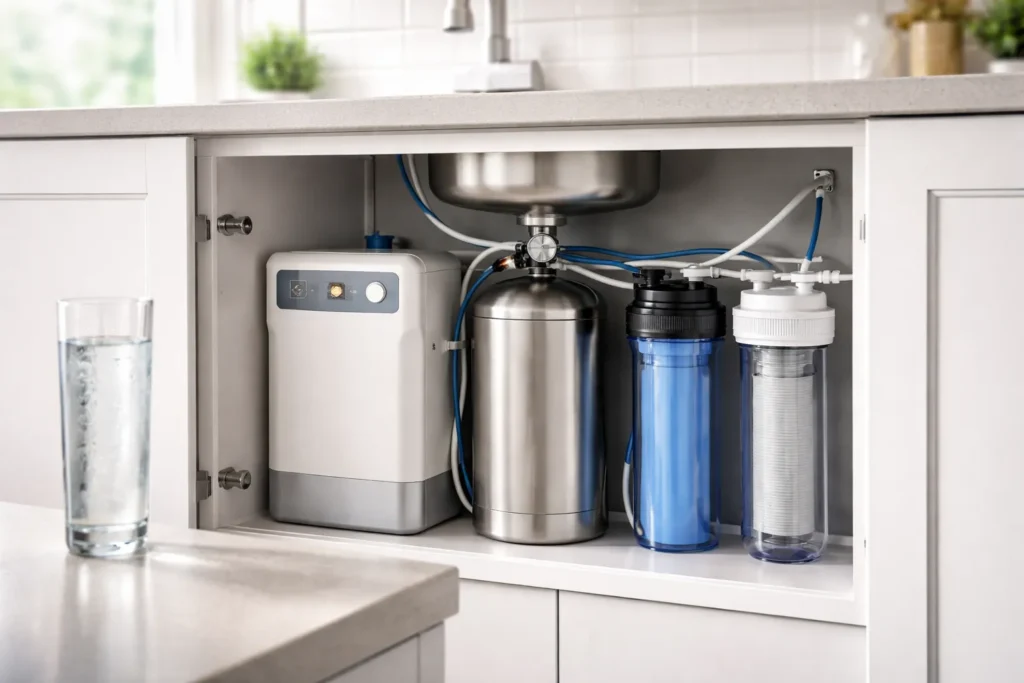
Household water filtration system installed under kitchen sink for clean drinking water
Blog, Water Filter System

10 Best Household Water Filtration Systems for Clean & Safe Drinking Water (2026 Guide)

Clean water should be readily accessible. But too often, families turn on their taps with fear, as chlorine taste, sediment buildup, and other hidden contaminants can compromise. Poor water quality can also impact cooking, bathing, and even skin and hair health. Many homes now include a household water filtration system to safeguard family health, such as the Rowater Filter System easy, dependable solution for modern filtration needs. A good system should remove chlorine sediment while improving taste, while filtering out potentially hazardous contaminants before reaching glassware – brands like these make filtering simple. Why More Homes Are Installing Water Filtration Systems Tap water goes through treatment plants. That helps remove many contaminants. Yet the water can still pick up impurities as it moves through pipes and local infrastructure. Many homes face issues such as: A water filtration improves water safety and taste before the water reaches sinks, showers, and appliances. Families choose filtration for several reasons: These benefits explain why demand for home water filtration systems continues to grow in both houses and apartments. How Water Filtration Systems Work Most home water filtration systems use several layers of filtration to clean water. Each stage targets different contaminants. Sediment Filtration A sediment water filter captures sand, rust, and debris. This is usually the first stage in many systems. It protects the rest of the filters and keeps particles from reaching faucets. Activated Carbon Filtration An activated carbon filter removes chlorine, odors, and many organic chemicals. It improves taste and smell while reducing harmful contaminants. Reverse Osmosis Reverse Osmosis Water Systems use pressure and pressure differential to filter water through a fine membrane, filtering out solids, heavy metals and chemicals from drinking water sources. They’re especially popular in kitchens as they produce very pure drinking water for cooking or consumption purposes. Whole House Treatment Whole house water filter treats water at its source as soon as it enters a home’s pipes, providing every faucet with a water purification system, providing added protection to showers, appliances and pipes while improving overall water quality throughout a residence. 10 Best Household Water Filtration Systems in 2026 Below are the top filtration systems that homeowners trust for performance, durability, and water safety. 1. Whole House Carbon Filtration System This system filters water as it enters the home. It uses large carbon tanks to remove chlorine, sediment, and chemical odors. Best for: Key benefits: 2. Reverse Osmosis Under Sink System A reverse osmosis system is one of the most effective drinking water filters available. It removes: Many homeowners perform bold reverse osmosis filter replacement every 6 to 12 months to maintain performance. This system is ideal for kitchens where drinking water purity matters most. 3. Salt Free Whole House Water Conditioner Hard water often results in mineral scale accumulation within pipes and appliances, but salt free conditioners offer an eco-friendly way to combat mineral scale without adding sodium to the drinking supply. They are particularly suitable for homes seeking cleaner drinking water without chemical softeners. 4. Multi Stage Water Purification System These systems combine several filters in one unit: This layered design improves water quality while maintaining good water pressure. 5. Compact Apartment Water Filter System Urban apartment residents often have limited space. Compact systems connect directly to the kitchen water line and are easy to install. They provide clean drinking water without large tanks. 6. UV Water Purification System UV systems destroy bacteria and viruses using ultraviolet light. They are common in rural homes where private wells may contain microbes. This type of water purification whole house solution is often paired with sediment and carbon filters. 7. Sediment and Carbon Dual Filter System A two stage system removes particles and chlorine using a simple design. Benefits include: Many homeowners perform regular ro filter replacement in similar multi-stage drinking systems. 8. High Capacity Whole House Water Filter Large households need strong filtration with high flow. These systems handle multiple bathrooms while keeping water pressure steady.They provide consistent filtered water across the entire home. 9. Smart Monitoring Filtration System Modern filtration systems now include sensors that track: This helps homeowners know when to perform reverse osmosis filter replacement or general maintenance. 10. Eco Friendly Gravity Water Filter System Gravity filters require no electricity. They are popular with eco conscious consumers who want free water filtration using natural flow. These units are also useful during power outages. How to Choose the Right Household Water Filtration System Not every home needs the same solution. Choosing the best household water filtration depends on several factors. 1. Test Your Water Start with a water test. This shows whether your water contains: Water experts recommend testing before choosing a system. 2. Decide Between Point of Use or Whole House Point of use filters treat water at one faucet. Whole house systems filter water before it enters the home. A water purification whole house system protects showers, laundry, and appliances. 3. Check Installation Needs Many systems are easy to install with basic plumbing. Others require professional installation depending on the home’s water line setup. 4. Consider Maintenance Filters must be replaced regularly. Common maintenance includes: Ignoring maintenance reduces filtration performance. Whole House vs Reverse Osmosis Systems Many homeowners ask whether they should choose a whole house filter or reverse osmosis. Both serve different purposes. Whole house systems: Reverse osmosis systems: Many homes combine both systems to create a full home water filtration system. If you want to explore a full Water Filtration System, resources such as Whole House Water Softener For Hard Water explain how complete treatment systems work together. Health Benefits of Filtered Water Clean water impacts more than drinking. A well-designed household filter supports better health in several ways. Better Skin and Hair Chlorine can dry skin and hair. Carbon filtration reduces chlorine exposure during showers. Safer Drinking Water Filtration removes heavy metals and chemical contaminants that may harm health. Reduced Plastic Waste Filtered tap water helps families avoid bottled water. Protection for Sensitive Groups Children, seniors and people living with

Scroll to Top