Clean water should be readily accessible. But too often, families turn on their taps with fear, as chlorine taste, sediment buildup, and other hidden contaminants can compromise. Poor water quality can also impact cooking, bathing, and even skin and hair health.
Many homes now include a household water filtration system to safeguard family health, such as the Rowater Filter System easy, dependable solution for modern filtration needs. A good system should remove chlorine sediment while improving taste, while filtering out potentially hazardous contaminants before reaching glassware – brands like these make filtering simple.
Why More Homes Are Installing Water Filtration Systems
Tap water goes through treatment plants. That helps remove many contaminants. Yet the water can still pick up impurities as it moves through pipes and local infrastructure.
Many homes face issues such as:
- Chlorine taste or odor
- Sediment and rust particles
- Heavy metals
- Pesticides and chemical traces
- Hard minerals that affect plumbing
A water filtration improves water safety and taste before the water reaches sinks, showers, and appliances.
Families choose filtration for several reasons:
- Health protection for children and older adults
- Better tasting filtered water for drinking and cooking
- Reduced chlorine exposure for skin and hair
- Protection for appliances and plumbing
- Less plastic waste from bottled water
These benefits explain why demand for home water filtration systems continues to grow in both houses and apartments.
How Water Filtration Systems Work
Most home water filtration systems use several layers of filtration to clean water. Each stage targets different contaminants.
Sediment Filtration
A sediment water filter captures sand, rust, and debris. This is usually the first stage in many systems.
It protects the rest of the filters and keeps particles from reaching faucets.
Activated Carbon Filtration
An activated carbon filter removes chlorine, odors, and many organic chemicals. It improves taste and smell while reducing harmful contaminants.
Reverse Osmosis
Reverse Osmosis Water Systems use pressure and pressure differential to filter water through a fine membrane, filtering out solids, heavy metals and chemicals from drinking water sources.
They’re especially popular in kitchens as they produce very pure drinking water for cooking or consumption purposes.
Whole House Treatment
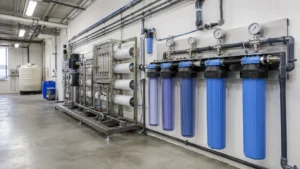
Whole house water filter treats water at its source as soon as it enters a home’s pipes, providing every faucet with a water purification system, providing added protection to showers, appliances and pipes while improving overall water quality throughout a residence.
10 Best Household Water Filtration Systems in 2026
Below are the top filtration systems that homeowners trust for performance, durability, and water safety.
1. Whole House Carbon Filtration System
This system filters water as it enters the home.
It uses large carbon tanks to remove chlorine, sediment, and chemical odors.
Best for:
- Families with strong chlorine taste
- Homes using city water
- People who want cleaner shower water
Key benefits:
- Improves skin and hair health
- Reduces chlorine exposure
- Long filter life
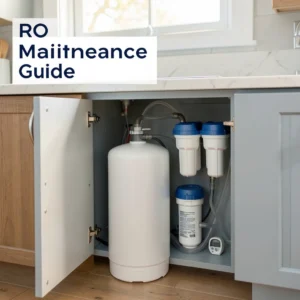
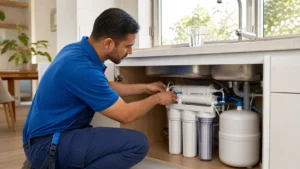
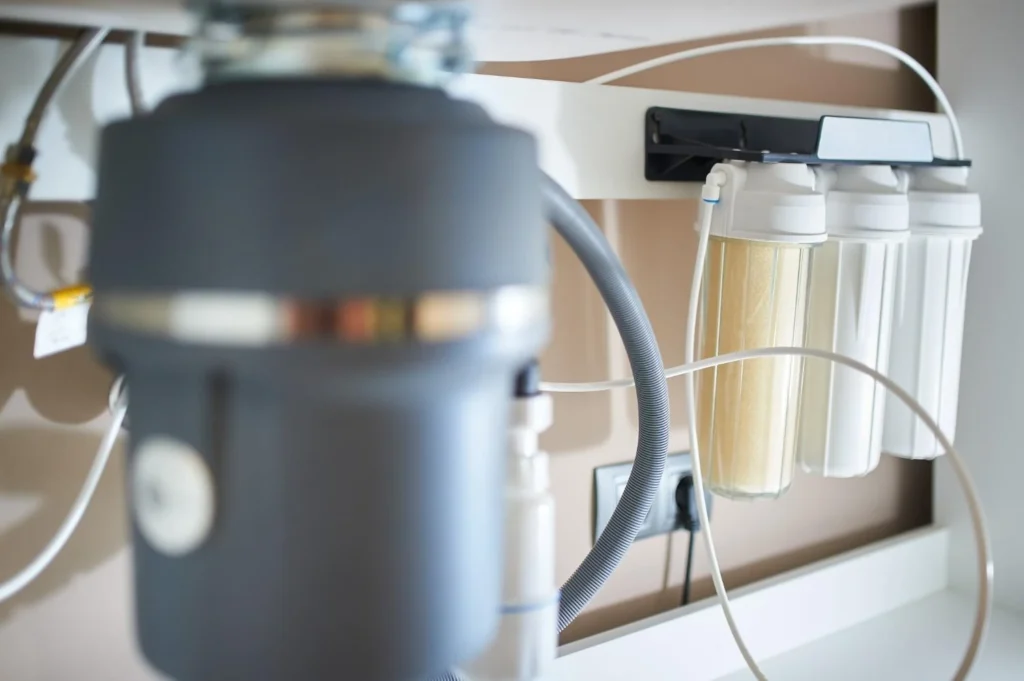
2. Reverse Osmosis Under Sink System
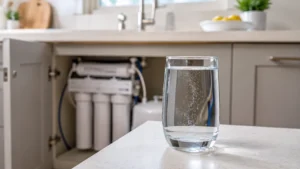
A reverse osmosis system is one of the most effective drinking water filters available.
It removes:
- Lead
- Fluoride
- Nitrates
- Heavy metals
- Many chemicals
Many homeowners perform bold reverse osmosis filter replacement every 6 to 12 months to maintain performance.
This system is ideal for kitchens where drinking water purity matters most.
3. Salt Free Whole House Water Conditioner
Hard water often results in mineral scale accumulation within pipes and appliances, but salt free conditioners offer an eco-friendly way to combat mineral scale without adding sodium to the drinking supply. They are particularly suitable for homes seeking cleaner drinking water without chemical softeners.
4. Multi Stage Water Purification System
These systems combine several filters in one unit:
- Sediment filter
- Carbon filter
- Mineral filter
- UV protection in some models
This layered design improves water quality while maintaining good water pressure.
5. Compact Apartment Water Filter System
Urban apartment residents often have limited space.
Compact systems connect directly to the kitchen water line and are easy to install.
They provide clean drinking water without large tanks.
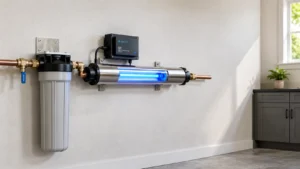
6. UV Water Purification System
UV systems destroy bacteria and viruses using ultraviolet light.
They are common in rural homes where private wells may contain microbes.
This type of water purification whole house solution is often paired with sediment and carbon filters.
7. Sediment and Carbon Dual Filter System
A two stage system removes particles and chlorine using a simple design.
Benefits include:
- Affordable cost
- Easy maintenance
- Reliable filtration
Many homeowners perform regular ro filter replacement in similar multi-stage drinking systems.
8. High Capacity Whole House Water Filter
Large households need strong filtration with high flow.
These systems handle multiple bathrooms while keeping water pressure steady.They provide consistent filtered water across the entire home.
9. Smart Monitoring Filtration System
Modern filtration systems now include sensors that track:
- Filter life
- Water usage
- Contaminant levels
This helps homeowners know when to perform reverse osmosis filter replacement or general maintenance.
10. Eco Friendly Gravity Water Filter System
Gravity filters require no electricity.
They are popular with eco conscious consumers who want free water filtration using natural flow.
These units are also useful during power outages.
How to Choose the Right Household Water Filtration System
Not every home needs the same solution. Choosing the best household water filtration depends on several factors.
1. Test Your Water
Start with a water test.
This shows whether your water contains:
- Chlorine
- Hard minerals
- Heavy metals
- Bacteria
- Sediment
Water experts recommend testing before choosing a system.
2. Decide Between Point of Use or Whole House
Point of use filters treat water at one faucet. Whole house systems filter water before it enters the home.
A water purification whole house system protects showers, laundry, and appliances.
3. Check Installation Needs
Many systems are easy to install with basic plumbing.
Others require professional installation depending on the home’s water line setup.
4. Consider Maintenance
Filters must be replaced regularly.
Common maintenance includes:
- Ro filter replacement every 6 to 12 months
- Carbon filter changes once a year
- Sediment filter replacement every few months
Ignoring maintenance reduces filtration performance.
Whole House vs Reverse Osmosis Systems
Many homeowners ask whether they should choose a whole house filter or reverse osmosis.
Both serve different purposes.
Whole house systems:
- Improve bathing water
- Protect appliances
- Reduce chlorine across the home
Reverse osmosis systems:
- Provide ultra clean drinking water
- Remove dissolved contaminants
- Deliver high quality drinking water
Many homes combine both systems to create a full home water filtration system.
If you want to explore a full Water Filtration System, resources such as Whole House Water Softener For Hard Water explain how complete treatment systems work together.
Health Benefits of Filtered Water
Clean water impacts more than drinking.
A well-designed household filter supports better health in several ways.
Better Skin and Hair
Chlorine can dry skin and hair. Carbon filtration reduces chlorine exposure during showers.
Safer Drinking Water
Filtration removes heavy metals and chemical contaminants that may harm health.
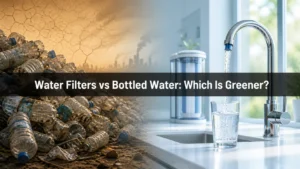
Reduced Plastic Waste
Filtered tap water helps families avoid bottled water.
Protection for Sensitive Groups
Children, seniors and people living with health conditions all reap the rewards of cleaner water, and many households find installing home water filtration systems among the most practical upgrades to increase health and comfort.
Homeowners conducting system research often explore trusted filtration options like Rowater Filter System products in terms of reliability and maintenance needs when conducting system evaluation.
Conclusion
Clean water should never be complicated, with the appropriate household water filtration system in place, protecting you and your family from contaminants while simultaneously improving taste, smell and everyday water use. From whole house water filters and reverse osmosis systems to water purification system, their sole mission should be providing you with safe drinking water that’s reliable across your entire home.
Each home has varying water needs. Assessing your own drinking water to select an effective filtration type will allow for informed decisions. Contact us to filter systems like those provided by Rowater Filter System, providing reliable filtration with easy maintenance requirements for everyday enjoyment of cleaner water. When properly set up, your family can experience cleaner water every day.
FAQs
What is the best household water filtration system for families?
The best water filtration depends on water quality and home size. Many families combine a whole house water filter with a reverse osmosis drinking system for complete protection.
How often should RO filters be replaced?
Most systems require ro filter replacement every 6 to 12 months. Regular reverse osmosis filter replacement keeps the system working efficiently and maintains water purity.
Do whole house water filters affect water pressure?
High quality systems are designed to maintain strong water pressure. Choosing the correct filter size prevents pressure loss in large homes.
Are home water filtration systems safe for apartments?
Yes. Many compact home water filtration systems connect directly to a sink water line and are easy to install in apartments or rental homes.
Is a whole house system better than a drinking water filter?
A water purification whole house system improves water across the home. Drinking water filters such as reverse osmosis provide deeper purification for cooking and drinking.