When your water system goes down, every hour counts. A restaurant can’t operate without clean water. A hotel can’t serve guests. A manufacturing line can stop cold when an industrial filter fails. Commercial water system repair isn’t something you can plan around the way you would a scheduled maintenance visit.
If you manage a facility in Tracy, California, you already know the water here comes with its own set of challenges. The San Joaquin Delta source delivers water that’s high in dissolved minerals, and that means scale buildup, filter degradation, and system stress that most commercial equipment wasn’t designed to just absorb indefinitely. RO Water Filter System works with businesses across Tracy and the surrounding valley to keep these systems running.
What Commercial Water System Repair Actually Covers
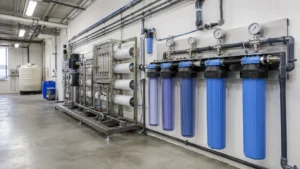
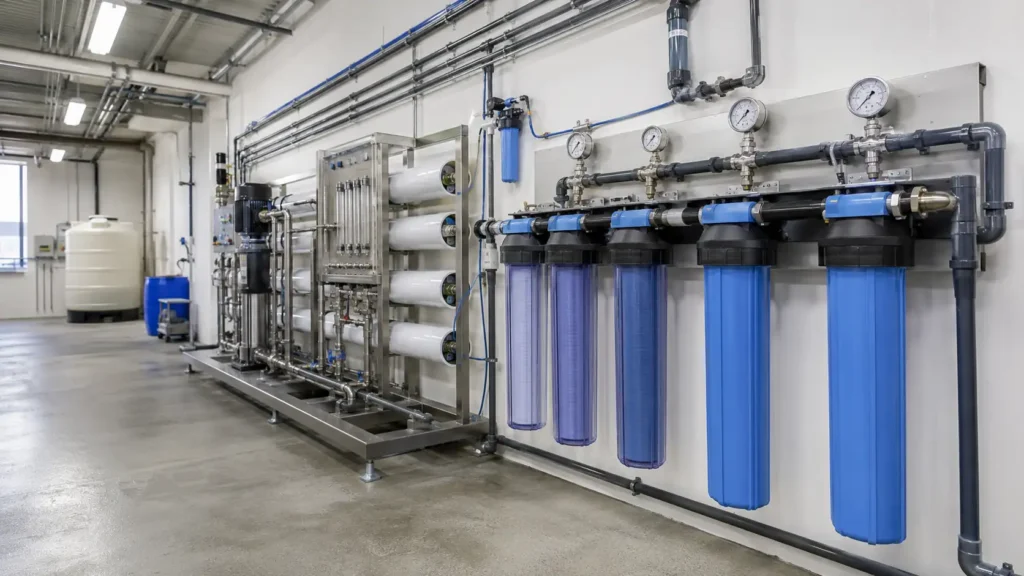
People sometimes assume commercial water repair is just swapping out a filter. It’s not. A commercial water treatment system can include several connected components, and a failure in one part affects everything downstream.
Here’s what typically falls under commercial repair and service:
- RO membrane replacement and pressure testing on commercial RO units
- Commercial water softener service, including resin bed inspection and brine tank cleaning
- Backflow preventer testing and repair (required by California code for most commercial buildings)
- Scale and sediment flushing on industrial lines
- Pre-filter and post-carbon filter replacement on multi-stage systems
- Pump pressure diagnostics on high-demand systems
- UV disinfection system checks common in healthcare and food service
The honest truth is that most facility managers don’t know all these components exist until something fails. A smart maintenance schedule prevents that.
Why Tracy’s Water Creates Extra Stress on Commercial Systems
Tracy’s municipal water is treated and meets regulatory standards. But “meets standards” doesn’t mean it’s gentle on equipment. The water here regularly tests high in calcium and magnesium. That hardness causes scale to form inside pipes, membranes, valves, and heat exchange equipment over time.
We’ve seen systems here that look fine from the outside but are running at 40 percent efficiency because nobody flushed the scale from the lines in three years. That’s not a repair call. That’s a rebuild.
Common Water Quality Issues in Tracy Facilities
- Hard water scale building up inside boilers, dishwashers, and ice machines
- High TDS readings affecting taste and output quality in food and beverage operations
- Sediment from aging infrastructure clogging pre-filters faster than expected
- Chlorine fluctuations from municipal treatment degrading RO membranes prematurely
A TDS meter reading above 300 ppm in your feed water is a signal worth paying attention to. Most commercial RO membranes are rated for specific TDS ranges. Push past those ranges without compensating, and you’re shortening membrane life significantly.
Warning Signs Your Commercial Water System Needs Repair
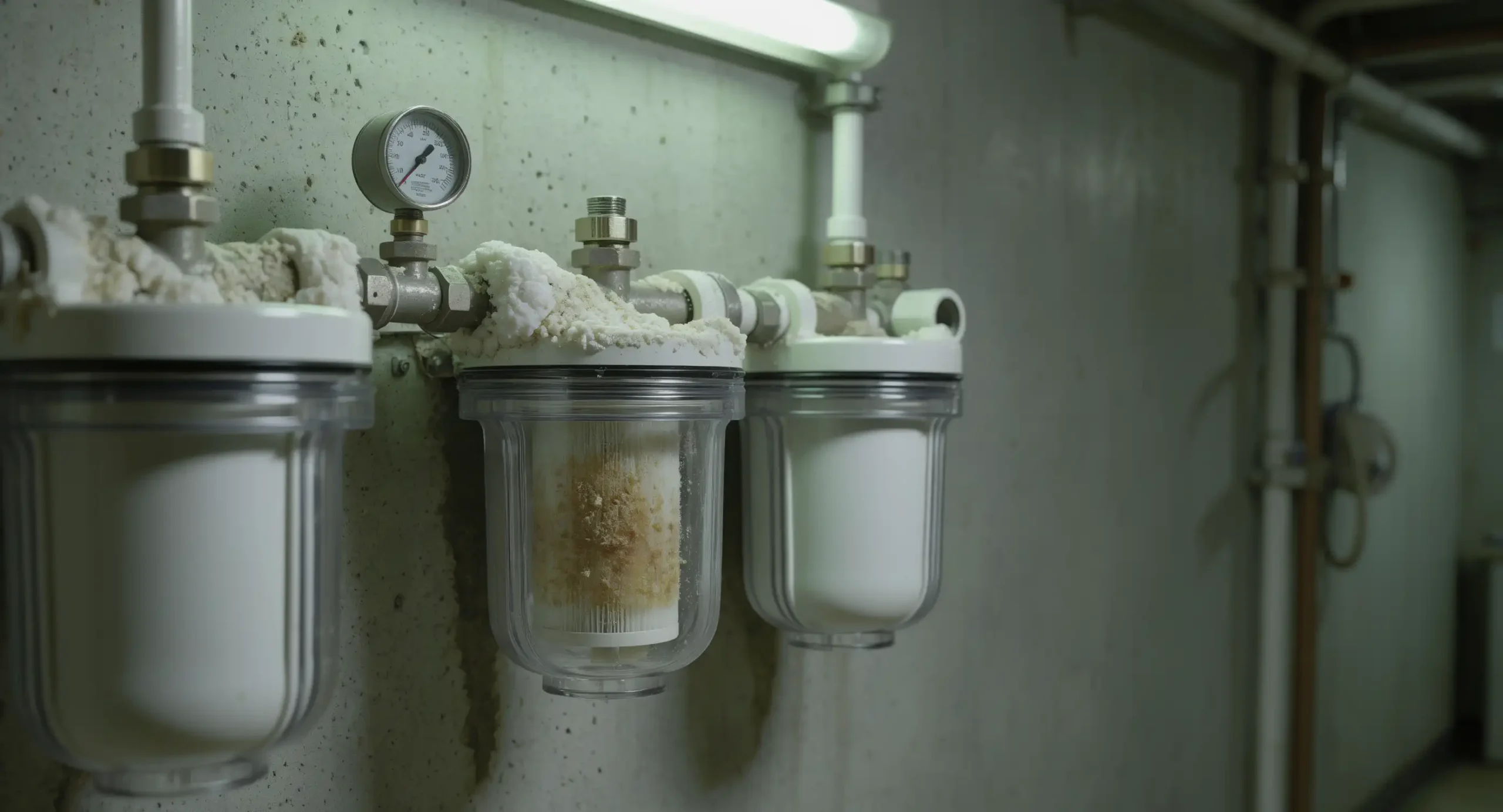
Don’t wait for a full failure. These are the signs that something is already going wrong:
- Drop in water output or pressure from an RO or filtration unit
- Change in taste, smell, or color of water at the tap or dispenser
- Unexplained increase in water bills (could indicate a slow leak or inefficient operation)
- Salt bridging in the brine tank of a water softener, which stops regeneration
- Unusual noises from pumps or pressure vessels
- Scale or white buildup appearing faster than usual on fixtures and equipment
- Alarms or indicator lights on smart commercial systems
- Backflow alarm triggering in facilities with cross-connection protection
If your ice machine or espresso equipment is suddenly producing off-taste output, check the post-carbon filter first. That’s almost always the culprit in food service environments after six to twelve months of heavy use.
Commercial Water System Repair vs. Replacement: How to Decide
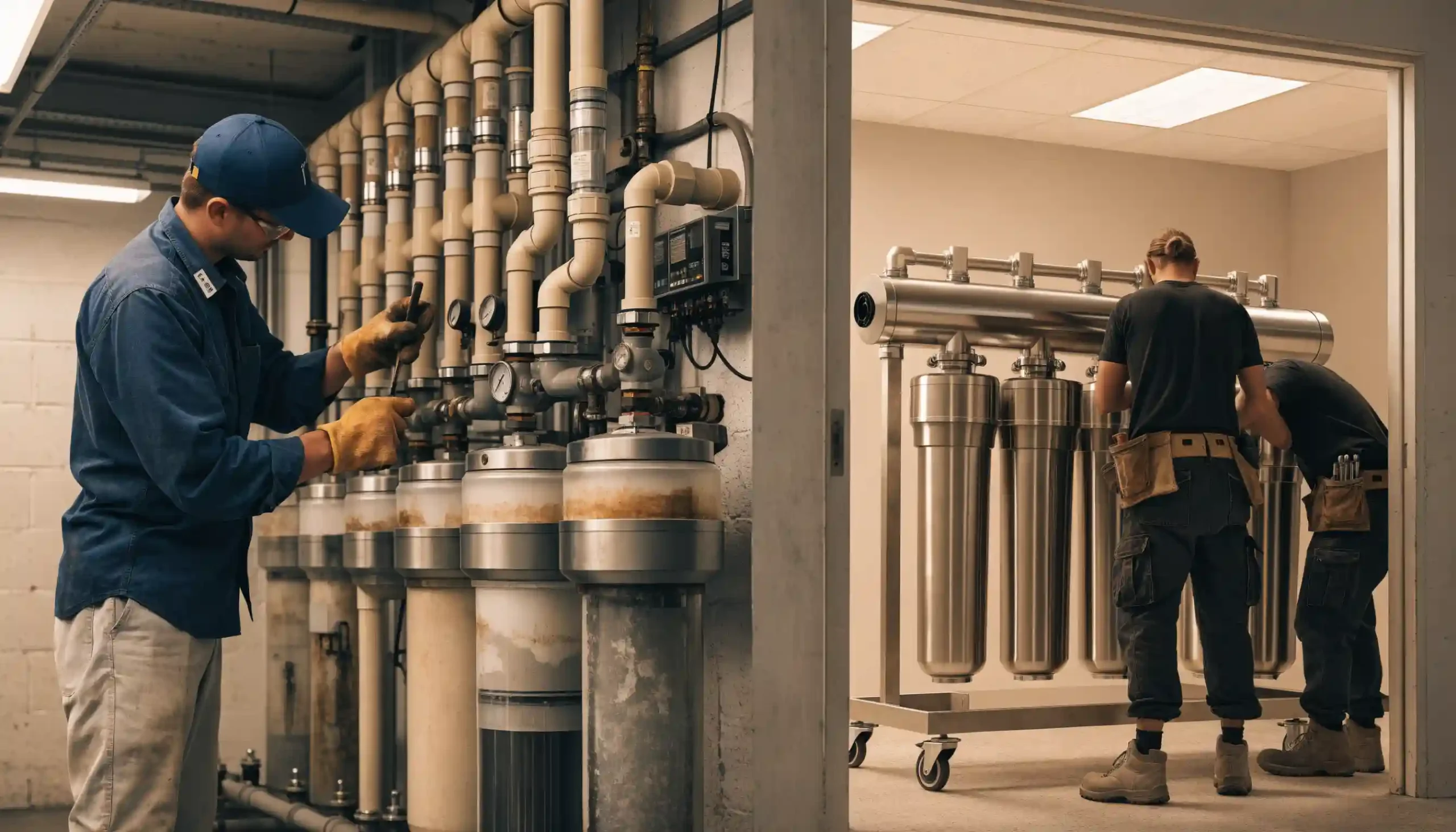
This is where a lot of businesses make costly mistakes. They either repair something that’s past its useful life, or they replace something that only needed a part swap. Here’s a practical breakdown:
Repair Makes Sense When:
- The system is less than seven years old
- Failure is isolated to one component (membrane, valve, filter housing)
- The unit holds pressure properly under diagnostic testing
- Replacement parts are still available and affordable
- The system meets your current water demand
Replacement Makes More Sense When:
- The system is more than ten years old and has had multiple failures
- Repair cost exceeds 50 percent of replacement cost
- Your facility has grown and water demand now exceeds system capacity
- Water quality has degraded even after repairs
A 5-Stage Water Filtration System in Tracy, CA can handle the demands of most mid-sized commercial kitchens and office buildings. For larger industrial applications, a combined water system repair & upgrade approach, where the technician fixes the immediate issue and reconfigures for higher demand, often makes more financial sense than a full replacement.
Industrial Water Filter Maintenance Services: What a Service Plan Should Include
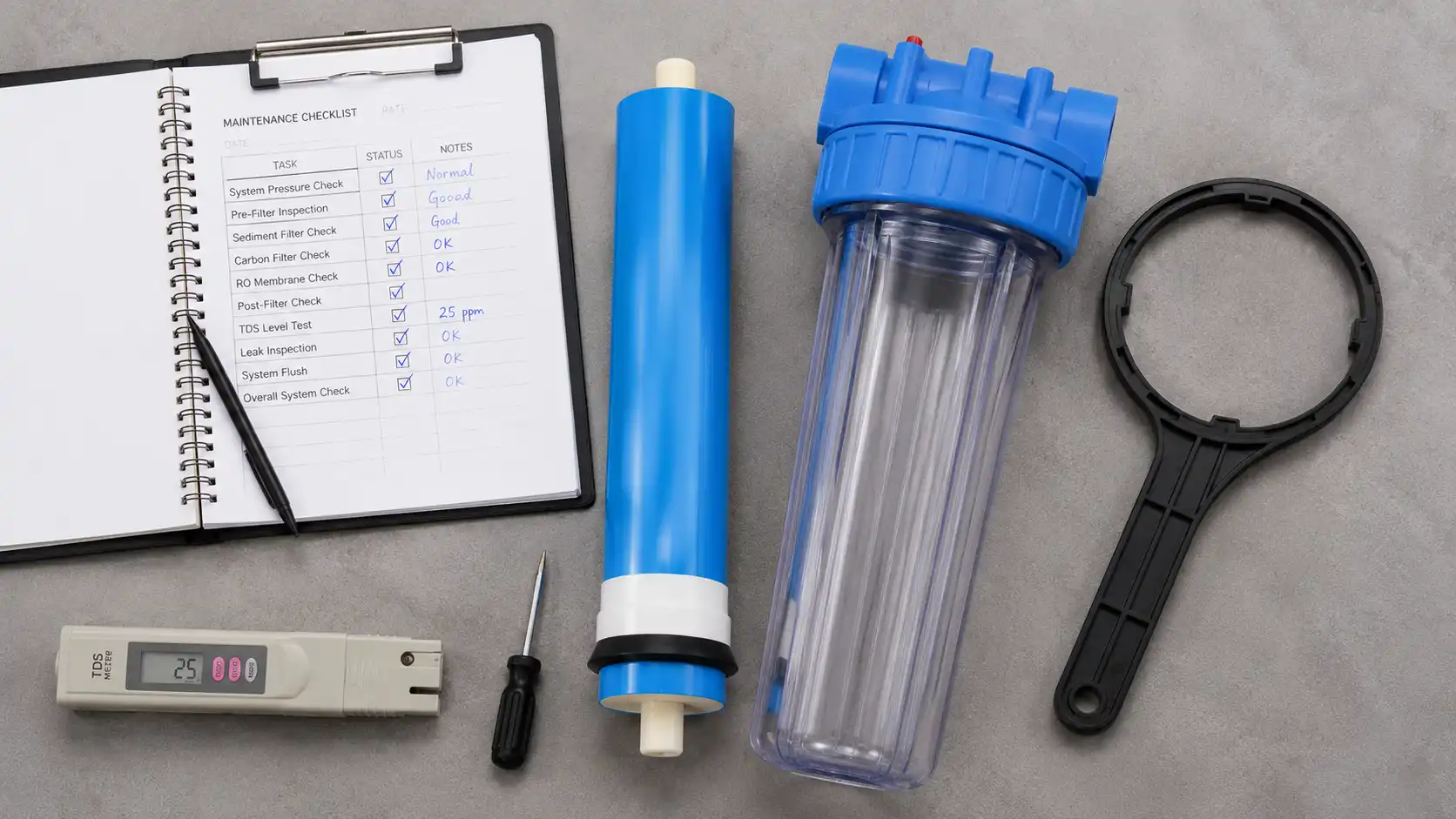
One thing that separates well-run commercial facilities from reactive ones is a documented maintenance schedule. Industrial water filter maintenance services aren’t just a nice-to-have. In food service, healthcare, and hospitality, they’re often tied to health code compliance.
A solid service plan for a commercial facility in Tracy should include:
Quarterly:
- Pre-filter replacement or inspection
- TDS and pressure readings logged
- Sanitization of filter housings where applicable
Semi-Annually:
- Full system flush and performance test
- Post-carbon filter replacement
- Backflow preventer inspection
- Water softener salt and resin check
Annually:
- RO membrane performance test and replacement if below threshold
- UV lamp replacement (if applicable)
- Full system audit with written report
The written report matters more than most facility managers realize. It creates a maintenance history that protects you during health inspections, lease negotiations, and insurance reviews.
Reverse Osmosis Repair: The Most Common Commercial RO Problems
Commercial RO systems take a beating. High flow demand, continuous cycling, and neglected pre-filters all shorten the life of membranes and components. Here’s what breaks most often:
Low Output Pressure Usually caused by a fouled membrane or a failing permeate pump. A pressure test can isolate the cause quickly.
High TDS in Product Water If your TDS meter shows your filtered output is creeping up, the membrane is losing rejection efficiency. That’s a replacement call, not a repair.
Constant Drain Flow When water keeps running to drain even when the system is idle, the automatic shut-off valve has likely failed. It’s a relatively low-cost part, but it wastes significant water over time.
System Won’t Pressurize Check the storage tank pressure first. A waterlogged tank with a failed bladder is one of the most common causes. This is an easy fix if caught early.
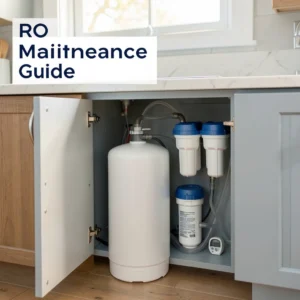
For facilities that depend on RO water for product quality or patient safety, knowing how to maintain a reverse osmosis system between service visits can prevent the most common failures.
Water System Repair and Upgrade: Planning for Growth
Most commercial facilities don’t repair their water systems in isolation. A service visit is often the right time to look at water system repair & upgrade options together, especially if your facility’s demand has grown since the original system was installed.
Restaurants and commercial kitchens expanding service capacity may find their original system undersized. Adding a booster pump or upgrading to a higher-flow membrane is cheaper than replacing the whole unit.
Hotels dealing with guest complaints about taste or scale on fixtures often benefit from a whole-building water softening system paired with a central filtration unit. This addresses the root cause instead of treating symptoms fixture by fixture.
Manufacturing facilities with process water requirements may need to consider industrial water treatment upgrades that go beyond standard filtration, including deionization or specialized scale inhibition depending on the application.
Healthcare facilities must meet stricter standards for water purity in clinical areas. Reverse osmosis repair or membrane replacement in these settings should always be performed by a technician familiar with healthcare compliance requirements.
A Water Filtration System Tracy CA assessment from a qualified technician can clarify what your current system is rated for and what changes would support future growth.
Emergency Commercial Water Filtration Repair: What to Do Right Now
If your system has failed and you need help today, take these steps immediately:
- Shut off the feed water to the affected unit to prevent flooding or backflow contamination
- Check the pre-filter housing for obvious blockage or burst filter media
- Look for visible leaks at fittings, connection points, and the drain line
- Check your bypass valve if you have one, to restore basic water service while repair is arranged
- Call a commercial water treatment technician who can come on-site, not a residential plumber
What not to do: Don’t try to flush a clogged RO membrane with high-pressure water. That can permanently damage the membrane fibers and turn a repair into a replacement.
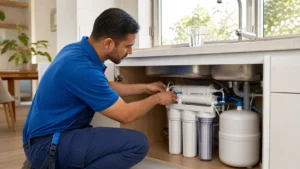
RO Water Filter System handles commercial service calls in Tracy and across the California. If you’re unsure what’s failed, a technician can run a full diagnostic to isolate the problem before any parts are ordered.
Conclusion
Commercial water system repair isn’t a one-size-fits-all situation, its effectiveness depends on your system type, source conditions, demand from facilities and how long the issue has been present. Delaying fixing something until its complete failure generally costs more.
As a facility manager, restaurant operator, property manager or hotel owner, it’s wise to assess your water treatment system early to prevent future complications from developing. Reach out to RO Water Filter System today for site evaluation services; emergency repair needs or tailoring a maintenance plan specifically to your facility needs, then speak with one of their professionals who understand both your equipment and local water conditions to develop a conversational dialogue regarding both.
FAQs
How often should a commercial water filtration system be serviced?
Most commercial systems need at least a quarterly inspection and a more thorough annual service. High-demand environments like restaurants and healthcare facilities should be on a more frequent schedule. A written maintenance log protects you during health department reviews and extends overall system life.
What is the average cost of commercial water system repair in Tracy, CA?
Costs vary widely depending on the component. Replacing a pre-filter is a minor expense. Replacing an RO membrane in a commercial unit can run several hundred dollars, and full pump or pressure vessel replacement can go higher.
Can a water filter repair fix bad-tasting water in my restaurant?
Often yes. Off-taste water in commercial kitchens is usually caused by an exhausted post-carbon filter or a degraded RO membrane. A water filter repair or component swap typically resolves it quickly. If the problem returns within a few months, the root cause may be a water quality change that requires a system upgrade.
What’s the difference between a water softener service and a full water system repair?
A water softener service focuses on the ion exchange unit, including salt levels, resin bed condition, brine tank cleaning, and regeneration cycle settings.
Do I need a backflow preventer test as part of commercial water system maintenance?
Yes, in California, most commercial properties are required to have backflow prevention devices tested annually by a certified tester. Backflow preventer testing and repair is a code compliance issue, not just a maintenance preference.