Ro Water Filter System

Blog

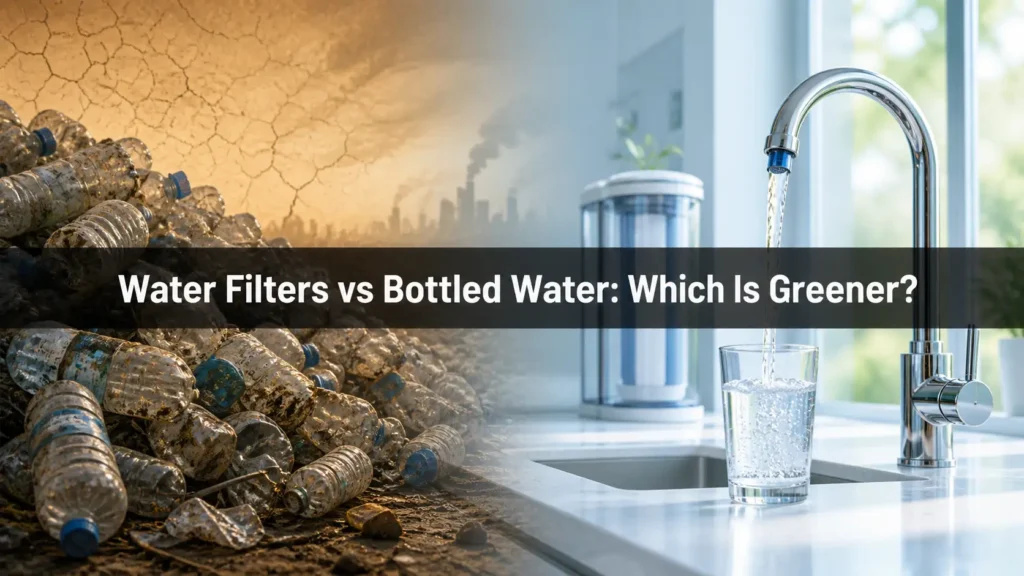
A comparison showing the environmental impact of water filters versus a massive pile of plastic bottles in a polluted landscape to highlight sustainability.
Blog

Environmental Impact of Water Filters vs Bottled Water: Which Is Greener?

Most people already know that single-use plastic bottles are bad for the environment. What they don’t always know is how much worse it actually is, or whether a home filter system is really the better answer in every situation. RO Water Filter System works with homeowners across Tracy and the surrounding area, and this question comes up constantly: “Is a water filter actually better for the planet?” The honest answer is yes, but with important details worth understanding. The environmental impact of water filters varies depending on the type of system, how you use it, and what you’re replacing. Let’s break it down clearly. The Environmental Impact of Water Filters Compared to Bottled Water The scale of bottled water waste is hard to wrap your head around. The U.S. alone produces around 50 billion plastic water bottles every year. Less than 30 percent of those get recycled. The rest end up in landfills, waterways, and eventually break down into microplastics that contaminate drinking water sources, soil, and marine ecosystems. A single plastic bottle takes roughly 450 years to decompose. And producing each bottle requires oil, energy, and more water than the bottle actually holds. That last part surprises people: it takes nearly 3 liters of water to produce 1 liter of bottled water. So bottled water doesn’t just create plastic waste. It burns through the water supply itself. By contrast, a good home filtration unit can replace thousands of single-use plastic bottles every year. A family of four drinking 2 liters each per day would go through nearly 3,000 bottles annually. One under-sink filter system handles all of that. And most filter cartridges are small enough that their waste footprint is a fraction of what the bottles would have left behind. What Makes Water Treatment Sustainable: The Filter Side of the Story Filters aren’t perfect. That’s worth saying plainly. But understanding what makes water treatment sustainable means looking at the full picture, not just one part of it. Filter cartridge waste: Every filter has a lifespan. A standard sediment or carbon filter might need replacing every 6 to 12 months. That’s one small cartridge per stage, per year. Compare that to 3,000 bottles per family per year, and the math isn’t close. Some manufacturers now offer recyclable cartridges or take-back programs, which helps reduce that waste even further. Energy use: Point-of-use filters (the kind that sit under your sink) use almost no energy. Gravity filters use none at all. Even electrically assisted systems like those with permeate pumps draw very little power compared to the energy burned in plastic bottle manufacturing, refrigeration, and transportation logistics. Carbon footprint of delivery: Bottled water doesn’t teleport to your fridge. It gets trucked from bottling plants, often hundreds of miles away. That distribution chain adds significant carbon emissions per gallon delivered. A home filter has essentially zero ongoing carbon footprint once it’s installed. Reverse Osmosis Systems: The Wastewater Question Here’s where people get stuck. Reverse osmosis systems are incredibly effective at removing contaminants, but they do produce wastewater during the filtration process. A standard RO unit might send 3 to 4 gallons of water down the drain for every gallon of filtered water it produces. That ratio has improved a lot. Modern efficient RO systems, including the type used in a 6-Stage Water Filtration System, can get much closer to a 1:1 ratio with the right configuration. A permeate pump helps push the filtered water through with less pressure, which improves efficiency and reduces how much water gets wasted in the process. But here’s the real comparison: the water sent down the drain in an RO system is still municipal water that gets treated and re-enters the local supply chain. The bottles you throw away don’t come back. They’re gone. Even accounting for RO wastewater, the net environmental impact is still far better than a household relying on bottled water long-term. How Does Water Use Affect the Environment in Tracy Specifically? Tracy’s tap water isn’t bad. But it does carry a higher mineral content than many California cities. The total dissolved solids (TDS) in local water can make a noticeable difference in taste and appliance longevity. That’s part of why so many residents turn to bottled water for drinking, without realizing that they’re trading a manageable water quality issue for a much larger environmental problem. A properly installed Water Purification System treats the water coming in, removes contaminants at the source, and delivers clean water without any ongoing plastic waste. For homeowners in Tracy concerned about both water quality and environmental sustainability, that’s a much more practical solution than buying cases of plastic bottles every week. It’s also worth noting that bottled water companies often source from municipal systems anyway. Many popular brands are filtered tap water. You’re paying a massive premium for something that, in many cases, starts from the same source as what’s already flowing to your home. Ecological Water Filter Options: What to Look For Not every filter is equally green. Some products market themselves as sustainable without much to back it up. When evaluating an ecological water filter, there are a few practical things to consider. Filter lifespan matters. A filter that lasts 12 months creates half the cartridge waste of one that needs replacing every 6 months. Look at cost-per-year comparisons, not just upfront price. Certifications are worth checking. NSF/ANSI certifications confirm that a system removes what it claims to remove. This matters because a filter that doesn’t work properly doesn’t reduce bottled water purchases. It just adds cost without solving the problem. Avoid over-engineering. Honestly, most homeowners in Tracy don’t need a 10-stage system. A well-configured reverse osmosis unit with a quality pre-filter and post-carbon stage handles 99 percent of typical household concerns. Bigger isn’t always greener, and it isn’t always better. Consider a sustainable water filtration setup that fits your actual usage. A system sized correctly for your household runs more efficiently, wastes less water during the RO process, and requires fewer filter changes relative to


A man sitting at a kitchen table using a calculator to review bills and receipts, looking for answers to "why is my water bill so high" while managing household expenses.
Blog

Why Is My Water Bill So High? The Hidden Water Waste Problems a Home Filtration System Can Solve

Your water bill arrived. It’s higher than last month. Maybe a lot higher. And you’re standing there thinking, “Why is my water bill so high when I haven’t done anything differently?” Homeowners in Tracy, California who experience water issues call us for solutions regularly, sometimes the source is obvious while other times its source remains hidden, there may simply be too much going into some obscure area and disappearing with it! Water could also simply be disappearing somewhere and not showing itself anywhere apparent to the naked eye. RO Water Filter System helps Tracy homeowners diagnose water waste issues and install the right filtration solutions to stop the bleeding, both in quality and in cost. This guide walks through every real cause of a high water bill, how to spot each one at home, and what actually fixes it. Why Is My Water Bill So High? Start Here Before Assuming Anything Before you call the water company or assume a pipe burst, do one simple thing. Go outside and find your water meter. Turn off every fixture inside the house, including the dishwasher, washing machine, and ice maker. Then watch the meter for 15 minutes. This single test tells you whether you have a hidden water leak or a usage issue. Both will show up on your bill the same way. But the fix is completely different. The Most Common Causes of High Water Bills A Running Toilet You Can’t Hear This is the number one cause of unexplained high water bills. A toilet with a worn flapper valve can leak 200 gallons or more per day silently into the drain.  Put food coloring drops in the tank of the toilet without flushing, wait 10 minutes, and see if any color shows up in the bowl, this indicates the flapper needs replacing; you can find one at any hardware store for under $10 and installing takes 20 minutes total. Hidden Water Leaks in Walls or Underground These are harder to detect. You might notice: Damp flooring Slight musty smell Water meter moving even when everything is off Even a pinhole leak can raise your bill significantly over time. Irrigation System Malfunction In Tracy, homeowners with yards run their irrigation systems hard, especially from late spring through September when temperatures push past 95 degrees. Review your irrigation controller settings regularly. Ensure the schedule reflects the season you are currently experiencing rather than running summer programs in spring, and walk each zone when running to observe whether any heads are misdirected, water is pooling near valves, or misting instead of direct spray. An irrigation malfunction is one of the most overlooked causes of high water bills, and also one of the easiest to fix if you catch it early. Water Softener Regeneration Cycles Running Too Often This one surprises homeowners. Tracy sits in San Joaquin County and pulls a significant portion of its water supply from the Delta. Local water hardness typically runs between 15 and 20 grains per gallon, which is considered very hard. Most households need a water softener, and that’s fine. But a softener that’s misconfigured or malfunctioning can regenerate far more often than needed. Each regeneration cycle uses 50 to 100 gallons of water. If your softener is cycling every day instead of every 3 to 5 days, that adds up to several thousand extra gallons a month. Leaking Outdoor Faucets and Hose Bibs It’s easy to forget the hose bib on the side of the house. But a faucet that drips even slowly, say 10 drips per minute, wastes over 500 gallons a year. If the drip is faster, that number climbs quickly. Turn each outdoor faucet fully off and watch the tip. Even slow dripping on an outdoor faucet should be repaired. Washers and packing nuts are cheap. Ignoring the leak is not. Household Usage Habits That Add Up Without Notice Not every increase in water bills is caused by leakage; sometimes high bills result from legitimate changes to household behavior whether that’s having your teenager home for summer break, welcoming a newborn into the mix, having house guests staying for multiple months at once or switching showers and baths can all impact on your bill. Compare your current bill to the same month last year. Water usage naturally rises in summer due to irrigation, more frequent laundry, and outdoor activities. If the increase matches a prior summer, it may simply be seasonal. If the spike is new compared to last year too, then something else is happening. Where Reverse Osmosis Systems Factor In Here’s something most articles about high water bills miss entirely. If you already have an older reverse osmosis system under your kitchen sink, it could be contributing to the problem. Traditional RO membranes produce clean water slowly. Older systems may waste three or four gallons per gallon filtered out; this ratio is known as waste-to-permeate ratio and could easily add six to twelve additional gallons to drain daily without anyone even being aware. If your household consumes two to three gallons daily of RO water from their system, they could potentially be losing up to 12 extra gallons each day without ever realizing. Modern systems are significantly more efficient. High-quality units now use permeate pumps and zero-waste or near-zero-waste membranes that dramatically reduce drain water. Getting a proper RO System Installation with a current-generation membrane is not just about water quality. It’s about stopping quiet, daily waste that shows up on your bill every single month. How a Water Filtration System Helps Control Waste This isn’t just a sales point. It’s a practical plumbing reality. A well-installed water filtration system reduces the need to run your tap waiting for water to “taste better.” Homeowners in Tracy who rely on unfiltered tap water often let the faucet run longer before filling a glass, cooking pot, or water bottle. That habit wastes more water than most people realize. It also reduces bottled water consumption, which means fewer delivery services, fewer plastic bottles, and

A side-by-side comparison explaining what is activated carbon filtration by showing a used, dark-grey carbon block filter next to a clean, white replacement filter.
Blog

What Is Activated Carbon: 8 Reasons It Is Important for Clean Water

Understanding what is activated carbon and its function within water filters enables you to make better choices when installing and maintaining them. At RO Water Filter System, we help homeowners select an efficient filtration and carbon filter water setup based on what their actual water contains rather than choosing something purely from product boxes. If the tap water in your home has an unfamiliar taste or chlorine scent, leaving you uncertain of its source, don’t feel ashamed, homeowners in Tracy CA, often rely on municipal water sources that contain disinfection byproducts, chlorine and trace chemicals, one material has emerged as being particularly important in purifying this water. What Is Activated Carbon, Really? Activated carbon is a processed form of carbon that has been altered to develop numerous tiny internal pores, giving it a massive surface area; one gram can cover an area greater than 1,000 square meters, that’s roughly equivalent to packing half of a basketball court into something you could hold in your hand! Filters are constructed out of carbon-rich raw materials like coconut shell, coal, or wood; coconut shell is by far the most popular option used in drinking water applications as its hard and porous structure allows it to provide optimal taste and odor removal performance. Consumer products typically refer to this material as activated charcoal; while in water treatment and industrial settings it should more accurately be called activated carbon; both terms refer to its core essence. How the Activation Process Works Raw carbon material is first heated in a low-oxygen environment to burn off impurities and leave a carbon skeleton behind. Then it is exposed to steam or activating chemicals at very high temperatures. This second step is what opens up and expands the pore structure throughout the material. The result is a carbon that has a surface area hundreds of times larger than it would have without this process. That expanded surface is what makes it so effective at trapping contaminants. The process also controls the size and distribution of pores, which is why different grades of activated carbon perform differently depending on what they are being used to filter. How Activated Carbon Removes Contaminants From Water Activated carbon filters work through a process called adsorption. This is different from absorption. In absorption, a substance is taken into another material, like a sponge soaking up water. In adsorption, contaminants stick to the surface of the carbon through a chemical attraction. As water passes through a carbon filter, organic compounds, chlorine, chloramines, volatile organic compounds (VOCs), pesticides, and certain industrial chemicals are drawn to the carbon surface and held there. They are physically pulled out of the water as it flows through. This is not the same as filtering particles out by size. It is a chemical bonding process, which is why activated carbon is particularly effective against contaminants that other filters miss. 8 Reasons Activated Carbon Is Important for Clean Water 1. It Removes Chlorine and Chloramine Effectively Municipal water systems in California use chlorine and chloramines to disinfect water. These chemicals do their job in the distribution system, but they are not something you want in your drinking water. A carbon block water filter or GAC stage removes both effectively and improves taste and smell almost immediately. 2. It Reduces Volatile Organic Compounds (VOCs) VOCs enter water supplies from industrial runoff, fuel storage, and agricultural activity. They are a real concern for homes near farmland or older infrastructure. A granular activated carbon filter traps these compounds before they reach your glass. 3. It Protects Other Filter Stages in RO Systems In a reverse osmosis system, activated carbon pre-filters protect the delicate RO membrane from chlorine damage. Chlorine degrades polyamide membranes quickly. Without a carbon stage before the membrane, the membrane has a much shorter lifespan. 4. It Improves Taste and Odor Without Chemicals Activated carbon is an efficient solution for families wanting cleaner-tasting water without adding anything extra, no additives, salts or chemicals required! By physically adsorbing into water sources directly, activated carbon improves taste and smell without alteration, an attractive proposition when seeking non-additively flavored solutions without the hassle. 5. It Works in Multiple Filter Formats Activated carbon is used in several filter types: Granular activated carbon (GAC) filter: Loose granules packed into a housing. Good flow rate, lower pressure drop, often used in whole house and under-sink pre-filter stages. Carbon block water filter: Compressed carbon ground into a fine powder and shaped into a solid block. Denser contact time and finer contaminant removal than granular. CTO filter: Stands for Chlorine, Taste, and Odor. A specific type of carbon block filter designed to address those three problems efficiently in RO pre-filter stages. Powdered activated carbon (PAC): Used in some municipal treatment processes. Not typically found in home systems but worth knowing exists. 6. It Is a Key Stage in Multi-Stage Filtration Systems An activated carbon pre-filter and post-filter, commonly seen in 7-Stage Water Filtration System, often serves two distinct roles in such a setup, acting both as pre-filtration prior to RO membrane use and post-filter. This dual approach ensures comprehensive chemical contamination coverage. 7. It Works Alongside Other Technologies for Whole-Home Protection For homeowners who want clean water from every tap, not just the kitchen, a Water Purification System that combines a whole house carbon pre-filter with a point-of-use RO system is a strong option. The carbon stage handles chlorine and organics across the home, while the RO system handles dissolved solids and heavier contaminants at the point where you drink. 8. It Is Sustainable When Sourced Correctly Coconut shell-based activated carbon is an eco-conscious homeowner’s go-to material when selecting water filter products in Tracy or elsewhere in California. When considering filter products to purchase, eco-consciousness matters greatly in their choice process. Types of Activated Carbon Used in Home Water Filters Type Form Common Use Best For Granular Activated Carbon (GAC) Loose granules Whole house pre-filters, first RO stage Chlorine, taste, odor, some VOCs Carbon Block Compressed powder Under-sink, RO pre

How to make a water purification system for clean drinking water in glass
Blog

How to Make a Water Purification System at Home (Step-by-Step DIY Guide)

Water may often be taken for granted. But homeowners might question its quality when their tap water has an unusual taste or aroma, draws from outdated plumbing systems, or is extracted through alternative means. Rural communities, emergencies, or science projects often seek easy filtration ways to purify water using everyday materials. This guide details how to make a water purification system at home using an easy step-by-step approach, using common household materials to create a basic filtering system that can remove particles and improve clarity in drinking water. At RO Water Filter System, we assist homeowners in understanding both DIY solutions as well as professional ones so they can make informed choices regarding their drinking water sources. Why People Build a DIY Water Purification System Many individuals build a DIY water purification system as part of learning, emergency preparedness or temporary treatment needs. Homemade filters can improve water quality by filtering out dirt, sediment and impurities found in drinking water. Some common reasons include: Learning how filtration works Creating a science project or classroom experiment Preparing for outdoor or emergency situations Improving cloudy or dirty water in remote areas Understanding how filtration systems work before buying one A homemade water filtration system is helpful for basic filtration, though it should not replace a certified drinking water system when long term safety is required. Understanding How Water Filtration Works Before building a filter, it helps to understand how Water Filtration System remove contaminants. Filtration typically happens in layers. Each layer targets different types of particles in the water. A simple filter often includes: Gravel or stones These catch large debris such as leaves, dirt, or sediment. Sand Sand removes smaller particles that pass through the gravel layer. Activated charcoal Charcoal absorbs chemicals, odors, and some organic contaminants. Cloth or cotton This final layer helps trap very fine particles before the water exits the system. When water slowly moves through these layers, the result is cleaner and clearer filtered water. Materials Needed for a Homemade Water Filtration System Implement a quick and straightforward filter setup using common household items available nearby. Materials needed for construction: A plastic bottle or container. Gravel or small stones Clean sand Activated charcoal Coffee filter, cloth, or cotton A knife or scissors A second container to collect the filtered water Make sure all materials are rinsed before building the filter. Clean materials improve the quality of the filtration process. Step-by-Step Guide to Build a DIY Drinking Water Filter This simple process explains how to build a water filter at home using layered filtration. Step 1: Prepare the Container Cut the bottom off a large plastic bottle and turn it upside-down so the neck faces towards you; this allows water to flow naturally through its filter layers and into its container. Place the bottle inside another container that will collect the filtered water. Step 2: Add the Bottom Filter Layer Place a cloth or coffee filter inside the bottle neck. This layer prevents sand and charcoal from falling out while allowing water to pass through slowly. Step 3: Add the Charcoal Layer Pour a layer of activated charcoal on top of the cloth. Charcoal helps remove: Some chemicals Odors Certain organic impurities It is one of the most important layers in a homemade water filtration system. Step 4: Add Sand for Fine Filtration Next, add a thick layer of clean sand. Sand can capture small sediment particles to help purify water, providing greater clarity for users. As fine grain sizes diminish, their ability to filter out minute debris particles increases significantly. Step 5: Add Gravel or Stones Place a layer of gravel or small stones above the sand. This layer prevents the sand from shifting and filters larger particles such as leaves, dirt clumps, or debris. Step 6: Pour Water Slowly Through the Filter Slowly pour cloudy or dirty water through the filter’s top opening until all layers (gravel, sand, charcoal and cloth) have been passed through and collected into its container below. Your end goal should be clean water than before. Repeating the filtering process two or three times may produce better results. Important Safety Tip About Homemade Filters A DIY drinking water filter can remove dirt and improve water clarity, but it may not eliminate bacteria, viruses, or harmful chemicals. To make water safer for drinking, you should also consider: Boiling the filtered water for at least one minute Using water purification tablets Using a certified filtration system These additional steps help protect your health when using untreated water sources. Signs Your Tap Water May Need Better Filtration Many homeowners seek information on how to purify tap water at home because of changes in quality of the tap water they receive. Common warning indicators include: Cloudy water Metallic taste Chlorine smell Sediment in glasses or kettles Hard water scale on appliances If these signs appear regularly, a DIY filter may improve clarity but a proper household system will provide more reliable treatment. Homeowners in Tracy, California, often deal with minerals, chlorine treatment, and aging plumbing infrastructure that affect water taste and quality. When a DIY Filter Is Not Enough A homemade filter is useful for learning or short term use. Many households eventually need a more reliable filtration system. Situations where a professional system works better include: Contaminated groundwater Heavy chlorine taste Hard water scale buildup Concerns about lead or other metals Long term drinking water safety For example, a reverse osmosis system removes a much wider range of contaminants compared to basic filtration. Homeowners looking for stronger protection often choose a professional Drinking Water Filtration in Tracy CA, designed for kitchen or whole house use. DIY Filter vs Household Water Filtration System Understanding the difference helps homeowners choose the right solution. Feature DIY Water Filter Household Water Filtration System Purpose Temporary or educational use Long-term water treatment Filtration ability Removes sediment and some odors Removes many contaminants Cost Very low Higher upfront investment Reliability Limited Consistent filtration Maintenance Replace materials frequently Scheduled filter replacement A DIY filter demonstrates

Whole house water filter vs reverse osmosis system comparison showing RO filtration unit with storage tank and faucet
Blog

Whole House Water Filter vs Reverse Osmosis: Find the Best Water System for Your Home

Once homeowners realize there are issues with their tap water, many begin researching ways to treat it. When such issues occur, such as smelly chlorine levels or discolored fixtures causing mineral spots or tasting odd in the kitchen sink area, others worry about potential contaminants found in municipal supplies; two popular solutions include whole house water filter and reverse osmosis systems as possible solutions. Understanding which one truly addresses our water filtration needs can be tricky; that is why this guide compares whole house water filter vs reverse osmosis systems in straightforward language. Here you will gain more knowledge regarding water filters’ operation, contaminants they remove from sources, and which option best meets individual household requirements. Our aim is to arm homeowners with enough information so they can make knowledgeable choices before investing in filters solutions. What Is a Whole House Water Filter and How It Works An effective whole house water filter treats water as soon as it enters your home; this process is known as point-of-entry filtration. With such a system attached to the main water line, all faucets, shower heads, and appliances in your house benefit from clean drinking water. How the system works Most house water filtration systems rely on several filtration stages that remove common contaminants from municipal or well water. Typical components include: Sediment filters that capture sand, rust, and dirt Activated carbon filters that remove chlorine and chemical odors Optional stages for heavy metals or organic compounds Once installed, the system filters water before it flows through the plumbing system. That means cleaner water reaches: showers and bathtubs laundry machines dishwashers outdoor taps kitchen sink This approach improves the overall quality of house water filtration across the home. What whole house filters remove A well designed house water filter system can reduce: chlorine sediment and rust unpleasant odors certain chemicals some heavy metals These systems focus on improving water quality for everyday use, not just drinking water. What Is a Reverse Osmosis System and How It Works Reverse Osmosis Water Filter, commonly referred to as RO systems, operate differently from regular water filters in that they treat only at its point of use (usually under your kitchen sink) for best results. This system uses water pumped through a semi-permeable membrane designed to filter out small contaminants such as lead. Stages in a typical RO system Most residential reverse osmosis systems include multiple filtration stages. Common stages include: Sediment filter to remove particles Carbon filter to reduce chlorine and chemicals RO membrane that removes dissolved contaminants Post carbon filter to improve taste Some systems add extra stages for additional purification. This process produces purified water that is typically used for drinking and cooking. What reverse osmosis removes A properly installed ro system can remove: dissolved salts heavy metals such as lead nitrates fluoride many chemicals microorganisms including some bacteria and viruses Because of this capability, reverse osmosis water filtration is widely used for high quality drinking water. Whole House Water Filter vs Reverse Osmosis Understanding whole house water filter vs reverse osmosis starts with one key difference. These systems serve different purposes. A whole house filter improves water quality for the entire home. A reverse osmosis system produces very clean drinking water at one faucet. Point of entry vs point of use Feature Whole House Filter Reverse Osmosis Installation Main water line Usually under kitchen sink Coverage Entire home One faucet Purpose Improve overall water quality Produce purified drinking water Filtration level Moderate Very high Contaminant removal capability Whole house filters focus on removing: chlorine sediment odors some chemicals Reverse osmosis systems target dissolved contaminants that are much smaller. That includes: heavy metals nitrates fluoride dissolved solids This difference explains why many homeowners use both systems together. Pros and Cons of Whole House Filters Benefits Clean water at every faucet A whole house system improves water quality for bathing, laundry, and dishwashing. Protects plumbing and appliances Removing sediment and chlorine helps reduce wear on water heaters, pipes, and washing machines. Better shower experience Filtered water often reduces chlorine odor and skin irritation. Limitations Does not produce ultra purified drinking water Whole house filters are not designed to remove very small dissolved contaminants. Higher upfront installation cost Installing a point-of-entry system requires work on the main plumbing line. Pros and Cons of Reverse Osmosis Systems Benefits Extremely effective contaminant removal Reverse osmosis systems can remove a wide range of dissolved contaminants. Excellent drinking water quality Many homeowners notice improved taste and clarity. Compact installation Most units fit neatly under the kitchen sink. Limitations Only treats one water source Water from other taps in the home remains untreated. Slower filtration RO systems produce purified water gradually and store it in a tank. When a Whole House System Makes More Sense A whole house water filtration system is often the better choice when water quality problems affect the entire home. Examples include: strong chlorine smell in shower water sediment in tap water discoloration in laundry unpleasant odors from multiple faucets These issues usually indicate problems with the incoming water supply. A point-of-entry system treats the water before it flows through the plumbing system. Many homes in areas with older infrastructure benefit from this type of Water Filtration System. When Reverse Osmosis Is the Better Choice In some cases, homeowners are mainly concerned about drinking water purity. An RO system may be the best option if you want to remove: dissolved solids heavy metals nitrates fluoride Because the reverse osmosis membrane filters extremely small particles, it produces very clean drinking water. Should You Combine Both Systems? In many homes, the most effective setup includes both technologies. A whole house filter improves water quality throughout the house. A reverse osmosis system provides high purity drinking water. This combination offers two levels of protection: House filtration systems remove chlorine and sediment for the whole home. Reverse osmosis water filtration provides purified water for drinking and cooking. Some homeowners also explore whole house water filter vs reverse osmosis, though these are

Household water filtration system installed under kitchen sink for clean drinking water
Blog, Water Filter System

10 Best Household Water Filtration Systems for Clean & Safe Drinking Water (2026 Guide)

Clean water should be readily accessible. But too often, families turn on their taps with fear, as chlorine taste, sediment buildup, and other hidden contaminants can compromise. Poor water quality can also impact cooking, bathing, and even skin and hair health. Many homes now include a household water filtration system to safeguard family health, such as the Rowater Filter System easy, dependable solution for modern filtration needs. A good system should remove chlorine sediment while improving taste, while filtering out potentially hazardous contaminants before reaching glassware – brands like these make filtering simple. Why More Homes Are Installing Water Filtration Systems Tap water goes through treatment plants. That helps remove many contaminants. Yet the water can still pick up impurities as it moves through pipes and local infrastructure. Many homes face issues such as: A water filtration improves water safety and taste before the water reaches sinks, showers, and appliances. Families choose filtration for several reasons: These benefits explain why demand for home water filtration systems continues to grow in both houses and apartments. How Water Filtration Systems Work Most home water filtration systems use several layers of filtration to clean water. Each stage targets different contaminants. Sediment Filtration A sediment water filter captures sand, rust, and debris. This is usually the first stage in many systems. It protects the rest of the filters and keeps particles from reaching faucets. Activated Carbon Filtration An activated carbon filter removes chlorine, odors, and many organic chemicals. It improves taste and smell while reducing harmful contaminants. Reverse Osmosis Reverse Osmosis Water Systems use pressure and pressure differential to filter water through a fine membrane, filtering out solids, heavy metals and chemicals from drinking water sources. They’re especially popular in kitchens as they produce very pure drinking water for cooking or consumption purposes. Whole House Treatment Whole house water filter treats water at its source as soon as it enters a home’s pipes, providing every faucet with a water purification system, providing added protection to showers, appliances and pipes while improving overall water quality throughout a residence. 10 Best Household Water Filtration Systems in 2026 Below are the top filtration systems that homeowners trust for performance, durability, and water safety. 1. Whole House Carbon Filtration System This system filters water as it enters the home. It uses large carbon tanks to remove chlorine, sediment, and chemical odors. Best for: Key benefits: 2. Reverse Osmosis Under Sink System A reverse osmosis system is one of the most effective drinking water filters available. It removes: Many homeowners perform bold reverse osmosis filter replacement every 6 to 12 months to maintain performance. This system is ideal for kitchens where drinking water purity matters most. 3. Salt Free Whole House Water Conditioner Hard water often results in mineral scale accumulation within pipes and appliances, but salt free conditioners offer an eco-friendly way to combat mineral scale without adding sodium to the drinking supply. They are particularly suitable for homes seeking cleaner drinking water without chemical softeners. 4. Multi Stage Water Purification System These systems combine several filters in one unit: This layered design improves water quality while maintaining good water pressure. 5. Compact Apartment Water Filter System Urban apartment residents often have limited space. Compact systems connect directly to the kitchen water line and are easy to install. They provide clean drinking water without large tanks. 6. UV Water Purification System UV systems destroy bacteria and viruses using ultraviolet light. They are common in rural homes where private wells may contain microbes. This type of water purification whole house solution is often paired with sediment and carbon filters. 7. Sediment and Carbon Dual Filter System A two stage system removes particles and chlorine using a simple design. Benefits include: Many homeowners perform regular ro filter replacement in similar multi-stage drinking systems. 8. High Capacity Whole House Water Filter Large households need strong filtration with high flow. These systems handle multiple bathrooms while keeping water pressure steady.They provide consistent filtered water across the entire home. 9. Smart Monitoring Filtration System Modern filtration systems now include sensors that track: This helps homeowners know when to perform reverse osmosis filter replacement or general maintenance. 10. Eco Friendly Gravity Water Filter System Gravity filters require no electricity. They are popular with eco conscious consumers who want free water filtration using natural flow. These units are also useful during power outages. How to Choose the Right Household Water Filtration System Not every home needs the same solution. Choosing the best household water filtration depends on several factors. 1. Test Your Water Start with a water test. This shows whether your water contains: Water experts recommend testing before choosing a system. 2. Decide Between Point of Use or Whole House Point of use filters treat water at one faucet. Whole house systems filter water before it enters the home. A water purification whole house system protects showers, laundry, and appliances. 3. Check Installation Needs Many systems are easy to install with basic plumbing. Others require professional installation depending on the home’s water line setup. 4. Consider Maintenance Filters must be replaced regularly. Common maintenance includes: Ignoring maintenance reduces filtration performance. Whole House vs Reverse Osmosis Systems Many homeowners ask whether they should choose a whole house filter or reverse osmosis. Both serve different purposes. Whole house systems: Reverse osmosis systems: Many homes combine both systems to create a full home water filtration system. If you want to explore a full Water Filtration System, resources such as Whole House Water Softener For Hard Water explain how complete treatment systems work together. Health Benefits of Filtered Water Clean water impacts more than drinking. A well-designed household filter supports better health in several ways. Better Skin and Hair Chlorine can dry skin and hair. Carbon filtration reduces chlorine exposure during showers. Safer Drinking Water Filtration removes heavy metals and chemical contaminants that may harm health. Reduced Plastic Waste Filtered tap water helps families avoid bottled water. Protection for Sensitive Groups Children, seniors and people living with

Person filling a glass with clean tap water in a kitchen after installing a whole house water softener for hard water
Blog

Whole House Water Softener for Hard Water: The Complete Homeowner’s Guide

Hard water affects more than 85% of U.S. households, yet most homeowners don’t realize the damage accumulating inside their pipes until it’s expensive. A whole house water softener for hard water treats every drop at the point of entry, before it reaches a single tap, appliance, or showerhead. This guide cuts through the marketing noise. You’ll find a comparison table, a sizing walkthrough, a straight answer on salt-based vs. salt-free, and everything else you need to make the right call for your home. Top whole house water softeners at a glance Before diving into the details, here’s how the most-recommended systems compare: System Grain capacity Best for Price range Standout feature Fleck 5600SXT 48,000 gr 3–5 person households $600–$900 Digital metered regeneration, high salt efficiency GE GXSH40V 40,200 gr 2–4 person households $450–$650 Smart Soft technology, compact brine tank Springwell SS1 32,000–80,000 gr All household sizes $800–$1,400 Bluetooth app control, lifetime warranty Pentair WS48-56sxt10 48,000 gr Well water / high hardness homes $700–$1,100 High flow rate, iron reduction Understanding Hard Water in Homes Hard water contains minerals like calcium and magnesium from underground rock layers; this mineral composition makes hard water common across many regions with city or well city water supplies. As water passes through pipes and appliances, minerals form deposits which eventually lead to scale formation in plumbing and equipment. Common signs of hard water include: These issues lead many homeowners to ask how do you fix hard water in a permanent way. Fixed it, permanently installed a water filter with an experienced hand like the RO Water Filter System The most reliable solution is a whole house water softener for hard water, which treats water before it reaches any tap in the home. How a Whole House Water Softener Actually Works Most residential systems use a process called ion exchange. Inside a resin tank, thousands of tiny beads carry sodium ions. As hard water flows through, the beads grab calcium and magnesium ions and swap them for sodium, removing the hardness before water ever reaches your plumbing. Here’s how it works: Once the resin beads become full of hardness minerals, the system regenerates. During regeneration: The result: every tap, shower, appliance, and pipe in the home receives consistently softened water, not just the one faucet with a filter attached. Benefits of Installing a Home Water Softener System A well-sized system improves daily life in many ways. 1. Protects Plumbing and Appliances Hard minerals in water gradually cause problems to water heaters, dishwashers and washing machines. Softened water helps prevent scale build-up which in turn means: For homeowners planning long-term hard water treatment for entire home, this protection is often the biggest benefit. 2. Improves Skin and Hair Comfort Families suffering from dry skin or brittle hair often see significant relief after installing a whole-house water softener. Softened water allows soap to rinse clean instead of leaving mineral deposits behind and many homeowners report experiencing an improvement after their whole house softener has been installed. Many homeowners report that: These improvements are common in homes where water contains high mineral levels. 3. Better Cleaning Efficiency Hard water diminishes the effectiveness of cleaning products, decreasing their efficacy. With soft water: Many households notice their tasting water and overall water feels better once hardness minerals are removed. 4. Protects Fixtures and Surfaces Mineral deposits often stain sinks, tubs and glass surfaces in bathrooms and kitchens. Soft water reduces these deposits to make bathrooms and kitchens cleaner with reduced effort required to maintain cleanliness, leading homeowners to incorporate water softening systems as part of their maintenance plans. As such, new homeowners frequently include water softening systems in their plans. Salt-based vs. Salt-free: Which is Better For Hard Water? Salt-based ion exchange softener Actually removes calcium and magnesium Produces true soft water Works at any hardness level Extends appliance and pipe lifespan Proven technology, 50+ years of use Requires: salt refills every 4–6 weeks, annual maintenance, drain connection Salt-free water conditioner Changes mineral structure, doesn’t remove them Reduces scale formation modestly No salt, no drain, no electricity Low maintenance Good for areas restricting sodium discharge Limitation: ineffective above 10 GPG; doesn’t soften water for skin/hair The marketing around salt-free conditioners has outpaced the evidence. Independent testing consistently shows that at hardness levels above 7–10 GPG, a salt-free system does not prevent scale in water heaters or protect appliances the way a true ion exchange water softener does. For most homeowners dealing with hard water damage, a salt-based system is the appropriate solution. Buying Guide: How To Size and Choose The Right System Test your water hardness first Don’t guess. A $10 test strip or free municipal water report tells you your GPG. This single number drives every sizing decision that follows. Calculate the grain capacity you need Multiply: (number of people × 75 gallons/day × water hardness in GPG). A family of four with 12 GPG hardness needs about 3,600 grains treated daily, so a 32,000-grain system regenerating every 9 days is adequate. Most homes buy larger than this formula suggests, which wastes salt; most homes need a 32,000 to 48,000 grain unit. Check the flow rate (GPM) A 1-inch main line typically flows at 10–12 gallons per minute (GPM). If your softener’s rated flow is lower than your home’s demand, you’ll notice pressure drops during heavy-use moments. Always check the manufacturer’s peak flow spec, not just the average. Decide between salt-based and salt-free See the full comparison below. For hardness above 7 GPG, salt-based almost always wins on actual softening performance. Plan the installation point The softener must go on the cold water main, before the water heater. Most require a drain connection for brine discharge and an electrical outlet for the control valve. Budget at least 3–4 square feet of floor space. Many homeowners combine a softener with a Water Filtration System to improve overall water quality and remove chlorine or sediment. How to Set Water Softener Hardness Cloudy tap water caused by high mineral content before adjusting the water

Scroll to Top