You see a date printed on a bottle you retrieve from your cupboard or garage. Now you wonder, can water expire, or is that just a formality? This is a common concern, especially for families storing water for emergencies or buying in bulk.
Many online guides give surface-level answers, often saying “water doesn’t expire” without explaining what actually goes wrong over time. At RO Water Filter System, we see homeowners in Tracy, CA dealing with real issues like heat exposure, plastic breakdown, and poor storage conditions. This guide goes deeper, so you understand not just if water expires, but when it becomes unsafe or unpleasant to drink.
Can Water Expire? What the Date on the Bottle Actually Means
If you look at the bottom of a bottled water label, you will often see a date printed there. Many people assume this is an expiration date for the water itself. It is not.
The FDA does not require bottled water to carry an expiration date. The manufacturer places the date on most bottles, which usually indicates a two-year shelf life. The plastic bottle, not the water within, is the main focus of this date. The worry is that the plastic may eventually start to degrade, particularly if it is heated or carelessly kept.
So does water expire? Ultimately no; H2O remains chemically inert. What changes, though, is how its container and storage conditions impact overall safety and taste of its content.
5 Things You Need to Know About Bottled Water Safety
1. The Plastic Bottle Is the Real Risk, Not the Water
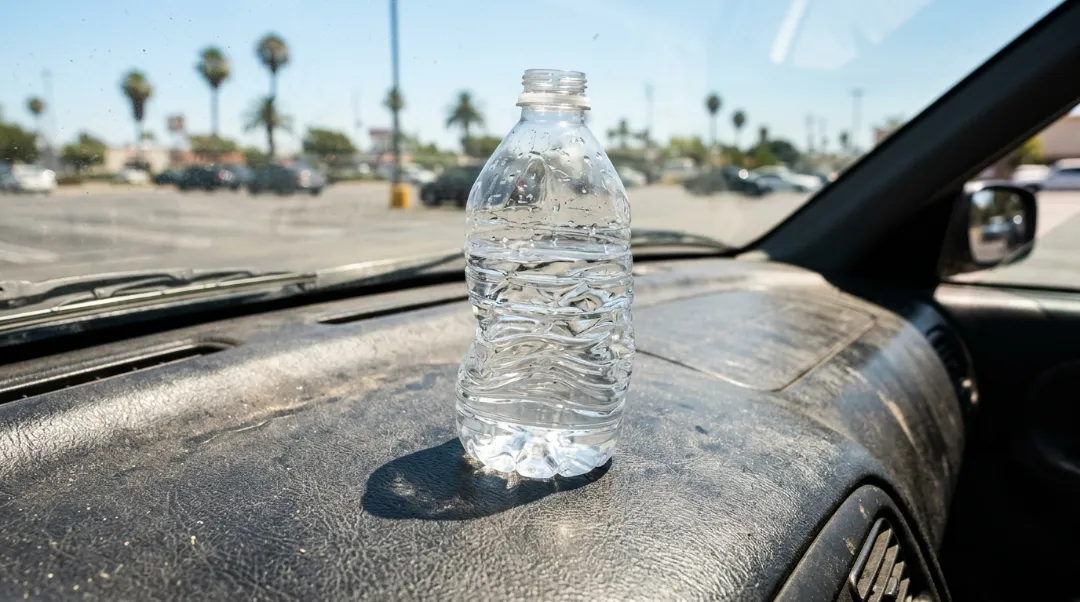
Most single-use water bottles are made from PET (polyethylene terephthalate). At room temperature in a cool, dark space, PET bottles are generally safe. The problem starts when bottles are exposed to heat or sunlight for extended periods.
Hot plastic water bottles may release chemicals into their contents. Of particular note is BPA (Bisphenol A), found in certain plastics; most PET water bottles labeled for water use do not contain this chemical, yet heat may still cause other compounds from plastic into water sources.
Concerns about microplastics in bottled water have also been highlighted by research. Particularly in older bottles or those that have been kept at high temperatures for an extended period of time, tiny plastic particles may find their way into the water. Useful lesson: Keep bottled water out of direct sunlight and in a cool, dark place.
2. Does Water Go Out of Date If It Tastes Flat?
Yes, water can develop a flat or stale taste over time, even if it is technically safe to drink. This happens for a few reasons.
When water is stored in a sealed bottle for months, it can absorb trace amounts of carbon dioxide from the air inside the bottle. This slightly lowers the pH and can affect the taste. Carbonated water goes flat faster because it actively loses carbonation once the seal starts to degrade.
Properly stored water stored in an undamaged, sealed bottle stored in a cool environment should taste clean well within its two-year expiry window. If the seal has been compromised or there are cloudy signs on the bottle or an off flavor is detectable then do not drink.
3. Does Distilled Water Expire? What About Purified and Spring Water?
This is a question we get a lot. Does distilled water expire? The short answer is the same: the water itself does not expire, but the container and storage conditions still apply.
Can distilled water go bad? It can, but not because of the water’s chemistry. Distilled water has had minerals and impurities removed, which actually makes it slightly more susceptible to absorbing compounds from the plastic container over time.
For people storing distilled water for appliances like humidifiers or steam irons, this is less of a concern. The expiration date printed on the bottle is a guide for optimal freshness, not a hard safety cutoff, as long as the bottle has been stored properly.
4. Storing Bottled Water for Emergencies: What You Actually Need to Know
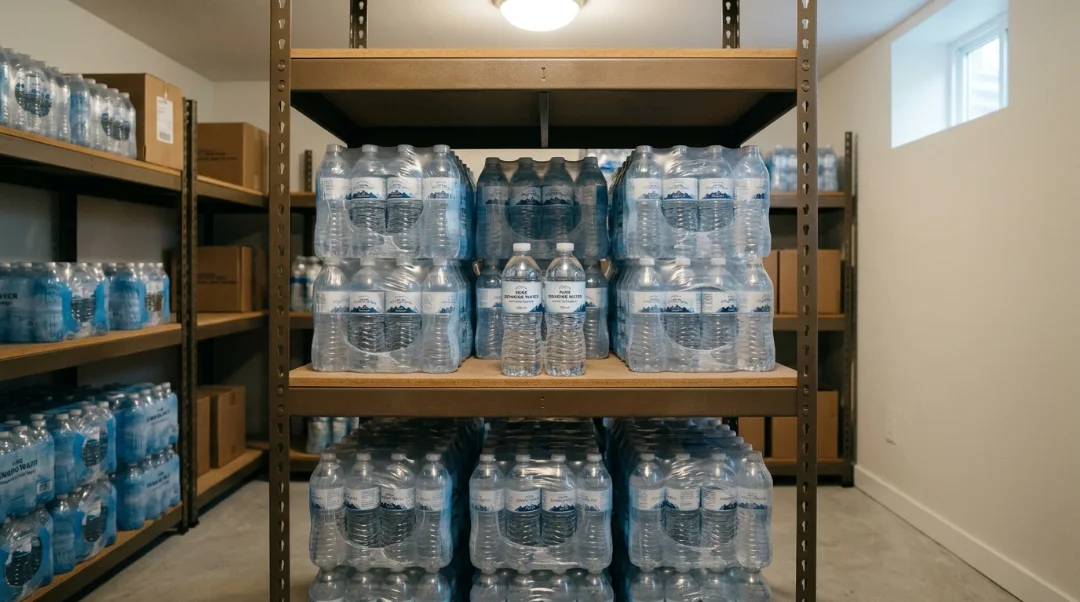
Many homeowners in Tracy, CA, and the surrounding area keep emergency water supplies on hand. This is smart planning. But how long does bottled water stay safe in emergency storage?
Here are the most important storage guidelines:
- Keep bottles in a cool, dark location such as a basement, closet, or pantry away from any cleaning chemicals or gasoline.
- Avoid storing water directly on concrete floors, which can allow chemical transfer over long periods.
- Rotate your stock. Use older bottles first and replace them with fresh ones on a rolling basis.
- The standard recommendation from emergency preparedness agencies is to replace commercially bottled water every one to two years, even if it has been stored correctly.
- Once a bottle has been opened, it should be consumed within a few days. Bacteria growth can begin in opened bottles, especially if you drink directly from the bottle and introduce microorganisms.
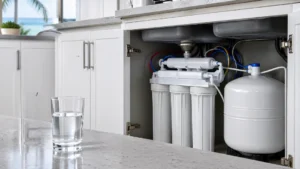
For families building a serious emergency water supply, commercially bottled water is a reasonable short-term solution. For longer-term planning, a home filtration system connected to a reliable water source is a more dependable approach. A Reverse Osmosis Water Filter system installed at your home gives you on-demand clean water without the ongoing cost and waste of buying cases of bottled water.
5. Bottled Water vs. Filtered Tap Water: What Is Healthier Long-Term?
Bottled water is not automatically cleaner than tap water. Some bottled water brands are just filtered municipal tap water bottled in plastic bottles at an increased markup price, leading to serious environmental concerns such as plastic leaching or microplastic contamination and single-use packaging costs.
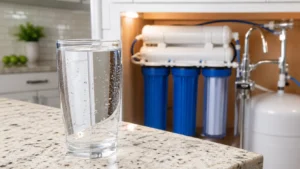
A better long-term approach for most households is a quality home filtration system. A 5-Stage Water Filtration System removes sediments, chlorine, heavy metals, and other common contaminants directly at your tap, giving you clean, great-tasting water on demand without the ongoing expense of buying bottled water.
For homeowners evaluating their options, Household Water Filtration Systems offer a practical, cost-effective alternative that reduces plastic waste and gives you more consistent water quality control than relying on store-bought bottles.
Does Water in a Cool, Dark Place Last Longer?
No doubt about it; storage conditions play the greatest role in how long bottled water remains safe and tastes delicious. Heat hastens plastic degradation, promotes chemical leaching, and can create conditions in open or compromised bottles where algae or bacteria growth occurs.
Rule of thumb for water containers left inside cars in Tracy, CA in July can reach temperatures in excess of 140F; at these extreme temperatures bottles begin degrading rapidly.
Conclusion
So, can water expire? Water itself cannot expire; however, bottled water can become less safe and enjoyable to drink depending on its storage, type of plastic bottle used to contain it, temperature conditions of its storage environment and length of exposure to direct sunlight or heat. Therefore, any label-imposed date serves only as an approximate guideline rather than setting an absolute expiration date on it.
RO Water Filter Systems offer Tracy residents and nearby areas an economical, sustainable, and hassle-free alternative to buying bottled water. Professional installation allows your family to benefit from clean filtered water right out of the tap without worrying about plastic, storage issues or ongoing costs. Get help choosing an RO system by reaching out via our contact page today.
FAQs
Can bottled water go bad if unopened?
Yes, it can. Even unopened bottles can degrade over time if exposed to heat or sunlight. Proper storage in a cool, dark place helps maintain safety.
Does water go out of date in plastic bottles?
The water itself does not expire, but the plastic container can break down and affect quality. That’s why expiration dates are printed.
How long does bottled water last in hot climates?
In hot environments, bottled water can degrade much faster. It may only remain safe for a few months if exposed to high temperatures regularly.
Can distilled water go bad after opening?
Yes. Once opened, distilled water can absorb contaminants from the air. It’s best to use it within a few days.
Is filtered water better than bottled water?
For daily use, filtered water is often safer and more convenient. It avoids plastic exposure and provides fresh water continuously.