Most people have never stopped to ask what water is actually supposed to taste like. They just drink it. Then one day it tastes off, and the questions start. Is this normal? Is something wrong with my pipes? Is this water even safe?
If you live in Tracy, or anywhere in the CA, you have probably noticed that tap water does not always taste the same. Sometimes it is fine. Other times it tastes like it came from a swimming pool. Understanding what does water taste like, and why that changes, can tell you a lot about what is actually in your glass. At RO Water Filter System, we help homeowners figure out exactly that.
Does Water Actually Have a Taste?
Scientifically speaking, pure water should have no flavor of its own, without color, odor or taste, yet water from taps or plastic bottles rarely fulfills this standard of purity.
The water molecule itself is not what you taste when you drink it. Everything has been dissolved in it. Your taste senses may pick up traces left by minerals, treatment chemicals, pipe materials, and even the container it passed through. A few of those residues have a pleasant flavor. Some people don’t.
Researchers who study the organoleptic properties of water, meaning how it looks, smells, and tastes, confirm that even small differences in mineral content can produce a noticeably different drinking experience. A water sommelier, yes that is a real profession, can identify a water source just by tasting it.
What Should Clean, Fresh Water Taste Like?
The profile of good drinking water is clean, light, and somewhat neutral. It should be odorless, have a smooth mouthfeel, and leave no aftertaste.
What makes water taste good:
- A balanced pH level, usually between 7.0 and 8.5
- Low TDS (Total Dissolved Solids), ideally between 50 and 300 mg/L
- Appropriate levels of calcium and magnesium, which add a natural, soft mineral quality
- No chlorine odor or aftertaste
- Good dissolved oxygen levels, which give water that “fresh” sensation
The goal is not zero minerals. Completely stripped water, like distilled water, actually tastes flat and slightly hollow to most people. A small amount of natural mineral content gives drinking water its refreshing mouthfeel.
Why Does Tap Water Taste Bad?
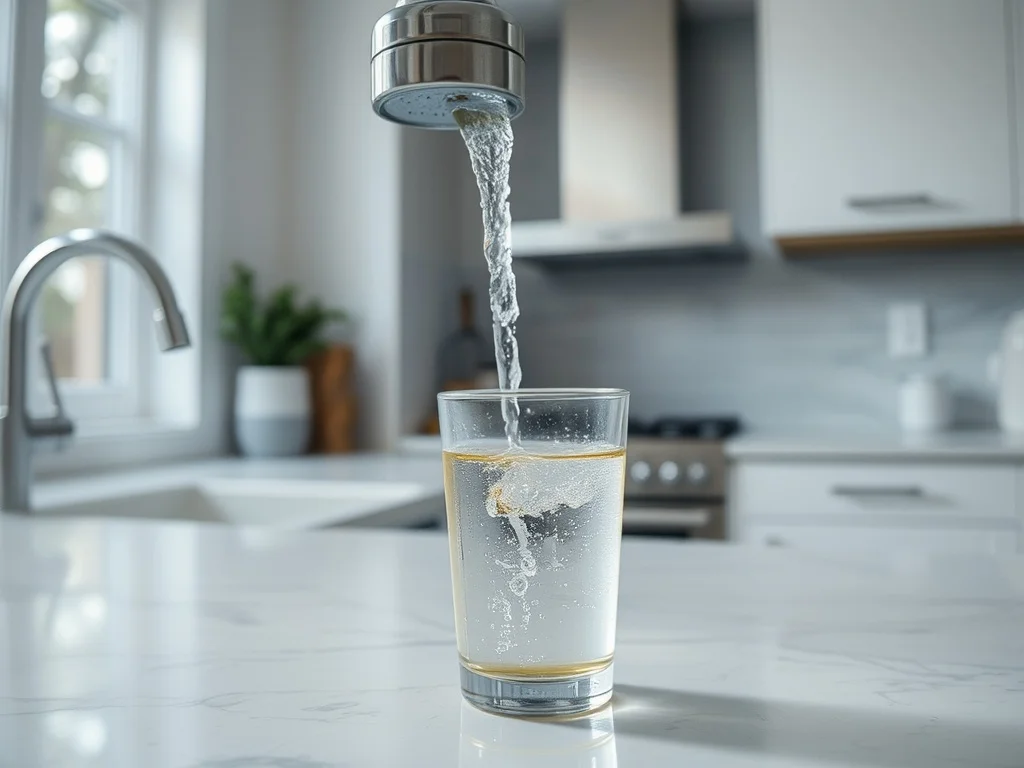
This is one of the most frequently asked water questions by homeowners and can depend on exactly which “bad” behavior you describe.
It Tastes Like Chlorine or a Swimming Pool
Municipal tap water is treated with chlorine or chloramine to kill bacteria and other pathogens before it reaches your home. That is a good thing from a safety standpoint, but it leaves behind a chemical smell and taste. In Tracy and surrounding areas, levels of chlorine in treated municipal water can be noticeable, especially in summer when treatment is increased.
It Tastes Metallic or Bitter
One of the most concerning tastes is a metallic tang, which often indicates a problem in your pipes. As water passes through older plumbing, copper, iron, or zinc may seep into the water. The first pull of the day may taste metallic and harsh if your house contains copper or galvanized steel pipes, particularly if the water has been in them overnight.
This is also a sign to check whether your home has lead pipes or lead solder joints. Old properties built before 1986 sometimes do. If you are concerned, it is worth reading more about what contaminants a filter can handle, including whether reverse osmosis removes lead from your drinking water.
It Tastes Salty or Heavy
What does water taste like with an unusual salty, slightly bitter, or heavy mouthfeel often contains high Total Dissolved Solids concentration (TDS). This phenomenon is prevalent in hard groundwater where minerals such as calcium, magnesium, sodium and sulfates naturally exist, although hard water itself does not always present potential health hazards; high concentrations may alter its flavor significantly.
It Smells Like Eggs or Sulfur
If your water has a sulfur smell, you likely have hydrogen sulfide present, which is common in well water or groundwater sources. Even treated municipal water can pick up a faint sulfur note if the source aquifer has high sulfur content. The smell is usually worse when the water is warm.
It Tastes Sweet or Has No Real Taste
High mineral content, particularly calcium concentrations above the usual range, might cause faintly pleasant water. Because the harshness of chemicals and minerals has been eliminated, some individuals perceive soft water or reverse osmosis filtered water as rather sweet. In other situations, a sweet taste may be a sign of organic matter contamination, thus it’s important to be aware of it.
What Does Distilled Water Taste Like?
You may have noticed that distilled water tastes rather flat if you’ve ever tried it. This is due to the fact that almost everything is eliminated during distillation, including the minerals that give water its pleasant, neutral quality.
What distilled water tastes like:
- Flat and slightly empty
- No aftertaste
- Can feel thin or hollow
- Some people find it unpleasant to drink regularly
This is why most water filtration systems, including reverse osmosis systems, include a remineralization stage. Removing contaminants is the goal, but you still want the water to taste natural and balanced. A good Water Filtration System removes what is harmful while keeping or restoring what makes water taste clean and refreshing.
Hard Water vs. Soft Water: What Is the Difference in Taste?
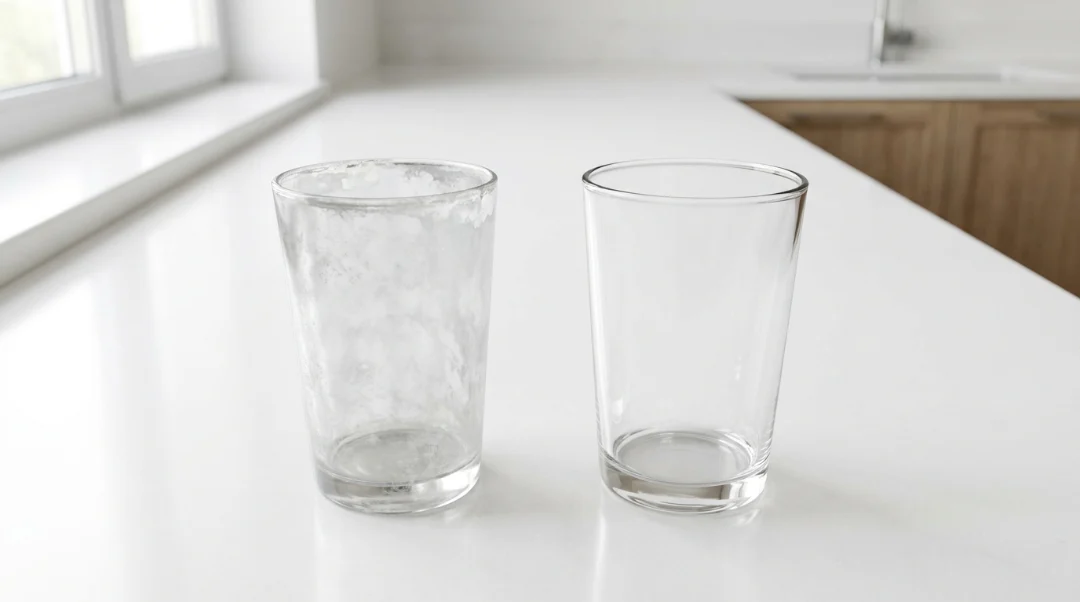
Hard water is rich in dissolved calcium and magnesium. It is extremely common in Tracy, CA and throughout the Central Valley because the water comes from mineral-rich groundwater sources.
|
Water Type |
Taste Profile | Common Source |
|
Hard water |
Slightly chalky, heavy, or bitter |
Groundwater, wells |
|
Soft water |
Lighter, sometimes slightly salty |
Treated municipal water |
|
Spring water |
Balanced, slightly mineral |
Natural aquifer |
|
Filtered RO water |
Clean, neutral, light |
Treated tap water |
| Distilled water | Flat, hollow |
Steam distilled |
Hard water is not necessarily dangerous, but it can make water taste unpleasant. It also leaves scale buildup in kettles, appliances, and pipes over time.
Does Taste Mean Water Is Unsafe to Drink?
It is a signal that should be taken seriously, albeit not always. Lead, arsenic, nitrates, and certain pesticides are examples of hazardous pollutants that have no taste or smell at all. Taste is not a reliable indicator of water safety.
However, unusual tastes can still point to real problems:
- Chlorine taste: Usually safe, but indicates chemical treatment you may want to reduce
- Metallic taste: Could indicate pipe corrosion or the presence of heavy metals
- Sulfur smell: Often indicates hydrogen sulfide, which is unpleasant and can indicate bacterial activity
- Salty or bitter taste: Can indicate high TDS, sodium, or other dissolved compounds
If the taste of your water has recently altered without making changes at home, it might be worthwhile investigating further. What does water taste like quality in municipal systems may fluctuate seasonally or following infrastructure maintenance projects on local infrastructure.
How to Improve the Taste of Your Tap Water at Home
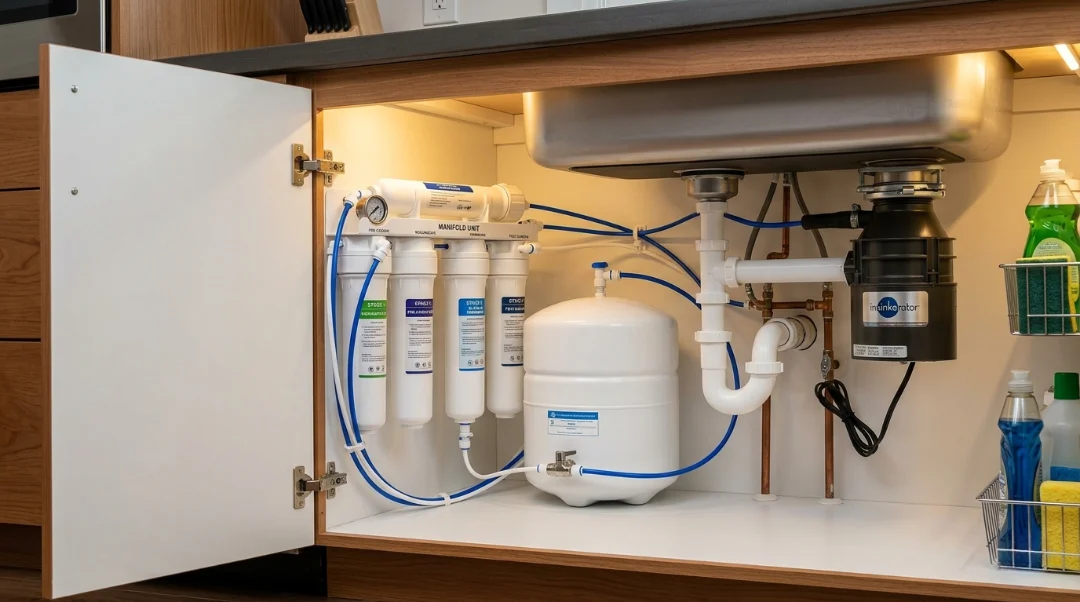
There are useful things you can do if your tap water tastes bad.
Step 1: Let It Run Before Drinking
If your water tastes metallic in the morning, let the tap run for 30 to 60 seconds before filling your glass. This flushes out water that has been sitting in pipes overnight and often improves the taste.
Step 2: Use a Refrigerator Filter or Pitcher
A basic carbon filter in your fridge or a pitcher-style filter can remove chlorine taste and improve general flavor. These are low-cost and easy to maintain, but they do not address heavy metals or TDS.
Step 3: Install an Under-Sink Filtration System
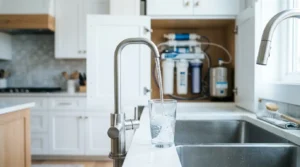
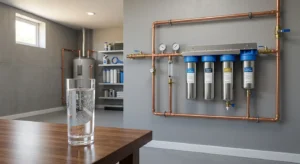
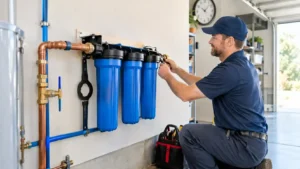
For homeowners who want consistent results, an under-sink system handles a much wider range of issues. A 5-Stage Water Filtration System removes sediment, chlorine, chloramine, heavy metals, and dissolved solids in stages, delivering clean, balanced water at the tap.
Step 4: Consider a Reverse Osmosis System
Reverse osmosis systems provide the most comprehensive option for home drinking water purification systems, offering significant reduction in TDS levels while simultaneously filtering lead and other heavy metals out, eliminating chlorine smell and taste, producing fresher-tasting water, when combined with remineralization filters, perfect if your Tracy area water contains persistent metallic, bitter or chemical flavors. If this solution doesn’t quite do it for you, try our reverse osmosis filter instead for maximum reliability over the long-term!
What People in Tracy, CA Often Notice About Their Water
What does water taste like? Tracy draws its water from a combination of surface water and groundwater. The water is treated to meet state and federal standards, but that does not mean it is without taste or odor. Many residents notice:
- A chlorine smell, especially in warm months
- Slightly hard water that leaves residue on glassware
- Water that tastes different from bottled water brands they are used to
The mineral content is naturally higher than in coastal California cities, and seasonal treatment changes can affect the taste noticeably. A proper filtration system addresses these issues at the point of use, so what comes out of your faucet is clean regardless of what is coming through the municipal line.
Conclusion
What does water taste like? Ideally it should taste light, neutral and slightly mineral; with no aftertaste. In terms of smells it shouldn’t smell of chemicals, metal or eggs either if that description doesn’t apply it must mean something’s off in either its source, pipes or treatment process as something may be impacting what ends up reaching your glass.
The majority of taste issues with tap water may be resolved. You don’t have to settle for tasteless water or depend only on bottled water. Reverse osmosis and multi-stage filtration systems are expertly installed by RO Water Filter System to provide households in Tracy, California, and the surrounding regions with clean, delicious water every day. Get in touch with us, and we’ll assist you in determining the precise requirements for your water.
FAQs
Is water supposed to have no taste at all?
Pure water has no taste, but water from any real-world source contains dissolved minerals and chemicals that do create a subtle flavor.
What does distilled water taste like compared to tap water?
Distilled water tastes noticeably flat and hollow because the distillation process removes nearly all dissolved solids, including the minerals that give water its character.
Does bad taste in water always mean it is unsafe?
Not always. Some dangerous contaminants like arsenic and nitrates have no taste at all, while chlorine gives water a strong chemical taste but is added specifically for safety. Taste is a useful signal but not a reliable test for water safety.
Why does tap water taste different in different cities?
Every city draws from a different water source, and each source has a different mineral content, pH level, and treatment method. A city using mountain spring runoff will have much softer, lighter water than a city like Tracy that relies partly on mineral-rich groundwater.
Can a water filter really make tap water taste like bottled water?
Yes, and in many cases better. A good reverse osmosis or multi-stage filtration system removes chlorine, dissolved solids, and heavy metals that are responsible for most off-flavors in tap water.