
You’re standing in the grocery aisle, holding a gallon of distilled water, and wondering if it’s really meant for drinking. You’re not alone. Plenty of people ask the same thing, and the answers online often clash. So, can you drink distilled water? Yes. It’s safe for most healthy adults, but it has no minerals and tastes flat.
I’ll walk you through what distilled water is, how it’s made, and where it helps or hurts. You’ll also see how it compares with purified, tap, and filtered water. By the end, you’ll know whether distilled water belongs in your glass or just in your steam iron.
Is Distilled Water Safe to Drink?
Yes, distilled water is safe to drink for most healthy adults. The boiling and condensing process removes bacteria, chemicals, and heavy metals. It also removes calcium and magnesium, so it won’t give you minerals. A balanced diet usually covers that gap, which makes distilled water a safe choice for most people.
Safe doesn’t mean perfect. Distillation removes bacteria, viruses, lead, and other contaminants. That’s a real plus if you doubt your tap water. It also removes calcium, magnesium, and potassium, which your body uses every day.
The World Health Organization has studied low-mineral water. Its report on demineralized water points to lower mineral intake and poor taste as the main concerns. Its drinking-water guidelines add that there isn’t enough evidence on long-term use to make firm recommendations. In plain terms, nobody has proven serious harm, and nobody has proven a clear benefit.
So, does distilled water have minerals? No. That one fact drives every pro and con in this article.
What Is Distilled Water and How Is It Made?

Distilled water is water that has been boiled into steam and then cooled back into liquid in a separate container. The steam leaves minerals, salts, and most contaminants behind. The result is water made almost entirely of H2O, with no calcium, magnesium, or other dissolved solids.
Picture rain falling inside a pot on your stove. A distiller heats water to boiling, which happens at 212°F (100°C) at sea level. Steam rises and leaves minerals, salts, and metals behind. Cool surfaces turn the steam back into liquid, and it drips into a clean container.
What Distillation Removes
It removes most dissolved solids, heavy metals like lead and iron, nitrates, bacteria, and viruses. It also drops water hardness to near zero. That’s why distilled water doesn’t leave scale in kettles and irons.
What Distillation Can Miss
It isn’t flawless. Some chemicals boil at lower temperatures than water. They turn to vapor first and can carry into the finished water. Volatile organic compounds like benzene and toluene are examples. Many home distillers add a carbon filter at the end to catch them, so check how your model handles this.
Benefits of Drinking Distilled Water
Distilled water earns a few points. These are the benefits of drinking distilled water that hold up:
- Fewer contaminants. It removes most bacteria, heavy metals, nitrates, and pesticides found in some water sources.
- No chlorine taste. Chlorine and many disinfection byproducts don’t survive the process.
- Consistent quality. Tap water changes by city and season. Distilled water stays the same.
- A backup plan. During a boil-water advisory or while traveling, it’s a clean option.
So, is distilled water good for you? It’s good at keeping things out of your glass. It isn’t good at putting nutrients in. And it won’t detox your body, because your liver and kidneys already handle that job.
Downsides and Side Effects of Drinking Distilled Water
Is distilled water bad for you? For most healthy people, no. But it does carry trade-offs. These are the main drinking distilled water side effects and health risks:
- Less mineral intake. Water can supply some calcium and magnesium. Distilled water supplies none.
- Lower fluid intake. If you dislike the taste, you may drink less.
- No fluoride. Many tap supplies add fluoride for dental health. Distillation removes it.
- Electrolyte worries. Heavy sweating drains sodium and potassium. Plain distilled water doesn’t refill them.
- Higher energy use. Home distillers need heat and time. Filters use less power.
Some studies in several countries link low-mineral drinking water with higher heart-disease risk. Other researchers say diet and lifestyle explain much of that link. The evidence isn’t settled, so treat it as a reason for balance, not panic.
Who Should Be Careful
Check with a doctor first if you’re in one of these groups:
- infants and young children
- athletes and outdoor workers who sweat heavily
- older adults with a poor appetite
- anyone who’s pregnant or managing a heart or kidney condition
Why Does Distilled Water Taste Flat?
Distilled water tastes flat because distillation removes minerals like calcium and magnesium, plus dissolved gases such as oxygen. Those minerals and gases give tap and spring water their crisp, fresh taste. Without them, distilled water tastes bland, which is why many people describe it as empty or like a laboratory.
Think of a song with no bass. Every note is there, but something feels missing. Minerals and dissolved air play that role in water.
Cold helps. Chill it well and add a slice of lemon or cucumber. Some people also pour it between two clean glasses to add a little air. It won’t taste like spring water, but it gets closer.
Does Distilled Water Pull Minerals Out of Your Body?
No, distilled water doesn’t pull minerals out of your body in any proven way. It simply contains none to add. Your body loses minerals through sweat and urine whatever you drink, and food replaces most of them. The real risk is missing the small mineral boost that regular water gives.
This myth gets repeated a lot. The idea is that pure water acts like a sponge and drains your bones. Your body doesn’t work that way. Food puts most minerals back, no matter what’s in your glass.
The real issue is smaller. Regular water gives you a little extra calcium and magnesium. Distilled water gives you none. If your diet runs low on greens, dairy, beans, nuts, or seeds, that gap matters most.
Is It Okay to Drink Distilled Water Every Day?
Yes, most healthy adults can drink distilled water every day if they eat a balanced diet with enough calcium, magnesium, and other minerals. It carries more risk for children, athletes who sweat heavily, and people with certain medical conditions. For those groups, a mineral-containing water is the safer daily choice.
So, can you drink distilled water every day? Yes, if your diet carries the minerals and you enjoy the taste. Someone who eats vegetables, dairy or fortified foods, and legumes gets most minerals from food. Water plays a minor role.
Now picture a runner who sweats for two hours, drinks only distilled water, and eats little. That person has a real gap. They need electrolytes, not purity.
What about can you drink distilled water long term? Researchers haven’t settled it, and the WHO says the evidence is thin. My practical advice: don’t make it your only water for years. Mix it with mineral-containing water, or add minerals back, as covered below.
Distilled Water vs. Purified Water and Other Filtration Methods
Distilled water is one type of purified water. “Purified” is a broad label. It covers water treated by distillation, reverse osmosis, deionization, and other methods. The difference in distilled water vs purified water comes down to minerals. Purified water may keep some or have them added back. Distilled water keeps none.
Here’s how the main options stack up:
| Water type | Minerals | Contaminant removal | Taste | Best for |
| Distilled | None | Very high, may miss some volatile chemicals | Flat | Appliances, short-term drinking |
| Reverse osmosis | Mostly removed, can be added back | Very high | Clean and light | Daily drinking at home |
| Carbon-filtered | Kept | Moderate, depends on the filter | Better than tap | Chlorine taste and odor |
| Tap | Present | Meets EPA standards, varies by area | Varies | Daily drinking, with testing |
| Bottled | Varies | Varies by brand | Varies | Convenience |
Distilled water vs tap water. Tap water meets EPA standards and carries trace minerals. It can also contain chlorine, and quality varies by area. Distilled water is cleaner and emptier.
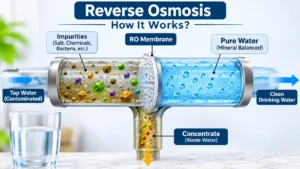
Reverse osmosis. RO pushes water through a semipermeable membrane that removes most dissolved solids, lead, and nitrates. Many systems add a remineralization stage, so you get clean water with calcium and magnesium back in it. For daily drinking, that’s usually a better fit than distilled water.
Bottled water. Labels like “purified” don’t tell you much. Check the brand’s water quality report and its source.
How to Make Distilled Water Healthier and Improve Taste
You can make distilled water healthier by reintroducing essential minerals through electrolyte drops, mineral packets, or natural additions. Adding mineral drops or a small pinch of Himalayan pink salt restores calcium, magnesium, and trace elements while eliminating the flat, bland flavor.
If you prefer distilled liquid for its pure base, remineralizing it balances taste and nutritional profile. Here are simple ways to enhance it:
- Add Mineral Drops: Liquid mineral concentrates containing ionic magnesium, calcium, and potassium raise TDS levels back to an optimal drinking range (around 100-300 ppm).
- Use a Pinch of Natural Salt: Adding a tiny pinch of unrefined sea salt or pink salt per gallon introduces sodium, trace minerals, and improves hydration efficiency.
- Fruit and Herb Infusions: Steeping fresh lemon slices, cucumber, or mint adds natural electrolytes while masking any flat taste.
- Remineralizing Pitchers: Pouring distilled fluid through a pitcher fitted with a remineralization cartridge adds healthy calcium and magnesium ions automatically.
Other Common Uses for Distilled Water
Sometimes distilled water belongs outside your glass. It’s a smart pick for:
- CPAP humidifiers (check your device manual first)
- steam irons and humidifiers
- car batteries and cooling systems
- aquariums, though fish may need added minerals
- mineral-sensitive houseplants
- cleaning glass without leaving spots
Mineral buildup damages many devices. Distilled water prevents it.
Final Thoughts
So, can you drink distilled water? Yes. It’s safe for most healthy adults, especially with a balanced diet. But it’s a clean slate, not a health upgrade. If you like it, enjoy it. If the taste bores you or the missing minerals worry you, better daily options exist.
If you want clean, great-tasting water at home, look intoWater Filtration Installation Services in Tracy, CA RO Water Filter System installs any brand or model of RO system, and you can ask about adding minerals back. Contact us to talk through what fits your home.
Frequently Asked Questions
Can babies drink distilled water?
Babies can drink distilled water in small amounts, but it shouldn’t be their main water. It lacks fluoride and minerals that growing bodies use. Tap or bottled water that meets safety standards is the usual choice for mixing formula. Ask your child’s doctor before switching, especially for infants under six months.
Is distilled water good for your kidneys?
Distilled water isn’t harmful to healthy kidneys, but it doesn’t protect them either. Some people with kidney disease follow strict mineral limits, and a nephrologist may suggest specific water. Don’t switch to distilled water for kidney health on your own. Ask your doctor what suits your condition.
Can distilled water make you sick?
Distilled water rarely makes healthy people sick. It’s free of most germs and contaminants. Problems come from poor storage, since an open or dirty container can let bacteria grow, or from relying on it while eating a mineral-poor diet. Store it sealed, in a clean container.
Is distilled water acidic?
Pure distilled water is neutral, with a pH near 7. Once it sits in an open container, it absorbs carbon dioxide from the air and turns slightly acidic, often around pH 5.5 to 6. That small change isn’t a health concern. Keep the lid on to limit it.
Does distilled water dehydrate you?
No, distilled water hydrates you just like any other water. Your body absorbs it the same way. The only catch is taste. If the flat flavor makes you drink less, you can end up under-hydrated. Add minerals or choose a water you enjoy so you drink enough.