
You turn on the shower and it smells like a public pool. Or you wipe the glass door for the third time this week and the white film is already coming back. That is usually when people start wondering whether a whole house setup is worth the money.
Quick Answer: So, are whole house water purification systems worth it? Yes, when your water is gritty or cloudy, smells like a swimming pool, or carries chemicals that irritate skin and hair or wear down plumbing and appliances. Probably not, when your city water already tests clean and all you want is a nicer glass to drink.
Below, you will find what these systems really do, what they cost, where they fall short, and a five-minute scorecard you can use at your kitchen table. RO Water Filter System installs treatment equipment across the Central Valley and Bay Area, so the advice here leans on what homeowners actually run into, not on a sales brochure.
What a Whole House Water Purification System Actually Does

A whole house system is installed where the main water line enters your home, which is why it is called a point-of-entry system. Every drop passes through it before reaching the shower, washing machine, water heater, and kitchen faucet.
Most setups are built in stages, and you only need the stages that match your water:
- Sediment filter: catches sand, rust flakes, and grit.
- Carbon filter: reduces chlorine, bad tastes, and many odors.
- Softener (optional): deals with the hardness minerals that cause scale.
- UV unit (optional): treats bacteria and viruses, which matters most on well water.
So water filtration for whole house use is not one product. It is a combination you assemble around your own test results.
Words matter here. Filtration removes particles and some chemicals. Purification suggests a wider goal, such as also dealing with germs. Plenty of products sold as purification systems are really filtration plus one extra stage, so read the specification sheet instead of the box. One edge case catches people out. Standard carbon handles free chlorine well, but chloramine, a chlorine and ammonia blend some utilities use, needs catalytic carbon or more contact time. Check which one your utility uses before you pick media.
Where You Will Actually Notice the Difference
The biggest change usually shows up in the bathroom. When the chlorine smell fades, showers feel less harsh, and many people find their skin and hair feel less dry. Results vary from person to person, so treat that as a likely upside, not a promise.
Laundry and plumbing come next. A sediment stage keeps grit and rust flakes out of washing machine hoses, faucet aerators, and the water heater, which means fewer clogged screens and less wear on moving parts. Taste improves too, because carbon takes out the bleach-like flavor in coffee and ice cubes.
Now the part brochures skip. A filter alone does not remove calcium and magnesium, so white scales on glass and fixtures will not disappear without a softener. It also does not replace a drinking water filter if your concern is something like fluoride or certain metals. Knowing what a system will not fix is half the value of the purchase.
What It Really Costs (Install, Filters, Yearly Upkeep)
Equipment is commonly quoted from around $300 to well over $2,000, with installation billed on top. Prices swing with brand, home size, and how much plumbing work is needed, so always get a written quote that separates equipment, labor, and first-year supplies.
| System type | Upfront cost | Ongoing upkeep | Effect on water bill |
| Sediment plus carbon | Lower end of the range | Cartridges or media, commonly every 6 to 12 months | Little to none |
| Filter plus softener | Middle of the range | Salt and occasional service | Small, since regeneration uses water |
| Filter plus UV | Middle to higher | Lamp replacement, often yearly | None |
| Whole house reverse osmosis | Highest | Membrane and pre-filter service | Noticeable, because RO sends wastewater to the drain |
These are typical patterns, not quotes for your home. Replacement schedules depend on how dirty your water is and how much your household uses.
So is a whole house water filtration system worth it on cost alone? Compare it with what you already spend: bottled water, replacement shower heads, descaling products, and early appliance repairs. Count only what you can actually point to. Savings you imagine do not pay for equipment.
When It Is Not Worth It
Do I need a whole house water filter if my water is fine? Often, no. These are the cases where it rarely pays off:
- You rent. Whole house units tie into the main line, which usually needs landlord approval and leaves the equipment behind when you move.
- Your water already tests clean. If the utility report and a basic home test show nothing you want removed, you would be paying to treat a problem you do not have.
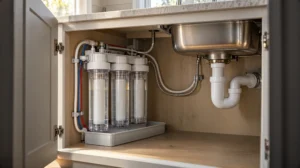
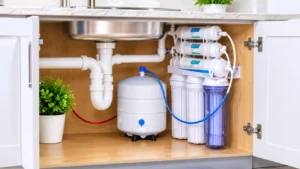
- You only care about drinking water. Are water filters worth it in that case? Yes, but a smaller under-sink or countertop unit delivers most of the benefit for far less money.
- Your budget is tight and the issue is cosmetic. A shower filter or a single point-of-use unit can be a sensible first step while you save.
Walking away from a sale is not a failure. A good installer would rather tell you to wait than put a system in your garage that solves nothing.
City Water vs Water Well: Does the Answer Change?
It changes a lot. The question of are whole house water purification systems worth it has two very different answers depending on where your water comes from.
City water
Your utility treats and tests the supply, and it must send customers a Consumer Confidence Report every year, due by July 1. Read yours. It lists detected contaminants and often the disinfectant used. On city water, the usual reasons to treat everything are chlorine or chloramine taste, hardness, and sediment from aging mains.
One thing a whole house filter will not fix is lead that leaches from old pipes inside your home after the water has already passed the filter. If lead is the worry, a certified point-of-use filter at the tap is the better tool.
Well water
Private wells are not regulated by the EPA, so testing is the owner’s job. Bacteria, nitrates, iron, sulfur, and arsenic can all show up depending on the area, and each one needs a different fix. Iron and sulfur call for specific media, while a UV unit handles microbes. This is where the answer to do I need a whole house water filter is almost always yes, but what kind depends entirely on a lab report. Test first, shop second.
Whole House System vs Under-Sink RO for Drinking Water
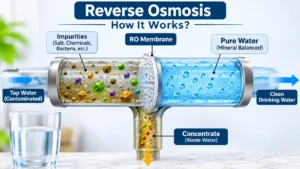
They do different jobs. A whole house unit treats a large volume of water to a good-enough level for showers, laundry, and appliances. A reverse osmosis unit treats a small amount of water to a much higher level for drinking and cooking. No single water home filter system does both well, which is why many households end up running the two together. If you want the full comparison, read our guide on whole house filter vs reverse osmosis.
When you shop, look for NSF/ANSI certification on the exact model. Standard 42 covers aesthetic effects such as chlorine taste and odor, Standard 53 covers health-related contaminants, and Standard 58 covers reverse osmosis systems. A claim on the box is not the same as a certified listing.
Hard Water and Water Quality in Tracy and the Central Valley
Homes across the Central Valley and Bay Area do not all drink the same water. Supply sources and treatment differ between Tracy, Manteca, Modesto, and Livermore, so a neighbor’s experience does not always match yours. Hardness comes up often in this region, and it is the reason many homeowners pair a filter with a softener.
Start with your utility’s Consumer Confidence Report, then run a simple hardness strip at home. If you would like a local installer to review the results, you can see what we offer on our Water Filtration System Tracy CA page. Bring the report, and skip any recommendation that does not start from your actual numbers.
The 5-Minute “Worth It” Scorecard
Give yourself one point for every yes.
| # | Question |
| 1 | Do you see white scale or spots on glass, fixtures, or dishes? (This points to a softener stage, not a filter alone.) |
| 2 | Does your shower or tap water smell like chlorine or sulfur? |
| 3 | Are you on a private well? |
| 4 | Do you find sediment, rust stains, or clogged faucet screens? |
| 5 | Does anyone in the house have skin or a scalp that seems to react to shower water? |
| 6 | Do you plan to stay in the home for several more years? |
| 7 | Do you own the home and can you change the plumbing? |
| 8 | Has a water test or your utility report shown something you want to reduce? |
| Score | Verdict | What to do |
| 6 to 8 | Strong yes | Treatment will likely pay off. Test your water and size a system. |
| 3 to 5 | Test first | Get a lab or utility report before spending anything. |
| 0 to 2 | Skip for now | Use a point-of-use filter for drinking water if you want one. |
The scorecard will not settle are whole house water purification systems worth it for every home, but it shows you which side you lean toward before anyone hands you a quote.
Mistakes to Avoid Before You Buy
- Buying before testing. The right equipment follows the test, never the other way round.
- Ignoring flow rate. Systems are rated in gallons per minute. Add up what can run at once, such as a shower, dishwasher, and laundry, then size above that. An undersized unit is the usual reason for weak pressure.
- Judging by sticker price. Ask what cartridges, salt, and lamps cost each year. Two systems with similar prices can have very different running costs.
- Skipping the bypass valve. Without one, changing a cartridge means shutting off water to the whole house.
- Forgetting maintenance. A clogged sediment filter chokes flow, and spent carbon quietly stops working. Neither one announces itself.
- Expecting one tank to fix everything. Scale, drinking water concerns, and germs each need their own stage.
You may also read: What Is the Best Water Filtration System for Home
What Professional Installation and Maintenance Look Like
RO Water Filter System installers start by locating the main shutoff, checking incoming pressure, and choosing a spot near the main line with enough room to change cartridges later, often a garage wall or a side yard. The unit goes in before the water heater so the whole house is covered, with a bypass valve and a leak test before anything is called finished.
Timing depends on the plumbing. A simple setup can often be finished in about half a day, while add-on stages or tight spaces take longer. Afterward, write the install date on every cartridge, put replacement dates on your calendar, and book a yearly check. Standard filters often need attention every 6 to 12 months, and dirtier water means sooner.
Final Thoughts
So, are whole house water purification systems worth it? For homes with well water, gritty or chlorine-heavy tap water, or a family that notices the effects in the shower and laundry, yes, treating the water where it enters the house usually makes sense. For clean city water and a simple wish for better drinking water, a smaller filter is the smarter spend. Is a whole house water filtration system worth it for you? Your scorecard result and a real water test will tell you more than any sales pitch.
If you want a second opinion, contact RO Water Filter System and bring your water report.
FAQs
Does a whole house system make tap water safe to drink?
Not by itself. Water filtration for whole house use is built to improve everyday water, and it may not target every health-related contaminant. If drinking safety is your goal, add a certified point-of-use filter and base your choice on a test report.
How long do these systems last?
It depends on the system type, your water quality, and how well it is maintained. Tanks and housings can serve for years, while cartridges and media are supplies you replace on a schedule. Ask for the manufacturer’s stated service life in writing before you buy.
Will it reduce my water pressure?
A correctly sized unit with clean cartridges should barely change pressure. Trouble starts when the system is too small for your household’s peak demand or when filters are overdue for replacement. That is why flow rate and maintenance matter more than the brand on the housing.
Can I install one in a rental?
Usually only with the landlord’s written permission, since the unit ties into the main line and becomes part of the plumbing. For renters, are water filters worth it in smaller forms? Yes, a shower or under-sink filter can move with you.
Do I still need an under-sink filter if I have a whole house system?
Often yes, if you want higher-grade drinking water. A water home filter system at the main line is tuned for volume, while an under-sink unit is tuned for taste and tighter contaminant reduction at the tap. Check certifications to see what each one actually covers.