You got a reverse osmosis system. Your water tastes clean. It’s clear. No smell. But somewhere along the way, someone told you that drinking RO water long term might not be good for you. Maybe they said it strips out minerals your body needs. Maybe you read something about low pH or demineralized water being harmful.
So now you’re second-guessing. And you just want a straight answer. At RO Water Filter System, we hear this concern almost every week. The honest answer is this: is RO water safe to drink long term depends on one thing, and one thing only. Whether or not you’re getting your minerals from your diet. That’s it. Let’s break it all down.
What RO Water Actually Is (And What It Isn’t)
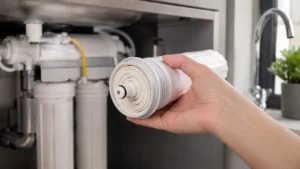
Reverse osmosis pushes tap water through a semi-permeable membrane under pressure. That membrane has pores small enough to block bacteria, heavy metals, nitrates, chloramines, fluoride, PFAS, and total dissolved solids (TDS). What comes out the other side is purified water. Very clean. Very little in it.
That includes minerals. Calcium, magnesium, potassium. The reverse osmosis process doesn’t know the difference between a harmful contaminant and a beneficial mineral. It removes both.
This is the core of the whole debate.
What Gets Removed and What Stays
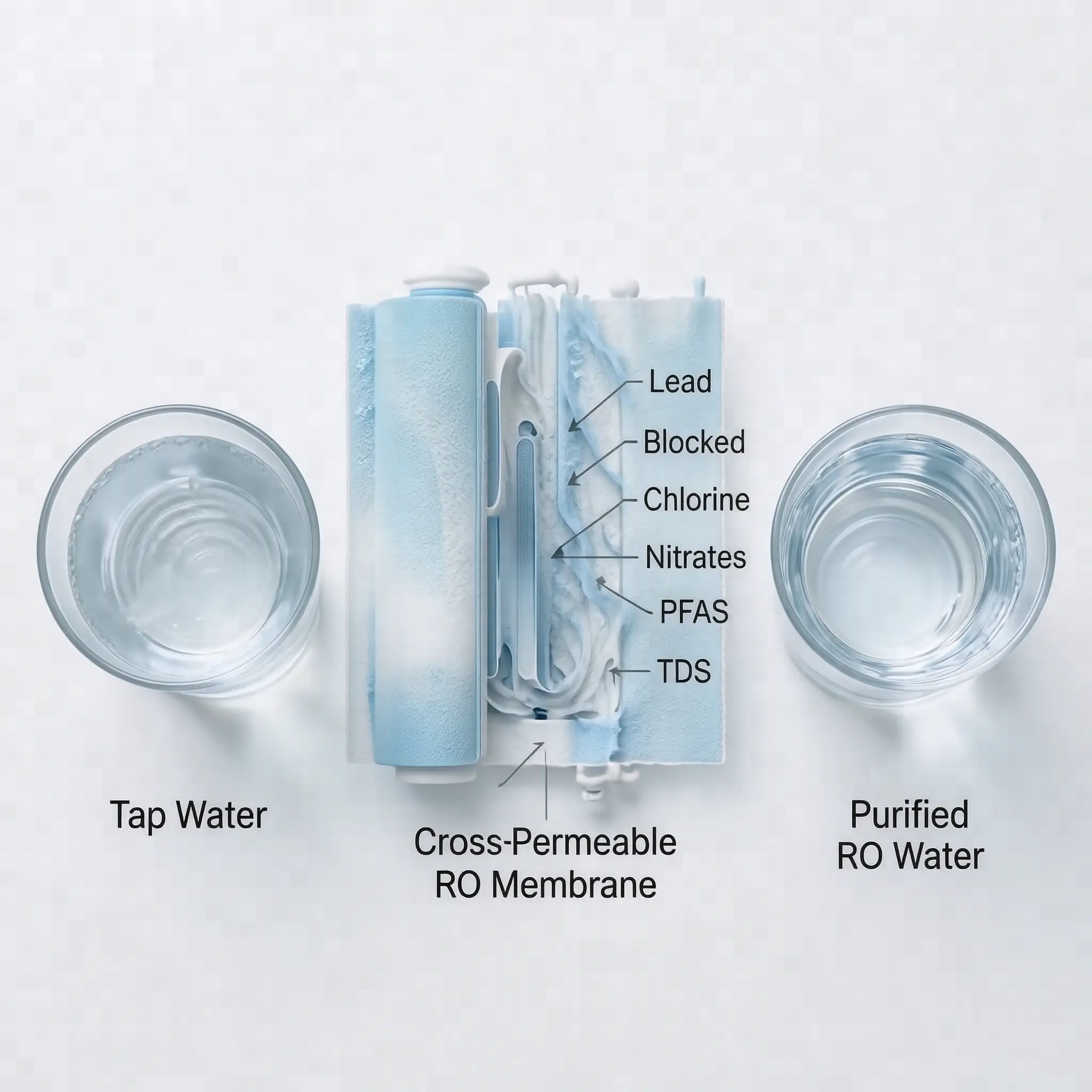
A properly functioning RO system will remove:
- Lead, arsenic, chromium-6
- Nitrates and nitrites
- Chlorine and chloramines
- PFAS and PFOA
- Bacteria and some viruses (depending on membrane quality)
- Up to 95–99% of total dissolved solids
What it doesn’t remove in meaningful amounts:
- Dissolved oxygen
- Gases like CO2 (though pH can drop slightly as a result)
The purified water you get is clean. Genuinely clean. The question is only about minerals.
Is RO Water Safe to Drink Long Term?
Yes. For most people. With one condition.
The World Health Organization has raised concerns about long-term consumption of demineralized water when it’s the primary source of mineral intake. Their concern isn’t that the water is toxic. It’s that if someone has a poor diet And drinks water completely stripped of minerals, over time they could develop low calcium or magnesium levels.
But here’s the part most articles leave out: water was never your primary source of minerals anyway.
A glass of milk has more calcium than 100 liters of most tap water. A handful of almonds has more magnesium than you’d drink in a week. If you eat a reasonably balanced diet, including vegetables, dairy, nuts, or even fortified foods, the minerals removed by your RO system are not going to cause a deficiency.
The concern is real. But it applies to a narrow group: people with very poor diets who drink large volumes of highly demineralized water daily over years. That’s not most homeowners.
When Mineral Loss Becomes a Real Concern
There are situations where you should pay closer attention.
Children and Developing Bodies
Kids need consistent calcium and magnesium for bone development. If your family relies heavily on reverse osmosis water and your children’s diets are low in dairy, leafy greens, or fortified foods, it’s worth thinking about mineral intake. Not panic. Just awareness.
People on Restricted Diets
Vegans, people with certain food allergies, or anyone on a medically restricted diet may already have lower mineral intake. Adding a high volume of low-TDS purified water into that picture is worth discussing with a doctor.
High-Volume Water Drinkers
Fitness-focused individuals who drink 3 to 4 liters of water a day are consuming a larger volume of demineralized water. Not dangerous on its own. But combined with heavy sweating and low food-based mineral intake, electrolyte balance matters more.
Is Reverse Osmosis Water Safe to Drink for the Average Homeowner?
Yes. Is reverse osmosis water safe to drink for someone eating normal meals? Absolutely. The evidence does not support the idea that RO water causes mineral deficiency in people with a balanced diet. Multiple studies, including research published in peer-reviewed public health journals, confirm that dietary intake is the dominant factor in mineral status, not drinking water TDS.
The fear comes from misreading WHO guidance. The WHO flagged concerns about highly demineralized water prepared for medical or industrial use, not regular household filtered water used alongside normal eating.
The Simple Fix: Remineralization
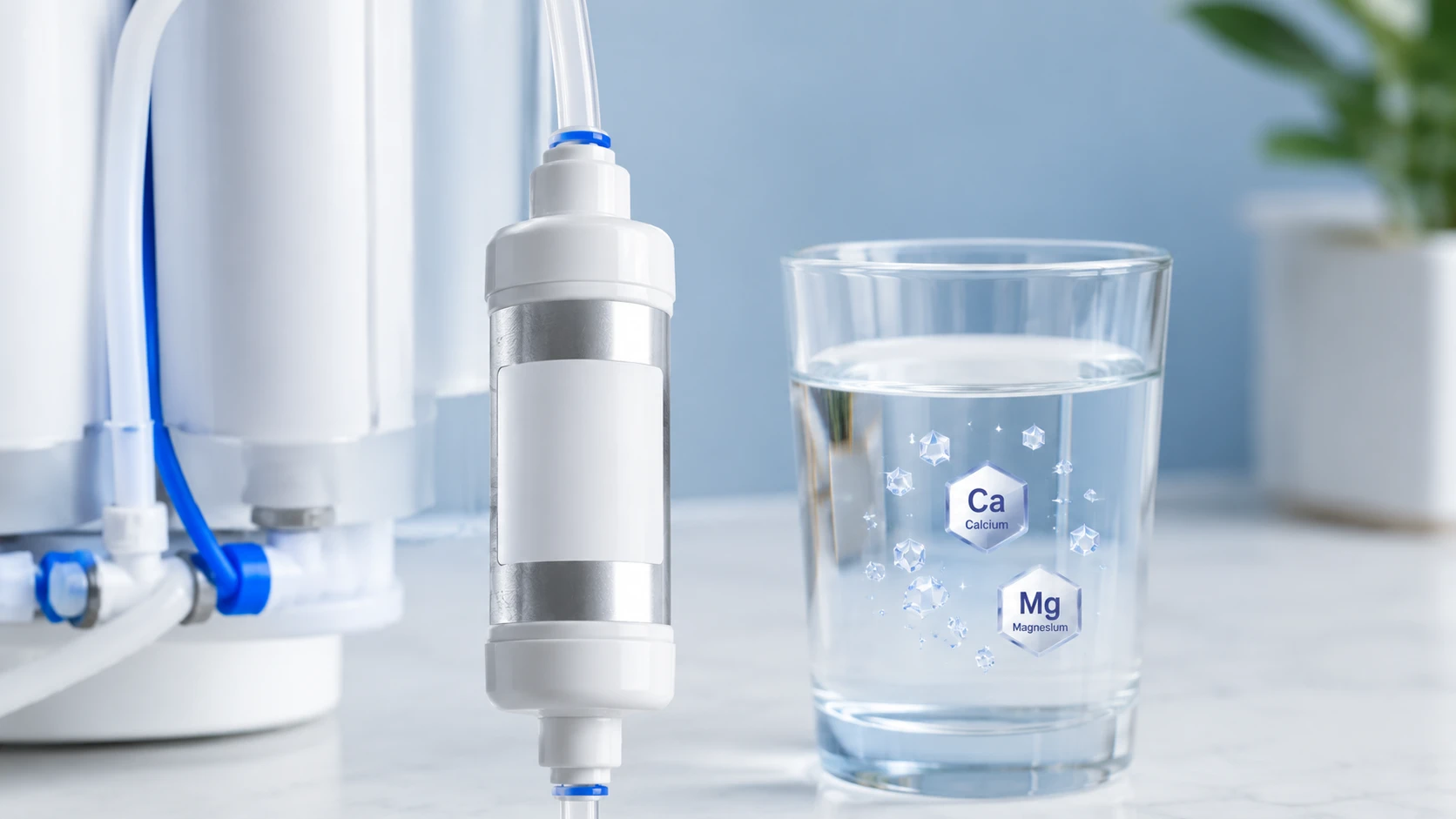
If you’re still not comfortable, or if you fall into one of the groups above, there’s a straightforward solution.
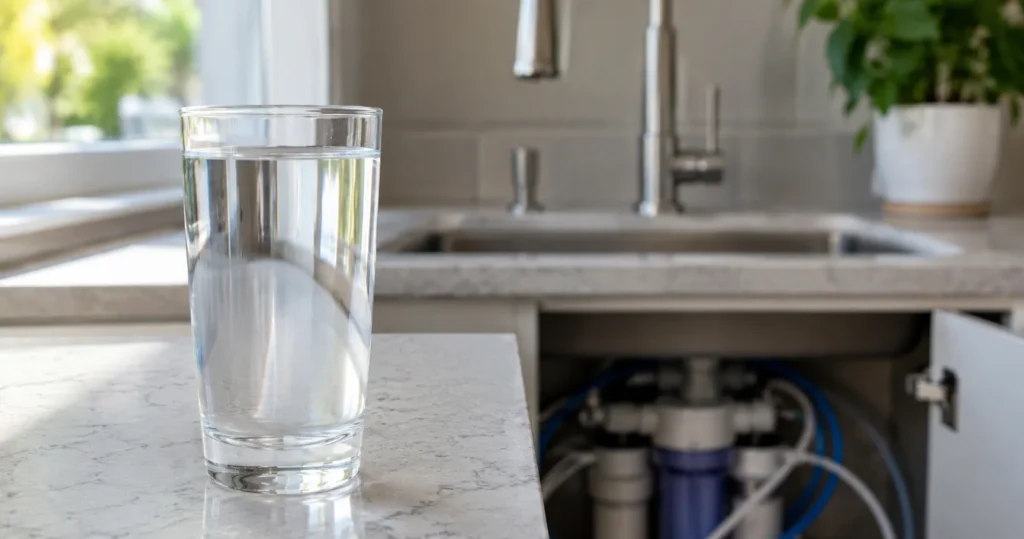
A remineralization filter adds calcium and magnesium back into your RO water after purification. It’s a small post-filter stage, usually added right before your drinking tap. It raises the pH slightly (making the water less acidic) and puts back the trace minerals the membrane removed.
Many quality RO systems already include this stage. If yours doesn’t, it can be added easily. You can read more about how this works in our guide on how to remineralize reverse osmosis water.
This approach gives you the best of both worlds. Contaminants out. Minerals back in.
Is It Safe to Drink RO Water Without a Remineralization Stage?
For most adults eating a normal diet: yes. Is it safe to drink RO water every day without added minerals? The research says it’s not a problem for healthy people with adequate food intake.
But comfort matters. If you’re going to feel better adding a remineralization stage, do it. It costs very little. And the peace of mind is worth it.
What About pH?
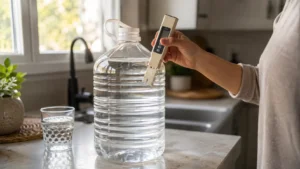
RO water tends to have a lower pH than tap water, typically between 5.5 and 7.0. Some people worry this makes it too acidic.
Here’s the thing. Your stomach acid sits around pH 2. Your body neutralizes the pH of everything you drink almost immediately. Drinking slightly acidic water does not make your body more acidic. That’s not how human physiology works.
RO water ph value for taste reasons, a remineralization filter solves it naturally.
Is RO Water Good to Drink Compared to Other Water Options?
Let’s be direct. Is RO water good to drink? Yes, it’s one of the cleanest drinking water options available to homeowners. Compared to:
- Tap water: RO removes far more contaminants, including chloramines, heavy metals, and PFAS that tap water often still contains
- Bottled water: RO is cheaper per gallon, avoids plastic waste, and is often more strictly filtered
- Water softeners alone: Softeners exchange calcium and magnesium for sodium. They don’t remove contaminants the way a reverse osmosis system does
- Basic carbon filters: These improve taste but don’t address heavy metals, nitrates, or dissolved solids at the same level
For homeowners using water purification system in Tracy, CA where tap water carries chloramines and elevated TDS from the local water supply, an RO system is one of the most practical and thorough options available.
Is Reverse Osmosis Water Good to Drink During Pregnancy?
This comes up often. Is reverse osmosis water good to drink while pregnant? The contaminant removal is actually a major advantage. Removing lead, nitrates, chloramines, and PFAS is especially important during pregnancy. The mineral concern can be addressed through prenatal vitamins and diet. Talk to your OB about water quality if you have concerns, but the filtration benefits generally outweigh the mineral tradeoff for pregnant women eating a healthy diet.
Conclusion
So is RO water safe to drink long term? For the vast majority of people, yes. The research supports it. The concern about mineral loss is real but manageable, especially if you eat a balanced diet or add a remineralization stage to your system. Contaminant removal is the bigger story here. The fact that an RO system pulls out PFAS, lead, nitrates, and chloramines is a genuine health benefit that most people underestimate.
Clean water matters. And a well-maintained reverse osmosis system delivers exactly that. If you’re in the Tracy California or surrounding area and want help choosing the right setup for your home, RO Water Filter System is ready to help. Contact us today to find the system that fits your water quality, your household size, and your long-term health goals.
FAQs
Does RO water cause mineral deficiency?
Not for most people. The minerals removed by a reverse osmosis system are a small fraction of your total daily intake. As long as you eat a reasonably balanced diet with vegetables, dairy, or other mineral-rich foods, you won’t develop a deficiency from drinking RO water.
Is it safe to drink RO water every day?
Yes. Daily consumption of purified water from a reverse osmosis system is safe for healthy adults and children eating normal diets. If you want extra assurance, adding a remineralization filter restores calcium and magnesium after filtration.
Does RO water affect pH levels in the body?
No. Your body regulates its pH tightly regardless of what you drink. The slightly lower pH of RO water (usually 5.5 to 7) is neutralized almost immediately by your digestive system. It does not acidify your blood or tissues.
Should I add minerals back to my RO water?
It depends on your situation. If you eat well, it’s not necessary. If you have children, follow a restricted diet, or just want peace of mind, a remineralization filter is an easy and affordable addition that improves both taste and mineral content.
Is RO water better than bottled water?
In most cases, yes. A home reverse osmosis system filters water to a comparable or higher standard than most bottled water, at a fraction of the per-gallon cost and without the plastic waste. You also have full visibility into your filter maintenance, which you don’t get with bottled water.