You just got a reverse osmosis system. The water tastes cleaner, smells better, and you feel good about what your family is drinking. Then someone tells you the RO water pH level is low. Suddenly, you’re down a rabbit hole of forums, alkaline water ads, and conflicting advice.
Here’s the truth: most of what you’ll read out there is either incomplete or quietly trying to sell you something. At RO Water Filter System, we’ve been asked about pH more times than we can count. So let’s break it down the right way.
What Is RO Water pH Level and Why Does It Drop?
The RO water pH level typically ranges from 5.5 to 7.0. That’s slightly acidic compared to pure neutral water at 7.0. But it’s not a flaw in your system. It’s just chemistry.
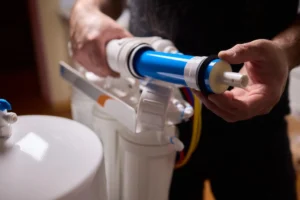
Here’s what happens inside your RO unit:
- The membrane removes dissolved minerals like calcium, magnesium, and bicarbonates
- Those bicarbonates act as a natural buffer, keeping pH stable
- Without them, the water becomes “soft” and slightly acidic
- Carbon dioxide from the air dissolves into the purified water, forming carbonic acid, which pulls pH down further
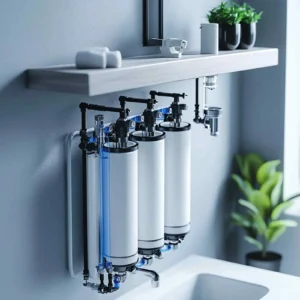
So the same filtration that removes contaminants also removes the minerals that would otherwise keep pH closer to neutral. It’s a trade-off built into how reverse osmosis works. If your current system doesn’t have one, it may be worth looking at what’s available through a full Water Purification System in Tracy, CA.
Is Low RO Water pH Actually a Health Risk?
Short answer: for most people, no.
The EPA’s secondary drinking water standards list the acceptable pH range as 6.5 to 8.5. RO water often sits just below that at 5.5 to 6.5. That’s worth knowing, but it’s not a reason to panic.
Think about what else you drink daily:
|
Beverage |
Approximate pH |
| Black coffee |
4.5 to 5.0 |
|
Orange juice |
3.5 to 4.0 |
| Fruit juice |
2.9 to 3.5 |
|
Bottled water |
6.5 to 7.5 |
| RO water |
5.5 to 7.0 |
|
Tap water |
6.5 to 8.5 |
Your stomach acid sits around 1.5 to 3.5 pH. It neutralizes most of what you drink almost immediately. The idea that slightly acidic water from an RO system will disrupt your body’s pH balance doesn’t hold up to scrutiny. Your body tightly regulates blood pH on its own.
That said, there are specific situations where raising the pH makes sense. We’ll get to those. Most quality RO systems, including the 5-Stage Water Filtration System setups, can be upgraded with a remineralization stage.
Who Should Pay Attention to the pH of Reverse Osmosis Water?
Most healthy adults drinking RO water with a balanced diet have nothing to worry about. But these groups may want to think more carefully:
People with Acid Reflux or GERD
If you already deal with acid reflux, drinking water with a lower pH can sometimes aggravate symptoms. It won’t cause GERD, but it might add to discomfort. A remineralization filter or alkaline cartridge is a reasonable adjustment here.
Infants and Young Children
Babies fed formula mixed with RO water are getting very pure, low-mineral water. Some pediatric guidelines suggest water used for infant formula should be closer to neutral pH and contain trace minerals. If you’re a parent in this situation, it’s worth discussing with your pediatrician.
People on Specific Medical Diets
Certain kidney conditions or post-surgical diets restrict mineral intake carefully. In those cases, the mineral content of your water actually matters and your doctor should guide that conversation.
For everyone else? The pH of reverse osmosis water is a manageable characteristic, not a danger.
How to Test Your RO Water pH at Home
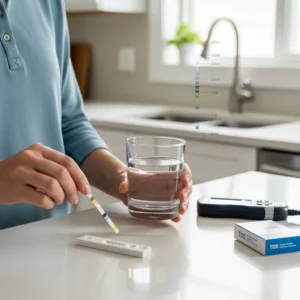
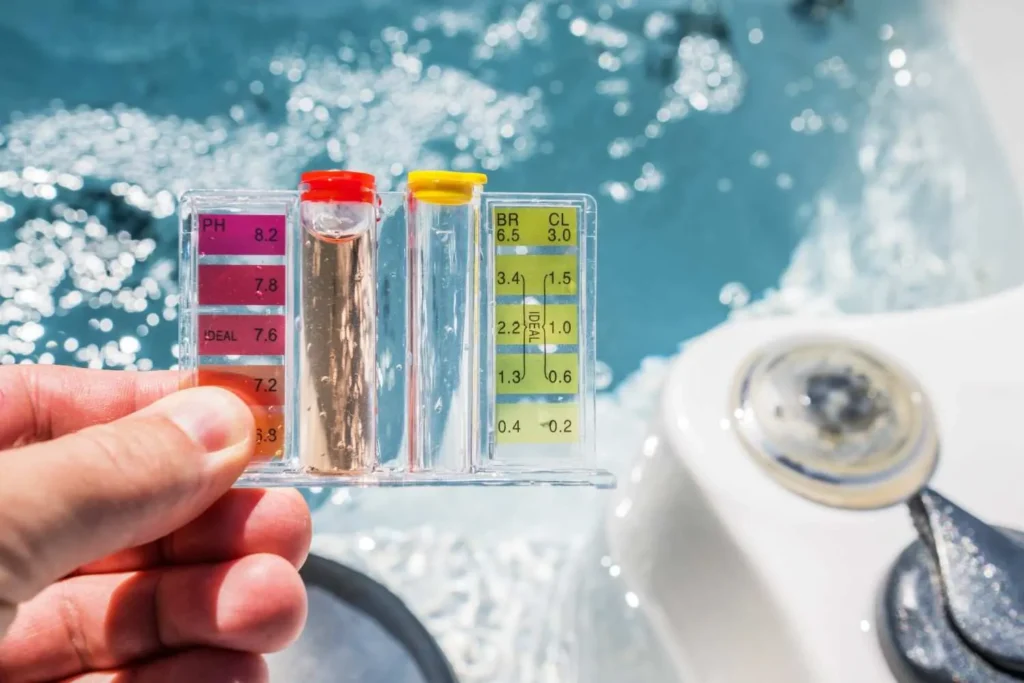
You don’t need a lab. A basic TDS meter will tell you the dissolved solids, and a simple pH test kit or digital pH pen (available online for under $20) gives you a reliable reading.
Here’s how to do it:
- Run your RO tap for 30 seconds to flush stale water from the line
- Fill a clean glass and let it sit for 2 minutes (allows dissolved CO2 to stabilize)
- Dip your pH test strip or probe into the water
- Read the result and compare to the 6.5 – 8.5 EPA range
If you’re consistently seeing readings below 6.0, that’s worth addressing. Anywhere from 6.0 to 7.0 is common and generally safe for healthy adults.
How to Raise the pH of RO Water: Your Real Options
If you want to bring your reverse osmosis water pH closer to neutral or slightly alkaline, you have a few practical paths.
1. Remineralization Filter (Best Option)
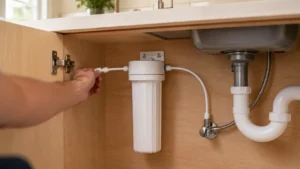
A post-filter remineralization cartridge adds back calcium, magnesium, and potassium after the RO membrane does its work. This raises pH naturally and improves the water’s taste. It’s the most balanced solution because you’re not just raising pH artificially, you’re restoring what was removed.
For a deeper dive into this process, see: How to Remineralize Reverse Osmosis Water at Home.
2. Alkaline Filter Cartridge
These cartridges use materials like calcite or corosex to raise pH. They work, but the effect can be inconsistent depending on flow rate and how often the media is replaced. Better than nothing, but a true remineralization filter gives more predictable results.
3. Adding Mineral Drops
Some people add trace mineral drops to their RO water. It works in a pinch and gives you control over the amount. The downside is you need to remember to do it every time and the mineral profile is less natural than a filter-based approach.
4. Blending with Tap Water
Some whole-house setups blend a small portion of tap water with the RO permeate to restore mineral content and raise pH. This is used more in commercial water treatment but is occasionally practical for home systems with the right setup.
The honest recommendation: a remineralization filter is the cleanest, most consistent fix. It adds minerals back in proportions your body recognizes, improves flavor, and brings pH into a comfortable range without any daily effort on your part.
What About Alkaline Water? Is It Better Than RO?
Alkaline water has been heavily marketed as a health upgrade. The claims include better hydration, anti-aging benefits, and improved athletic performance. Most of these are not backed by strong clinical evidence.
The Mayo Clinic and other medical sources are clear: there’s not enough research to confirm the health claims made by alkaline water brands. If you prefer the taste of higher-pH water, that’s fine. But paying a premium for bottled alkaline water when you already have an RO system doesn’t make scientific sense.
Remineralizing your RO water gets you similar pH levels, better mineral balance, and costs a fraction of what bottled water does long term.
Does Low pH Water Damage Your Pipes or System?
This is a real, practical concern that most articles skip over. Slightly acidic water is more aggressive toward copper pipes and certain metal fittings than neutral water is. Over the long term, consistently low-pH RO water running through copper plumbing can accelerate corrosion, which can actually introduce trace metals into your drinking water.
This is another good reason to consider remineralization if you have copper pipes in your home. Raising pH to the 7.0 to 7.5 range makes the water more stable and less reactive with your plumbing materials.
The Bottom Line on RO Water pH
Your RO system is doing exactly what it was designed to do. The lower RO water pH level is a side effect of excellent filtration, not a sign that something is wrong. For most people drinking a balanced diet, it’s not a health concern.
But if you have young children, acid-related conditions, or older copper plumbing, bringing the pH up with a remineralization filter is a practical, affordable upgrade. You’ll also notice the water tastes noticeably better with those trace minerals restored.
If you’re unsure whether your current system is set up correctly for your household’s needs, RO Water Filter System can help you evaluate your options. Don’t guess on something this important. Get a clear answer based on your actual water and your actual home.
FAQs
Is RO water too acidic to drink?
No. Most reverse osmosis water remains within a safe drinking range. A slightly lower pH does not automatically make the water harmful.
What is the ph of ro water after filtration?
Most systems produce water between pH 5.5 and 7.0. The exact reading depends on source water conditions and system design.
Why is the ph of reverse osmosis water lower than tap water?
Reverse osmosis removes minerals that help stabilize pH. The purified water can also absorb carbon dioxide from the air, which lowers pH slightly.
How can I raise the pH of RO water naturally?
Installing a remineralization filter is the most effective solution. It adds beneficial minerals while increasing pH and improving taste.
Should I choose alkaline water instead of standard RO water?
That depends on your preference. Many homeowners enjoy alkaline water, but standard reverse osmosis water is already considered safe to drink when properly filtered.