
Yet in some water supplies, it may be present at levels that raise real health concerns over time. That’s why many homeowners start researching a reverse osmosis filter for arsenic after reviewing a water quality report or noticing recommendations from local testing agencies.
RO Water Filter System understands that choosing a filtration system isn’t just about cleaner water. It’s about confidence every time you fill a glass or cook a meal. The good news is that reverse osmosis technology has become one of the most trusted methods available for reducing arsenic when the system is properly designed, installed, and maintained.
What Makes Arsenic a Concern in Drinking Water?
Arsenic is a naturally occurring element found in rocks and soil. As groundwater moves through these formations, small amounts can dissolve into the water supply. Industrial activities and historical agricultural practices may also contribute in certain regions.
Long-term exposure has been linked to serious health concerns, making regular testing especially valuable for households using private wells.
Some warning signs include:
- Water test reports showing elevated arsenic levels
- Homes supplied by private wells
- Areas with naturally occurring mineral deposits
- Purchasing an older property without recent water quality testing
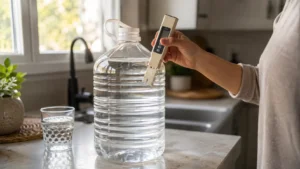
The challenge is simple: arsenic has no obvious taste or odor, so laboratory testing remains the only reliable way to confirm its presence.
Reverse Osmosis Filter for Arsenic: How Does It Work?
A properly designed reverse osmosis filter for arsenic uses pressure to push water through a semi-permeable membrane with microscopic pores around 0.0001 micron in size. Those pores allow water molecules to pass while rejecting many dissolved contaminants.
The typical filtration process includes:
- Sediment filtration removes dirt and larger particles.
- Carbon filters reduce chlorine that could damage the RO membrane.
- The RO membrane performs the primary contaminant reduction.
- A post-carbon filter improves taste before dispensing.
- Some systems include a remineralization stage for balanced flavor.
This multi-stage approach helps reduce Total Dissolved Solids (TDS), heavy metals, and many unwanted contaminants while producing cleaner drinking water. Within the industry, RO Water Filter System continues to focus on practical solutions that match real household water conditions rather than one-size-fits-all recommendations.
Does Reverse Osmosis Remove Arsenic?
One of the most common questions homeowners ask is: does reverse osmosis remove arsenic?
The answer is yes, but performance depends on the type of arsenic present and the quality of the system. Reverse osmosis is highly effective for reducing arsenic when combined with proper pre-filtration and routine maintenance.
Performance is strongest when:
- The membrane remains in good condition.
- Filters are replaced on schedule.
- Water pressure stays within recommended ranges.
- The system is matched to the home’s water chemistry.
Testing after installation also helps verify that the filtration system is delivering the expected results.
Understanding Arsenic Water Treatment Options
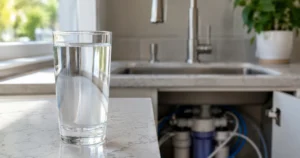
Not every home requires the same solution. Arsenic water treatment can range from point-of-use filtration under the kitchen sink to whole-house treatment systems for properties with widespread contamination concerns.
For drinking and cooking water, reverse osmosis is often preferred because it provides targeted purification where it matters most.
Other technologies may include:
- Activated alumina media
- Anion exchange systems
- Specialized adsorption filters
- Whole-house treatment units for severe contamination
Each option has advantages depending on water chemistry and household needs.
Signs You May Need Arsenic Water Treatment Systems
Many families only discover contamination during a home inspection or annual well test.
You should consider evaluating arsenic water treatment systems if:
- Your private well has never been tested.
- Local reports indicate naturally occurring arsenic.
- You’re buying a rural property.
- Family members have concerns about long-term drinking water quality.
- Previous filtration only addresses chlorine or sediment.
Testing first prevents unnecessary purchases and helps identify the most effective treatment approach.
Can Reverse Osmosis Remove Arsenic Better Than Other Filters?
Basic carbon pitchers and faucet filters improve taste, but they generally are not designed for significant arsenic reduction.
A quality reverse osmosis system provides:
- Multi-stage filtration
- Significant TDS reduction
- Heavy metal reduction capability
- Consistent performance with proper maintenance
- NSF/ANSI 58 certified models available for verified contaminant reduction
For many households, this makes RO one of the most practical point-of-use solutions available.
Choosing the Right System
When comparing systems, don’t focus only on the number of stages.
Instead, look for:
- NSF/ANSI 58 certification
- High-quality RO membrane
- Easy filter replacement schedule
- Reasonable water waste ratio
- Reliable manufacturer support
- Compatibility with your home’s water pressure
A properly sized under sink RO membrane filter often provides better long-term value than oversized systems filled with unnecessary stages. Many homeowners also upgrade to a 6-Stage Water Filtration System in Tracy, CA when they want additional protection beyond basic reverse osmosis.
Maintenance Matters More Than Marketing
Even the best equipment loses effectiveness without maintenance.
A typical schedule includes:
- Sediment filter replacement every 6 to 12 months
- Carbon filter replacement every 6 to 12 months
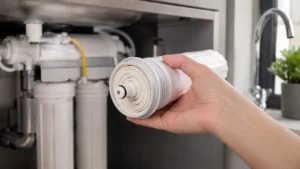
- RO membrane replacement every 2 to 5 years depending on water quality
- Regular sanitization during service visits
Ignoring maintenance can reduce contaminant removal performance and shorten membrane life.
Common Mistakes When Trying to Remove Arsenic From Water
Many homeowners spend money on filtration products that aren’t designed for arsenic reduction. The label may promise cleaner water, but that doesn’t always mean it can remove arsenic from water effectively.
Watch out for these common mistakes:
- Buying a basic carbon pitcher and expecting arsenic removal
- Skipping a professional water test before choosing a system
- Ignoring the filter replacement schedule
- Choosing the cheapest membrane without checking certifications
- Installing an undersized unit for a large household
- Assuming all reverse osmosis systems perform the same
A little research upfront can save hundreds of dollars and provide better long-term protection.
Under Sink or Whole House: Which Is Better?
The right solution depends on how you use your water.
Under Sink Reverse Osmosis
For most families, an under sink RO system offers an excellent balance between cost and performance.
Advantages include:
- Treats water used for drinking and cooking
- Lower installation cost
- Less maintenance than whole-house systems
- Excellent contaminant reduction
- Compact footprint for modern kitchens
If your main concern is safe drinking water, this option is often enough.
Whole House Arsenic Treatment
Some properties need filtration at every tap.
A whole-house system may be appropriate when:
- Arsenic levels are consistently high throughout the supply
- Water is used for commercial purposes
- Additional contaminants require centralized treatment
- Multiple occupants consume untreated tap water regularly
Professional water testing helps determine whether point-of-use or whole-home treatment makes more sense. If testing confirms arsenic concerns, learning more about a water filter to remove arsenic can help you compare treatment options before making a final decision.
What to Expect From Daily Operation
Many people worry that reverse osmosis systems are difficult to own. In reality, once installed correctly, they require very little day-to-day attention.
You’ll typically notice:
- Cleaner tasting water
- Reduced mineral content
- Better coffee and tea flavor
- Less buildup in kettles and ice makers
- Improved confidence in your drinking water
Modern tank less systems can also save space while providing steady flow rates for busy households.
Water Quality
Homeowners in Tracy and nearby communities often rely on municipal supplies, but some surrounding properties use private wells where water chemistry can vary significantly.
If you’re moving into a new home or upgrading an older filtration system, testing before installation is always the best first step. Knowing exactly what’s in your water helps you choose equipment that matches your needs instead of paying for features you may never use.
Professional Installation Makes a Difference
Even the highest-quality membrane can’t perform properly if the system is installed incorrectly.
A professional installation helps ensure:
- Correct water pressure
- Leak-free connections
- Proper drain configuration
- Accurate flow restriction
- Maximum membrane efficiency
For homeowners planning a new installation, Professional RO System Installation in Tracy, CA provides expert guidance that helps the equipment operate as designed from day one.
Conclusion
Choosing the right reverse osmosis filter for arsenic starts with understanding your water, not guessing. A certified reverse osmosis system with proper maintenance can provide dependable contaminant reduction and peace of mind for years to come. Pairing the right equipment with routine testing gives you confidence that your family is drinking safer water every day.
If you’re ready to improve your home’s water quality, RO Water Filter System can help you evaluate your needs, recommend the right filtration approach, and provide professional installation support. Whether you’re comparing options or looking to upgrade an existing system, taking action today is the first step toward cleaner, healthier drinking water.
FAQs
Can a reverse osmosis filter remove all types of arsenic?
Reverse osmosis is highly effective at reducing many forms of arsenic, but performance depends on water chemistry and system design. Testing your water first helps determine whether additional treatment is needed.
How often should an RO membrane be replaced?
Most homeowners replace the membrane every two to five years. Heavy usage or poor incoming water quality may require earlier replacement to maintain contaminant reduction.
Do I still need a water test if I install reverse osmosis?
Yes. Testing identifies the contaminants present and verifies that the system is performing properly after installation. Periodic testing is especially valuable for private well owners.
Are arsenic water treatment systems expensive to maintain?
Maintenance costs are usually predictable and mainly involve scheduled filter changes. Keeping up with service intervals protects both water quality and membrane life.
Can reverse osmosis remove other contaminants besides arsenic?
Yes. Many systems also reduce Total Dissolved Solids (TDS), lead, PFAS, fluoride, nitrates, and various heavy metals while improving taste and odor through multi-stage filtration.