Most people first hear about reverse osmosis when they’re shopping for a home water filter. That makes sense. But RO is quietly running behind the scenes in hospitals, chip factories, fish farms, and commercial kitchens every single day. The applications of reverse osmosis go far beyond the kitchen sink, and understanding them helps you make a better decision about what system belongs in your home or facility.
At RO Water Filter System, we’ve installed hundreds of systems across residential and commercial settings, and we’ve seen firsthand how the right application of this technology makes a measurable difference.
How Reverse Osmosis Actually Works
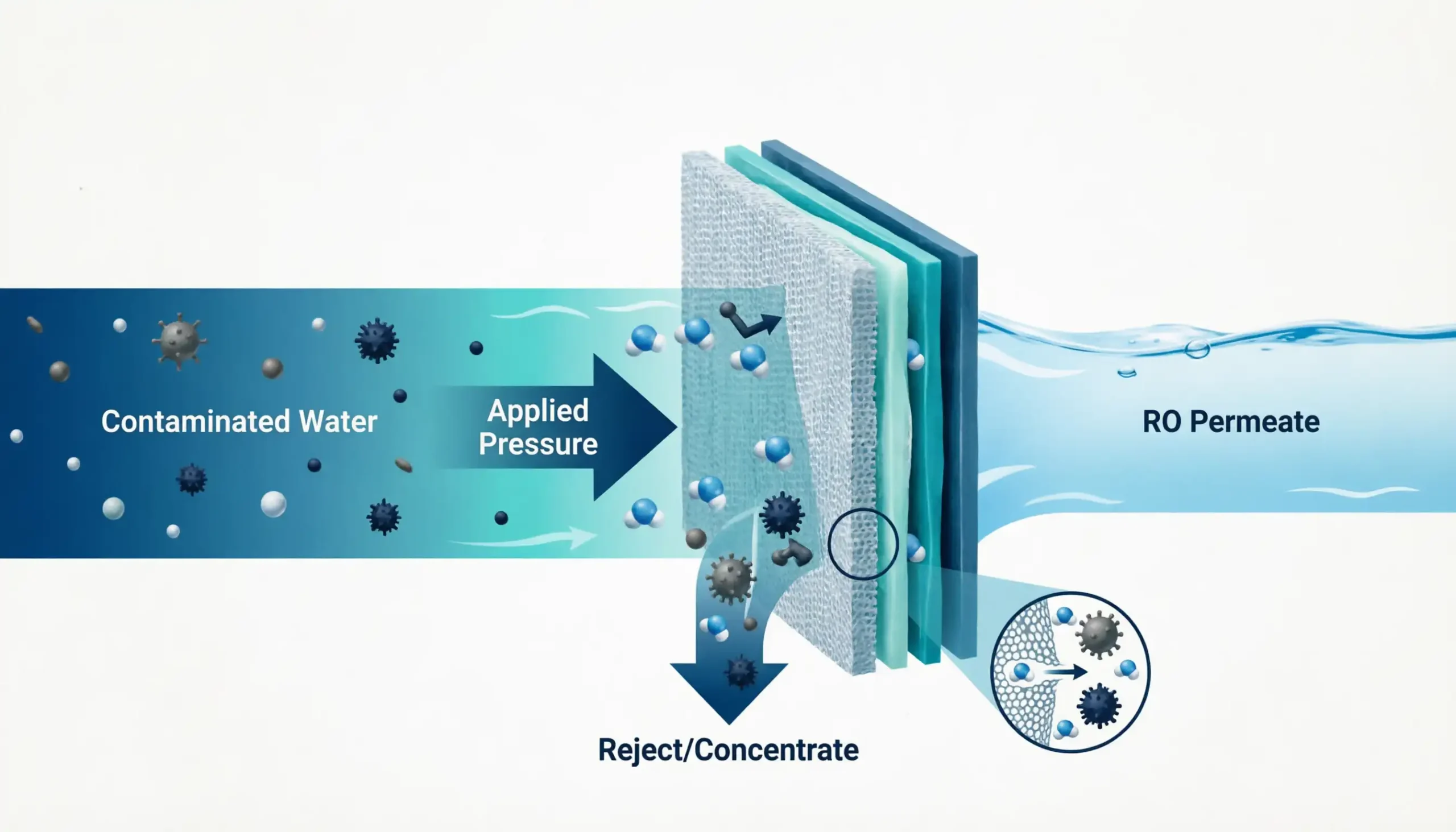
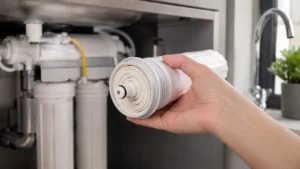
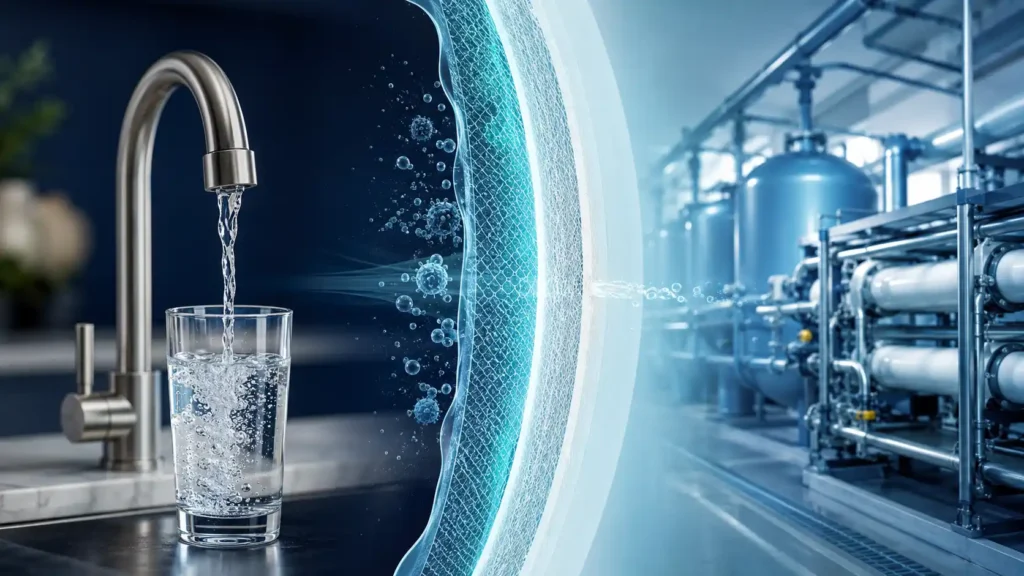
Before getting into the uses, it helps to understand the process. Water is pushed under pressure through a semi-permeable membrane. That membrane lets water molecules pass through but blocks dissolved solids, salts, heavy metals, and most contaminants. What comes out on the other side is called reverse osmosis permeate the clean, filtered water. What gets left behind and flushed away is called the concentrate or reject stream.
The driving force is applied pressure, which overcomes the natural osmotic pressure of the solution. The higher the TDS (total dissolved solids) in the source water, the more pressure is needed. That’s the basic physics behind everything from your under-sink unit at home to a large-scale industrial water treatment system handling millions of gallons a day.
10 Real-World Applications of Reverse Osmosis
Here’s a quick reference before we go into detail on each one:
|
Application |
What RO Removes | Scale of Use |
| Home Drinking Water | Chlorine, TDS, lead, nitrates |
Under-sink or countertop |
|
Restaurant / Cafe |
Chlorine, hardness minerals | Commercial point-of-use |
| Desalination | Salt, dissolved salts, minerals |
Industrial / municipal |
|
Semiconductor Mfg. |
All dissolved solids / ions | Ultra-pure industrial |
| Hospital / Dialysis | Bacteria, endotoxins, minerals |
Medical-grade systems |
|
Boiler Feed Water |
Scale-forming minerals | Industrial process |
| Aquariums / Fish Tanks | Chloramine, heavy metals |
Hobbyist to commercial |
|
Car Wash / Spot-Free Rinse |
Dissolved solids, hardness | Commercial carwash |
| Cannabis Cultivation | Chlorine, heavy metals |
Commercial grow ops |
|
Wastewater Reclamation |
Pharmaceuticals, pathogens |
Municipal / industrial |
1. Home Drinking Water Filtration
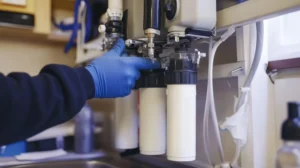
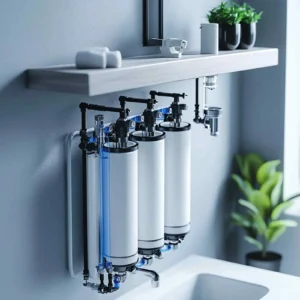
This is the most common reverse osmosis application in residential settings. An under-sink RO unit connects directly to your cold water line and feeds purified water to a dedicated faucet. It removes chlorine, chloramines, lead, nitrates, arsenic, fluoride, and the dissolved solids that make water taste flat or metallic.
In areas like Tracy, CA, where municipal water can carry higher levels of chlorine and hardness minerals, homeowners notice an immediate improvement in taste and clarity. Most systems use a 4 to 5 stage filtration process: sediment pre-filter, carbon block, RO membrane, and a post-carbon polish stage.
- Typical TDS reduction: 90 to 97 percent
- Best for: single tap, drinking and cooking water
- Not ideal for: whole-house filtration or softening hard water at scale
If you’re considering a Reverse Osmosis Water Filter in Tracy, CA, an under-sink unit is usually the right starting point.
2. Restaurants, Cafes, and Commercial Kitchens
Water quality directly affects the taste of coffee, tea, soups, and ice. Hard water with high mineral content leaves scale buildup inside espresso machines and steamers. Ro permeate with low TDS produces cleaner flavor profiles and extends the life of equipment.
- Coffee shops: RO water makes espresso extraction more consistent
- Ice machines: reduces scale deposits and cloudy ice
- Commercial steamers and dishwashers: less limescale, lower maintenance
- Breweries: precise mineral control for specific beer styles
3. Seawater Desalination
This is arguably the most important large-scale reverse osmosis application on the planet. Coastal cities and island nations use high-pressure RO systems to convert seawater into potable drinking water. The process removes dissolved salts, bacteria, and virtually all contaminants. Saudi Arabia, Israel, and parts of California’s coast all rely on RO-based desalination plants to supplement freshwater supply.
The challenge is energy. Pushing seawater through a membrane requires significant pressure, often 800 to 1,200 PSI. But advances in energy recovery devices have made modern desalination much more efficient than it was two decades ago.
4. Semiconductor and Electronics Manufacturing
Chip fabrication requires what’s called ultra-pure water. Even trace amounts of dissolved solids or ions can damage circuit components during rinsing and etching steps. Semiconductor plants run multi-stage water purification systems that combine RO with deionization to produce water so pure it’s actually a poor conductor of electricity.
This is one of the most demanding industrial water treatment applications because the specifications are incredibly tight. A single impurity at parts per billion can cause wafer defects.
5. Hospitals and Kidney Dialysis
Dialysis machines use large volumes of water to purify water that comes into direct contact with a patient’s blood. The water must be free of bacteria, endotoxins, heavy metals, and dissolved solids. Contaminated dialysis water can be life-threatening.
Hospitals run dedicated water treatment systems with multiple RO passes plus additional disinfection stages. This is one area where the quality of the membrane and the maintenance schedule are non-negotiable.
6. Industrial Boilers and Steam Generation
Scale buildup inside industrial boilers is a serious and expensive problem. Dissolved minerals in feed water deposit on heat exchange surfaces, reducing efficiency and eventually causing failure. Running ro permeate or soften RO water through a boiler dramatically reduces scale formation.
- Power plants use RO for boiler feed water treatment
- Food processing facilities rely on RO for steam that contacts food products
- Chemical plants use high-purity RO water in manufacturing processes
This is a case where a Water Purification System paired with a softening stage delivers the best long-term results.
7. Aquariums and Marine Fish Keeping
Saltwater aquarium hobbyists and commercial aquaculture operations use RO to produce a controlled baseline of water. Tap water contains chloramines, heavy metals, phosphates, and silicates that disrupt sensitive marine ecosystems. Reverse osmosis permeate gives you a blank canvas you add back only the minerals and salts the specific species need.
- Reef tanks: RO/DI (reverse osmosis + deionization) is standard
- Fish hatcheries: consistent water chemistry improves survival rates
- Shrimp farms in Asia: RO systems control dissolved solids precisely
8. Spot-Free Car Wash Rinses
If you’ve ever paid for a “spot-free” rinse at an automatic car wash, you’ve already benefited from an application of reverse osmosis. High TDS water leaves mineral deposits on paint surfaces as it evaporates. RO water with near-zero dissolved solids dries without spots.
Commercial car wash operators invest in RO systems specifically for the final rinse stage. The water quality directly affects customer satisfaction and repeat business.
9. Commercial Cannabis and Indoor Agriculture
Industry is one of the most water-intensive agricultural sectors in the state. Commercial growers use RO to strip source water down to near-zero TDS, then rebuild the nutrient profile precisely for each growth stage. This level of control isn’t possible with tap water, which has unpredictable mineral content.
- Prevents nutrient lockout caused by competing minerals in tap water
- Allows growers to dial in EC (electrical conductivity) targets precisely
- Reduces risk of heavy metal contamination in final product
10. Wastewater Reclamation and Water Reuse
Municipal water agencies and large industrial facilities use RO as a key step in treating wastewater to drinking water standards. The process removes pharmaceuticals, hormones, pathogens, and industrial chemicals that conventional treatment plants miss.
Orange County Water District’s Groundwater Replenishment System, one of the largest water recycling projects in the world, uses RO as its core water purification step. The treated water is cleaner than most municipal tap water in California.
When You Also Need a Reverse Osmosis Water Softener Setup
Reverse osmosis removes many minerals, but it’s not the same as water softening. A reverse osmosis water softener combination is often the right answer for homeowners with both high TDS and hard water problems. Here’s how the two work together:
- Water softener first: removes calcium and magnesium via ion exchange, which protects the RO membrane from scaling and extends its lifespan significantly
- RO after the softener: reduces TDS, removes remaining chlorine, nitrates, and other contaminants the softener doesn’t touch
- Result: soft, low-TDS water for drinking with a separate softened supply for appliances and plumbing
If your water supply has a hardness level above 10 to 12 grains per gallon, pairing a softener upstream of your RO system is worth doing. The membrane replacement cycles will stretch significantly, saving money over time.
Choosing the Right RO Setup for Your Situation
Not every reverse osmosis application needs the same system. The right setup depends on your water source, usage volume, and what you’re trying to remove. Here’s a practical breakdown:
- Home, 1 to 2 people: 50 to 75 GPD (gallons per day) under-sink unit with a 3 to 4 gallon storage tank
- Family of 4 to 6: 75 to 100 GPD system, or a tankless on-demand RO if space allows
- Small restaurant or cafe: commercial inline RO, 200 to 400 GPD, plumbed to ice maker and drink stations
- Light industrial: skid-mounted systems starting at 1,000 GPD up to several thousand GPD depending on process water requirements
- High-purity needs (lab, dialysis): multi-pass RO with deionization polishing stages
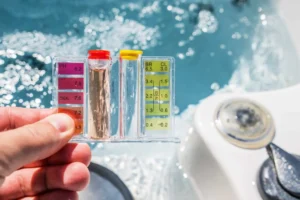
If you’re not sure where to start, a water test comes first. The results will tell you what needs to be removed and what kind of reverse osmosis water system installation makes sense.
Final Thoughts
The applications of reverse osmosis are far wider than most people realize. From producing safe drinking water at home to purifying millions of gallons in semiconductor plants and hospitals, RO technology sits at the center of how we manage water quality in the modern world.
The underlying principle is simple: pressure forces water molecules through a semi-permeable membrane, leaving contaminants behind but the range of problems it solves is remarkable. Reach out through the RO Water Filter System to schedule a consultation or get a water test started. Getting the right system the first time saves money, maintenance headaches, and a lot of wasted water.
FAQs
What is the most common residential application of reverse osmosis?
Under-sink drinking water filtration is by far the most common use. The system connects to your cold water line, filters through a multi-stage process including the RO membrane, and stores clean water in a small tank under the sink. It’s effective for removing chlorine, lead, nitrates, and dissolved solids that affect taste.
Can reverse osmosis be used with a water softener?
Yes, and it’s often a smart combination. A reverse osmosis water softener setup places the softener upstream of the RO system. The softener removes hardness minerals via ion exchange, which protects the membrane from scale. The RO then removes everything else, including the sodium the softener adds. The result is clean, low-TDS water for drinking.
What is RO permeate, and is it safe to drink?
RO permeate is the purified water that passes through the semi-permeable membrane during filtration. It’s very low in dissolved solids and safe to drink. Some people add a remineralization cartridge after the RO stage to restore beneficial minerals like calcium and magnesium, which also slightly raises the pH.
Does reverse osmosis remove bacteria and viruses?
RO membranes do filter out bacteria and most viruses due to their extremely small pore size, typically 0.0001 microns. However, a standalone RO system is not certified as a disinfection device. If you’re dealing with a microbiologically unsafe water supply, a UV purification stage should be added alongside the RO membrane.
How often does the RO membrane need to be replaced?
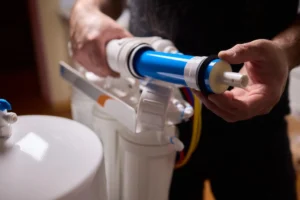
Under normal residential use with properly pre-filtered water, an RO membrane typically lasts 2 to 5 years. Higher TDS source water, sediment, or chlorine breakthrough from a worn pre-filter will shorten that lifespan. Running a TDS meter on both the inlet and the reverse osmosis permeate periodically will tell you when membrane performance is declining.