
Whole House Water Filter vs Reverse Osmosis: Find the Best Water System for Your Home
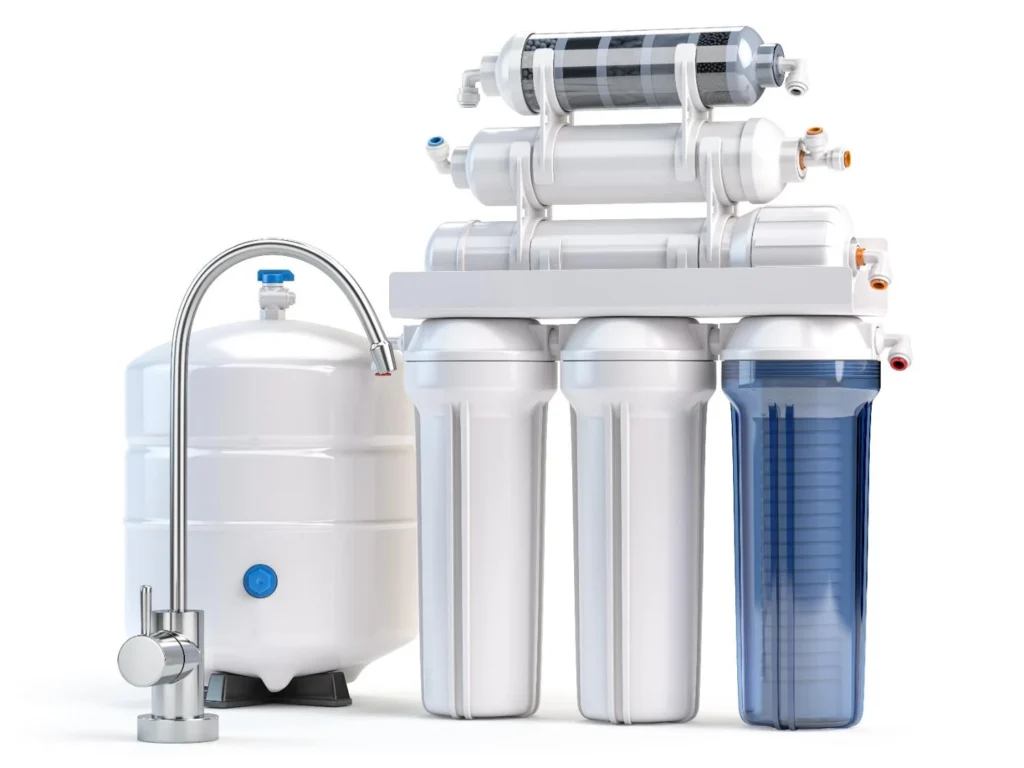
Once homeowners realize there are issues with their tap water, many begin researching ways to treat it. When such issues occur, such as smelly chlorine levels or discolored fixtures causing mineral spots or tasting odd in the kitchen sink area, others worry about potential contaminants found in municipal supplies; two popular solutions include whole house water filter and reverse osmosis systems as possible solutions. Understanding which one truly addresses our water filtration needs can be tricky; that is why this guide compares whole house water filter vs reverse osmosis systems in straightforward language. Here you will gain more knowledge regarding water filters’ operation, contaminants they remove from sources, and which option best meets individual household requirements. Our aim is to arm homeowners with enough information so they can make knowledgeable choices before investing in filters solutions. What Is a Whole House Water Filter and How It Works An effective whole house water filter treats water as soon as it enters your home; this process is known as point-of-entry filtration. With such a system attached to the main water line, all faucets, shower heads, and appliances in your house benefit from clean drinking water. How the system works Most house water filtration systems rely on several filtration stages that remove common contaminants from municipal or well water. Typical components include: Sediment filters that capture sand, rust, and dirt Activated carbon filters that remove chlorine and chemical odors Optional stages for heavy metals or organic compounds Once installed, the system filters water before it flows through the plumbing system. That means cleaner water reaches: showers and bathtubs laundry machines dishwashers outdoor taps kitchen sink This approach improves the overall quality of house water filtration across the home. What whole house filters remove A well designed house water filter system can reduce: chlorine sediment and rust unpleasant odors certain chemicals some heavy metals These systems focus on improving water quality for everyday use, not just drinking water. What Is a Reverse Osmosis System and How It Works Reverse Osmosis Water Filter, commonly referred to as RO systems, operate differently from regular water filters in that they treat only at its point of use (usually under your kitchen sink) for best results. This system uses water pumped through a semi-permeable membrane designed to filter out small contaminants such as lead. Stages in a typical RO system Most residential reverse osmosis systems include multiple filtration stages. Common stages include: Sediment filter to remove particles Carbon filter to reduce chlorine and chemicals RO membrane that removes dissolved contaminants Post carbon filter to improve taste Some systems add extra stages for additional purification. This process produces purified water that is typically used for drinking and cooking. What reverse osmosis removes A properly installed ro system can remove: dissolved salts heavy metals such as lead nitrates fluoride many chemicals microorganisms including some bacteria and viruses Because of this capability, reverse osmosis water filtration is widely used for high quality drinking water. Whole House Water Filter vs Reverse Osmosis Understanding whole house water filter vs reverse osmosis starts with one key difference. These systems serve different purposes. A whole house filter improves water quality for the entire home. A reverse osmosis system produces very clean drinking water at one faucet. Point of entry vs point of use Feature Whole House Filter Reverse Osmosis Installation Main water line Usually under kitchen sink Coverage Entire home One faucet Purpose Improve overall water quality Produce purified drinking water Filtration level Moderate Very high Contaminant removal capability Whole house filters focus on removing: chlorine sediment odors some chemicals Reverse osmosis systems target dissolved contaminants that are much smaller. That includes: heavy metals nitrates fluoride dissolved solids This difference explains why many homeowners use both systems together. Pros and Cons of Whole House Filters Benefits Clean water at every faucet A whole house system improves water quality for bathing, laundry, and dishwashing. Protects plumbing and appliances Removing sediment and chlorine helps reduce wear on water heaters, pipes, and washing machines. Better shower experience Filtered water often reduces chlorine odor and skin irritation. Limitations Does not produce ultra purified drinking water Whole house filters are not designed to remove very small dissolved contaminants. Higher upfront installation cost Installing a point-of-entry system requires work on the main plumbing line. Pros and Cons of Reverse Osmosis Systems Benefits Extremely effective contaminant removal Reverse osmosis systems can remove a wide range of dissolved contaminants. Excellent drinking water quality Many homeowners notice improved taste and clarity. Compact installation Most units fit neatly under the kitchen sink. Limitations Only treats one water source Water from other taps in the home remains untreated. Slower filtration RO systems produce purified water gradually and store it in a tank. When a Whole House System Makes More Sense A whole house water filtration system is often the better choice when water quality problems affect the entire home. Examples include: strong chlorine smell in shower water sediment in tap water discoloration in laundry unpleasant odors from multiple faucets These issues usually indicate problems with the incoming water supply. A point-of-entry system treats the water before it flows through the plumbing system. Many homes in areas with older infrastructure benefit from this type of Water Filtration System. When Reverse Osmosis Is the Better Choice In some cases, homeowners are mainly concerned about drinking water purity. An RO system may be the best option if you want to remove: dissolved solids heavy metals nitrates fluoride Because the reverse osmosis membrane filters extremely small particles, it produces very clean drinking water. Should You Combine Both Systems? In many homes, the most effective setup includes both technologies. A whole house filter improves water quality throughout the house. A reverse osmosis system provides high purity drinking water. This combination offers two levels of protection: House filtration systems remove chlorine and sediment for the whole home. Reverse osmosis water filtration provides purified water for drinking and cooking. Some homeowners also explore whole house water filter vs reverse osmosis, though these are