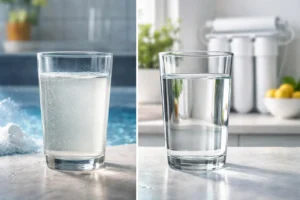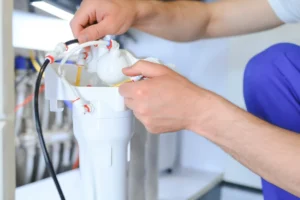

If your RO water tastes flat, feels thin going down, or leaves your mouth dry after a full glass, you are not imagining things. Reverse osmosis works nearly too well. It eliminates chlorine, lead, arsenic, and a variety of other hazardous chemicals. However, it also removes the calcium and magnesium that naturally give water its pleasant flavor and light texture. What comes out the other side is actually clean water, but it is depleted of the minerals your taste buds and body are used to.
Learning how to remineralize reverse osmosis water is one of the most practical upgrades an RO owner can make. Most online guides explain the basics, but they often miss practical details. They do not explain how much to add, what works best for daily use, or how to avoid overdoing it. This guide from RO Water Filter System is built to fill those gaps.
Why RO Water Feels “Empty” in the First Place
A reverse osmosis membrane has pores roughly 0.0001 microns wide. That is small enough to block bacteria, viruses, dissolved metals, and yes, naturally occurring minerals. The result is water with a very low total dissolved solids (TDS) reading, often between 5 and 30 parts per million after filtration.
RO water typically ranges between 150 and 400 parts per million TDS before treatment, leading to significant differences in its dissolved content that often leave people describing RO water as tasting flat, hollow, or slightly sour. Without minerals to act as buffers against carbon dioxide’s acidity levels causing even small amounts to make their presence felt in acidic range ranging as low as 5.5-7.6 pH levels.
Low pH and low TDS together explain most of the taste and sensation complaints people have about RO water. It is also why some people notice their throat feels dry or why their morning coffee tastes sharp and bitter instead of smooth.
Does Drinking RO Water Without Minerals Cause Health Problems?
This is a legitimate question, not just anxiety. The honest answer is nuanced.
Calcium and magnesium from drinking water can be bioavailable, meaning the body can readily absorb them; however, nutrition science overwhelmingly confirms food as being the main source of both minerals. If someone maintains a balanced diet then their drinking water with its low mineral content won’t become an issue to deficiency development.
That said, if your diet is already marginal in calcium or magnesium, removing water as a source does matter at the margins. Children, older adults, and people with bone density concerns may benefit from consistently remineralized water. The same applies if you drink large volumes of water daily, as some fitness-focused individuals do.
How to Remineralize RO Water: 5 Methods Explained
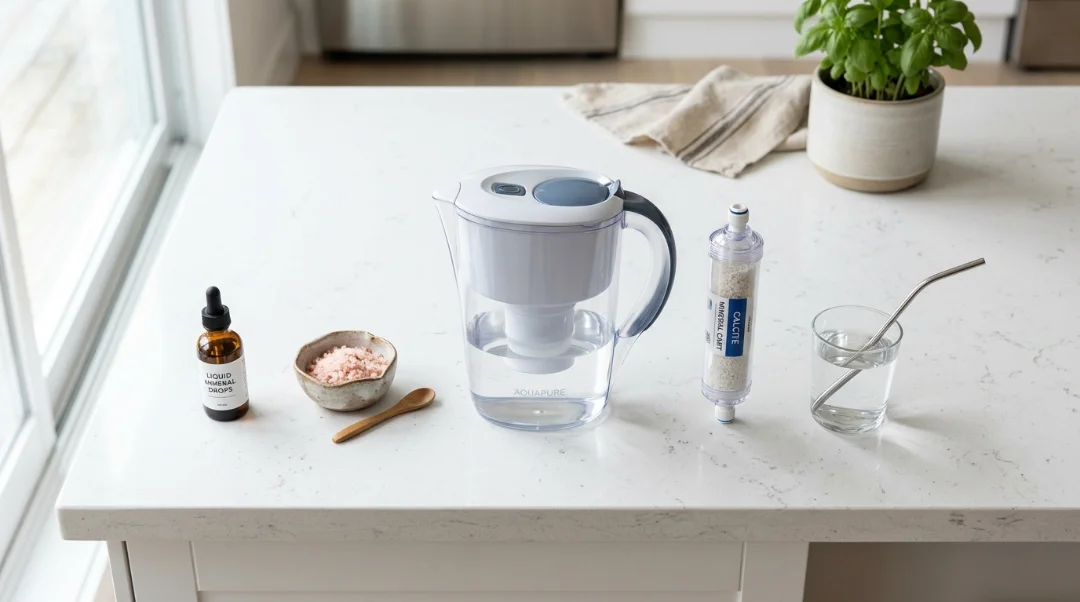
Inline Remineralization Cartridge (Best Long-Term Solution)
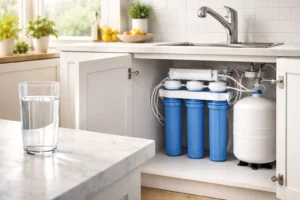
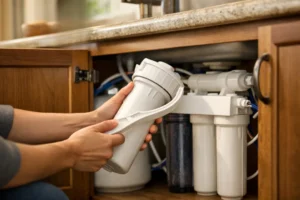
An inline remineralization cartridge installs directly after your existing RO membrane as a final post-filter stage. Inside, it is packed with calcite (calcium carbonate) or a blend of calcite and corosex (magnesium oxide). As water passes through, it slowly dissolves small amounts of these food-grade mineral media into the water.
The end result is water that leaves your tap already balanced, with a pH of 7.0 to 8.0 and a moderate TDS rise that enhances both flavour and mouthfeel without making the water taste minerally or chalky. This is the most consistent and hands-free option available. You don’t measure, pour, or combine anything. When you draw water, the cartridge automatically accomplishes the task.
If your system is a 5-stage or 6-stage unit, adding a remineralization cartridge essentially converts it into a more complete system. The 10-Stage Water Filtration System already integrates remineralization as a built-in stage, which is one reason homeowners upgrading from a basic RO unit often find it worthwhile.
Mineral Drops (Best for Flexibility)
Concentrated mineral drops are a liquid blend of calcium, magnesium, potassium, and trace electrolytes. You add a small measured amount, typically 20 to 40 drops, directly to a glass or pitcher of RO water before drinking.
This method works well and gives you precise control. The minerals are ionic and dissolve immediately, so there is no waiting. Several brands on the market are third-party tested, and the ingredient lists are clean.
The honest limitation: You have to remember to do it every single time. For some people, that is no problem. For households with multiple family members or high daily water consumption, the manual step gets skipped. It also adds a recurring supply cost.
Alkaline Remineralization Pitcher
An alkaline water pitcher works by passing RO water through a refillable mineral cartridge that raises pH and adds calcium and magnesium. The result is similar to an inline cartridge, just at a smaller volume.
These pitchers are popular and genuinely useful for renters or small households. They are also a reasonable bridge option while you plan a permanent system upgrade.
Magnesium Bicarbonate Solution (DIY for Enthusiasts)
This method allows a high degree of control over the final mineral ratio. Specialty coffee brewers in particular use it to dial in magnesium levels that enhance coffee extraction.
The trade-off is complexity. Magnesium bicarbonate has limited solubility and the concentrate must be stored cold and used within a few weeks. For everyday household use, the inline cartridge or mineral drops are simpler and just as effective.
pH Balancing with Baking Soda (Short-Term Fix Only)
Adding a small amount of food-grade baking soda to RO water raises its pH. This is sometimes recommended as a quick fix for the flat or slightly sour taste of low-pH RO water.
It works, but it is not the same how to remineralize reverse osmosis water. Baking soda adds sodium bicarbonate, not calcium or magnesium. The pH goes up, but the mineral content does not meaningfully change. Use it as a short-term adjustment if you are waiting on a cartridge or drops to arrive, but do not rely on it as a long-term remineralization strategy.
Which Method Is Right for You?
|
Your Situation |
Best Method |
|
Want hands-free, permanent solution |
Inline remineralization cartridge |
|
Prefer control and flexibility |
Mineral drops |
|
Renting or small household |
Alkaline pitcher |
|
Coffee brewing or water geek |
Magnesium bicarbonate DIY |
| Just fixing flat taste temporarily |
Pinch of Himalayan salt or baking soda |
Remineralizing Water for Specific Uses
For coffee and tea: Flat RO water under-extracts coffee, making it taste sour or hollow. Remineralizing to a TDS of 75 to 150 ppm, with a higher magnesium-to-calcium ratio, produces noticeably better coffee. Mineral drops that let you control the ratio independently are ideal here.
For fish tanks: Pure RO water is actually a starting point that many aquarium hobbyists use intentionally before rebuilding mineral content to match specific species requirements. If you keep fish and use your RO system for the tank, check out the guidance on Reverse Osmosis Water For Fish Tank to understand the right approach.
For kids and daily hydration: An inline cartridge on the system is the most practical approach for families. It requires nothing beyond routine filter changes and consistently produces water with a normal mineral profile.
What a Properly Remineralized RO System Looks Like
How to remineralize reverse osmosis water working correctly, a remineralized RO system should produce water with:
- A TDS between 50 and 200 ppm (depending on your preference)
- A pH between 7.0 and 8.0
- A smooth, slightly round mouthfeel rather than thin or sharp
- No flat or metallic aftertaste
- Good extraction results if used for coffee or tea
You can verify all of this at home with a basic TDS meter (under $15 at most hardware stores) and pH strips or a small pH meter.
Professional Installation Makes a Difference
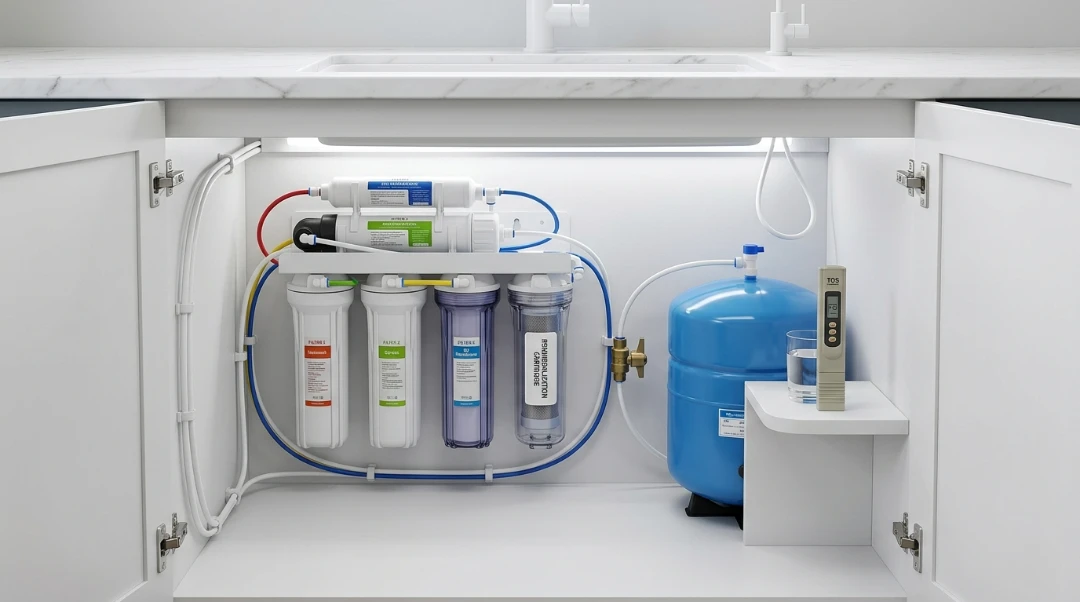
One thing that does not get enough attention in most guides is that the physical installation of a post-filter remineralization cartridge matters. If the cartridge is installed before the storage tank rather than after it, the mineral-enriched water sits in the tank and the benefit is diluted by the time it reaches your tap. The remineralization cartridge should always be the last stage, after the storage tank.
If your current system was installed without this consideration, or if you are not sure how yours is set up, a quick check during routine maintenance is worthwhile. RO Water Filter System provides professional RO System Installation in Tracy and surrounding areas, including proper post-filter placement for homeowners who want remineralization added to an existing unit.
Conclusion
Those of us drinking reverse osmosis water that tastes thin, is uninspiring or makes our coffee unappetizing have it easy; learning how to remineralize reverse osmosis water properly means selecting an approach which best fits with our household rather than selecting any random product online.
Homeowners generally find an inline remineralization cartridge the cleanest, most reliable option available to them. It works automatically and lasts months between changes; adding this element makes your RO system an all-inclusive solution rather than simply filtering. For any assistance relating to how best to implement or add this step into their setup contact us RO Water Filter System today; our Tracy team serves nearby communities offering quality water with great flavor!
FAQs
How many mineral drops do I add per gallon of RO water?
Most liquid mineral supplements recommend 20 to 40 drops per liter, which works out to roughly 75 to 150 drops per gallon depending on the brand.
Is drinking RO water without minerals actually bad for you?
For most healthy adults eating a balanced diet, low-mineral RO water is not dangerous. Your food provides far more calcium and magnesium than your water does. That said, people with higher mineral needs, such as growing children, older adults, or those with low dietary mineral intake, may benefit from consistently remineralizing their water.
Why does my RO water taste flat or slightly sour?
RO water tastes flat because the filtration process removes dissolved minerals that give water its familiar taste and body. The slightly sour or sharp edge comes from a mildly acidic pH.
Will adding Himalayan salt to my RO water make it taste like the ocean?
No. The amount used for remineralization is extremely small, roughly a pinch per gallon. At that level, you will not taste salt at all. You will mostly notice a slight improvement in water body and a reduction in the flat taste.
Can I add a remineralization cartridge to my existing RO system myself?
Yes, in most cases. A standard inline cartridge connects to the existing tubing coming out of your RO storage tank using simple push-fit fittings. The process takes about 15 to 30 minutes for most under-sink setups.