What is sustainable water management? Sustainable water use involves conserving, managing, treating and protecting our freshwater supplies in order to meet current demand without leaving future generations with less freshwater resources than necessary. That means smarter sourcing options, efficient treatment processes, less waste production and the conservation of natural systems which replenish our supply over time.
And if you’re a homeowner or business owner, it directly affects your water quality, your costs, and how much you’re contributing to the problem or the solution. RO Water Filter System sees this every day on the job.
What Is Sustainable Water Management, Really?
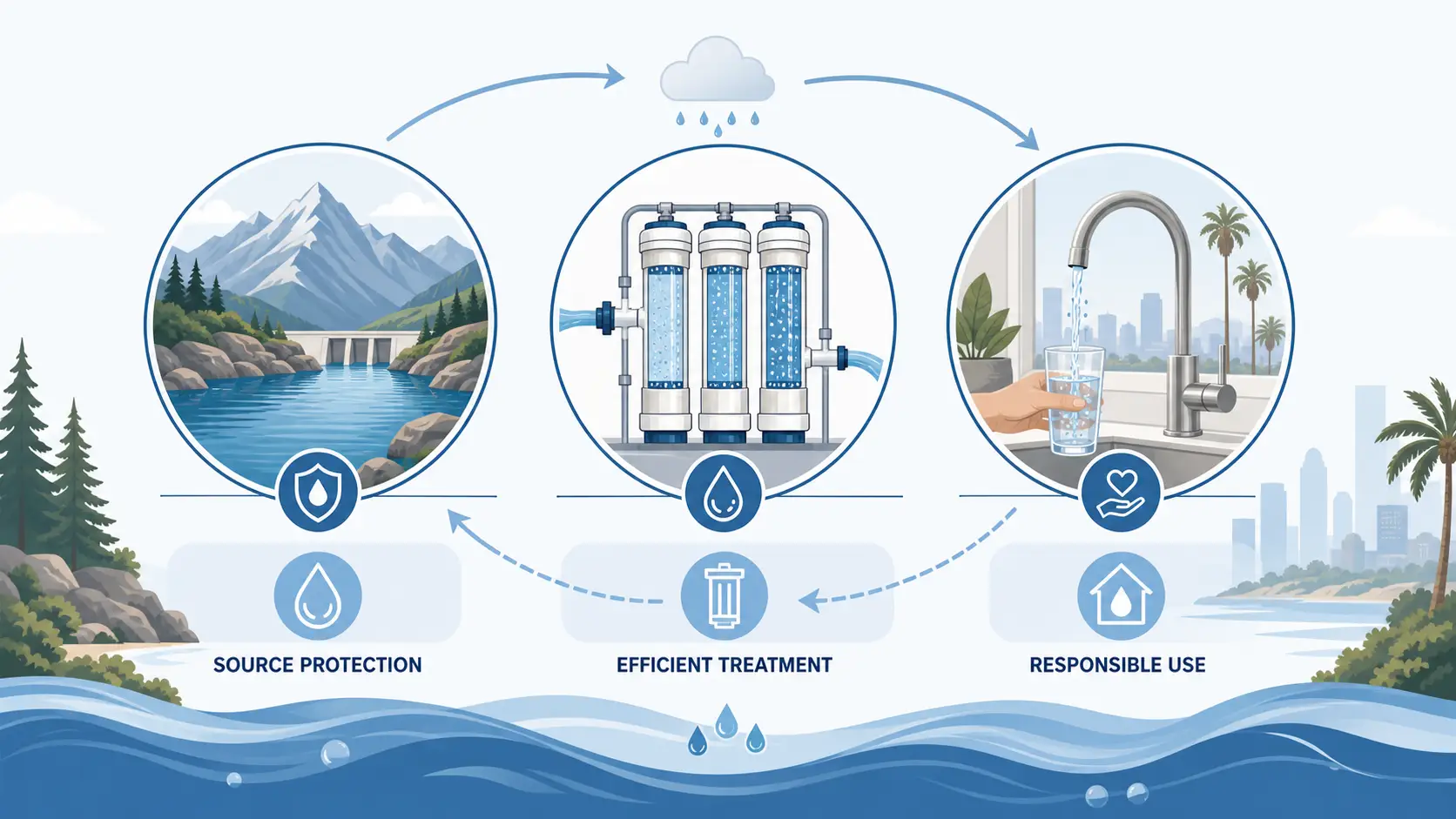
Sustainable water management means using water in a way that meets today’s needs without depleting what future generations will depend on. That definition sounds simple. In practice, it’s anything but.
It covers how water is sourced, treated, distributed, used, and recycled across homes, farms, cities, and industries. It involves protecting watersheds, reducing waste, improving treatment systems, and making sure clean water doesn’t become something only certain communities or income levels can access.
The challenge isn’t just supply. It’s balanced. Global water demand has more than doubled in the last 50 years. Climate shifts are making droughts longer and more severe. And in California, we already know what water stress looks like firsthand.
Why California Homeowners Should Pay Attention
California has been in a near-constant drought cycle for over two decades. The State Water Resources Control Board regularly issues conservation mandates. Water districts across the San Joaquin Valley, including those serving Tracy, have faced allocation cuts and rising costs.
Here’s what that means practically for residents:
- Water rates continue to rise as supply becomes less reliable
- Hard water from Delta sources leaves scale buildup in pipes, water heaters, and appliances
- Agricultural runoff can introduce nitrates and other contaminants into groundwater
- Aging infrastructure in older Tracy neighborhoods may add sediment or lead exposure risk
And yet, most homeowners are still running tap water without any filtration at all. That’s not a judgment. It’s just a gap between what people know and what they actually do about it. We can assess your home’s water quality, recommend the right level of filtration for your situation, and install a reverse osmosis water filter that actually matches your water conditions.
What Makes Water Treatment Sustainable
This is where the conversation gets more useful. What made water treatment sustainable isn’t just about using less water. It’s about treating water smarter.
Efficiency Over Volume
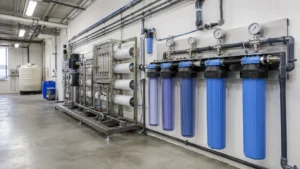
Older water treatment systems were designed for throughput, not efficiency. They used large amounts of energy, chemicals like chlorine and alum, and produced significant wastewater. Sustainable water treatment shifts that model by:
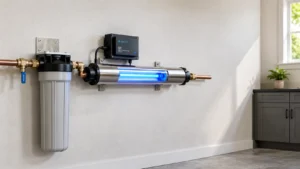
- Using less chemical disinfection where UV or membrane technology is viable
- Reducing backwash and reject water in filtration systems
- Treating water at the point of use rather than treating entire supplies to drinking-water standards
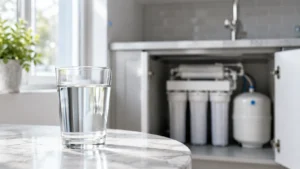
Under-sink reverse osmosis systems are a good example of point-of-use logic. Instead of treating every gallon in your home to the same level, you filter only the water you actually drink and cook with. That’s smarter, not just cleaner.
Water Recycling and Reuse
Wastewater treatment has improved dramatically. In many California municipalities, treated wastewater is now reused for irrigation, industrial cooling, and in some cases, groundwater recharge. This is a core part of sustainably managing water resources at the regional level.
At home, the equivalent might be capturing RO reject water for plant watering or outdoor use rather than sending it down the drain.
Rainwater Harvesting
California lifted restrictions on residential rainwater harvesting in 2012. Collecting roof runoff in cisterns for outdoor irrigation reduces pressure on municipal supply. It’s not a complete solution. But it’s a meaningful one, especially in a dry year.
What Made Water Treatment Sustainable Over Time
It didn’t happen overnight. Sustainable water purification evolved through decades of policy, technology, and necessity.
Key shifts that changed how we approach water:
- 1970s: The Clean Water Act forced industrial and municipal polluters to treat discharge before releasing it
- 1990s: Membrane filtration technology became commercially viable, reducing chemical dependence
- 2000s: Smart metering and leak detection systems helped cities identify and fix massive distribution losses
- 2010s: Drought conditions in California accelerated adoption of tiered pricing and conservation mandates
- 2020s: Point-of-use filtration became mainstream as homeowners grew more skeptical of tap water quality
Each shift made water treatment more sustainable. But the system still has serious gaps, especially at the individual and community level.
The Role of Home Water Filtration in Sustainable Water Purification
You might not think of your under-sink filter as a tool for sustainability. But it genuinely is.
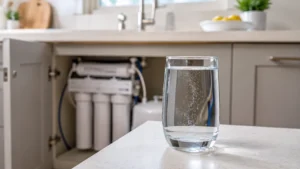
A properly installed Water Purification System in Tracy, CA handles what the municipal system doesn’t. An RO membrane removes dissolved solids, heavy metals, chlorine byproducts, and nitrates at a rate that standard carbon filters simply can’t match.
And the sustainability angle? Homeowners with good point-of-use filtration buy far fewer single-use plastic water bottles. In a household that used to go through two or three cases of bottled water per week, that’s hundreds of plastic bottles out of the waste stream every year. Per household. Multiply that across a neighborhood.
What Sustainable Water Management Looks Like at the Household Level
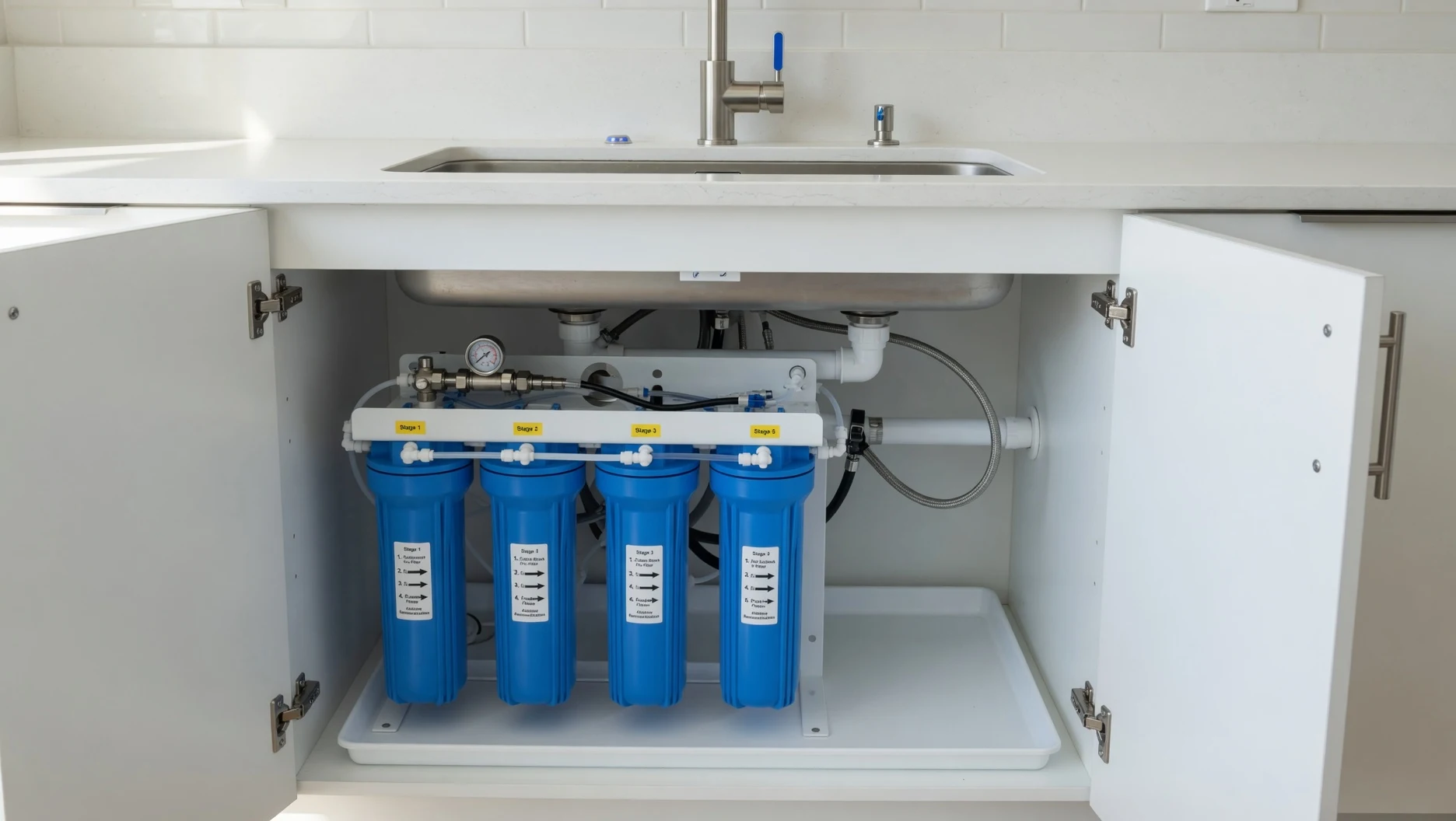
You don’t need to redesign your plumbing or install a 10-stage system to make a difference. Honestly, most homeowners in Tracy don’t need anything that complex.
What actually helps:
- Install a point-of-use RO system for drinking and cooking water. A 5-Stage Water Filtration System in Tracy, CA is sufficient for most residential needs and addresses the most common contaminants in Delta-sourced water.
- Fix leaks promptly. A dripping faucet wastes up to 3,000 gallons per year. That’s not a rounding error in a drought state.
- Run full dishwasher and laundry loads. Partial loads use the same water as full ones in most older machines.
- Use a TDS meter to monitor your water. If your tap water reads above 300 ppm, you’re dealing with significant dissolved solid content. That’s relevant for both health and appliance longevity.
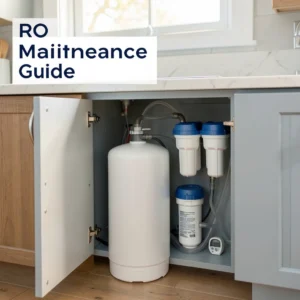
- Service your filtration system on schedule. A clogged sediment pre-filter doesn’t just reduce water quality. It forces your RO membrane to work harder, shortens its life, and increases the amount of water wasted in the rejection cycle.
One thing we see often: homeowners install a good RO system and then forget about it for three or four years. The membrane degrades. The post-carbon filter gets saturated. The water quality drops quietly, and they assume it’s still working fine. Regular maintenance is part of sustainable use.
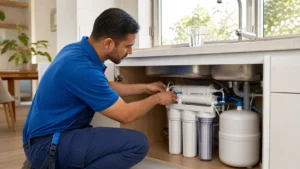
For homeowners ready to take the next step, RO Water Filter System offers professional installation and service throughout Tracy and the surrounding areas.
Water Scarcity Is Not a Distant Problem
California’s water story isn’t just a policy debate. It’s real. Cities like Fresno and Stockton have faced water quality crises. And the Delta ecosystem that feeds Tracy’s water supply is under increasing pressure from salinity intrusion, habitat loss, and competing demands from agriculture and urban growth.
The good news is that sustainable water management at every level, from state policy down to your kitchen sink, adds up. It’s not one silver bullet. It’s a hundred small decisions made consistently.
Conclusion
Understanding what is sustainable water management is the first step. Acting on it is where most of us fall short. That’s not cynicism. It’s just honest. The practical truth is that you can contribute to better water management without waiting on legislation or utility upgrades. Installing efficient filtration at home, reducing bottled water use, fixing leaks, and maintaining your water system all matter.
They reduce demand on a stressed municipal supply, protect local groundwater, and cut plastic waste. If you’re in Tracy and you’re not sure where to start, contact RO Water Filter System. Our team has been doing this locally for over 15 years. We know Tracy’s water. Reach out today.
FAQs
What is sustainable water management in simple terms?
Sustainable water management means using water responsibly so future generations still have reliable access to clean water. It includes conservation, efficient treatment, wastewater treatment, and protecting local water resources from overuse or contamination.
What makes water treatment sustainable for homes?
Efficient systems that reduce waste, improve water quality, and require manageable maintenance are considered more sustainable. Modern RO systems with efficient membranes and better filtration stages help reduce unnecessary water loss.
Can reverse osmosis systems support water conservation?
Yes, newer reverse osmosis systems are much more efficient than older models. Proper installation, routine maintenance, and high-efficiency components can reduce wastewater significantly while improving drinking water quality.
Why is hard water a concern in Tracy, California?
Many Tracy homes deal with elevated mineral content because of regional water sources connected to the Delta system. Hard water can damage appliances, create scale buildup, and reduce overall water system efficiency.
Is sustainable water purification expensive to maintain?
Not always. A properly sized and professionally installed system usually costs less to maintain over time because it reduces plumbing wear, improves appliance efficiency, and lowers bottled water dependence.