Water has an unfortunate reputation; those on private wells outside city limits know this all too well. And if you have been researching purification systems recently, you may have come across UV light filters and wondered whether they’re worth your while or just another thing someone’s trying to sell you.
Here’s the straightforward answer: a UV light water filter is one of the most effective tools for killing bacteria and viruses in drinking water. But it’s not a standalone solution. And that distinction matters a lot, especially for Tracy-area homeowners dealing with hard water, sediment, and agricultural runoff. RO Water Filter System works with homeowners here every week, and this guide covers what actually matters before you decide.
What a UV Light Water Filter Actually Does
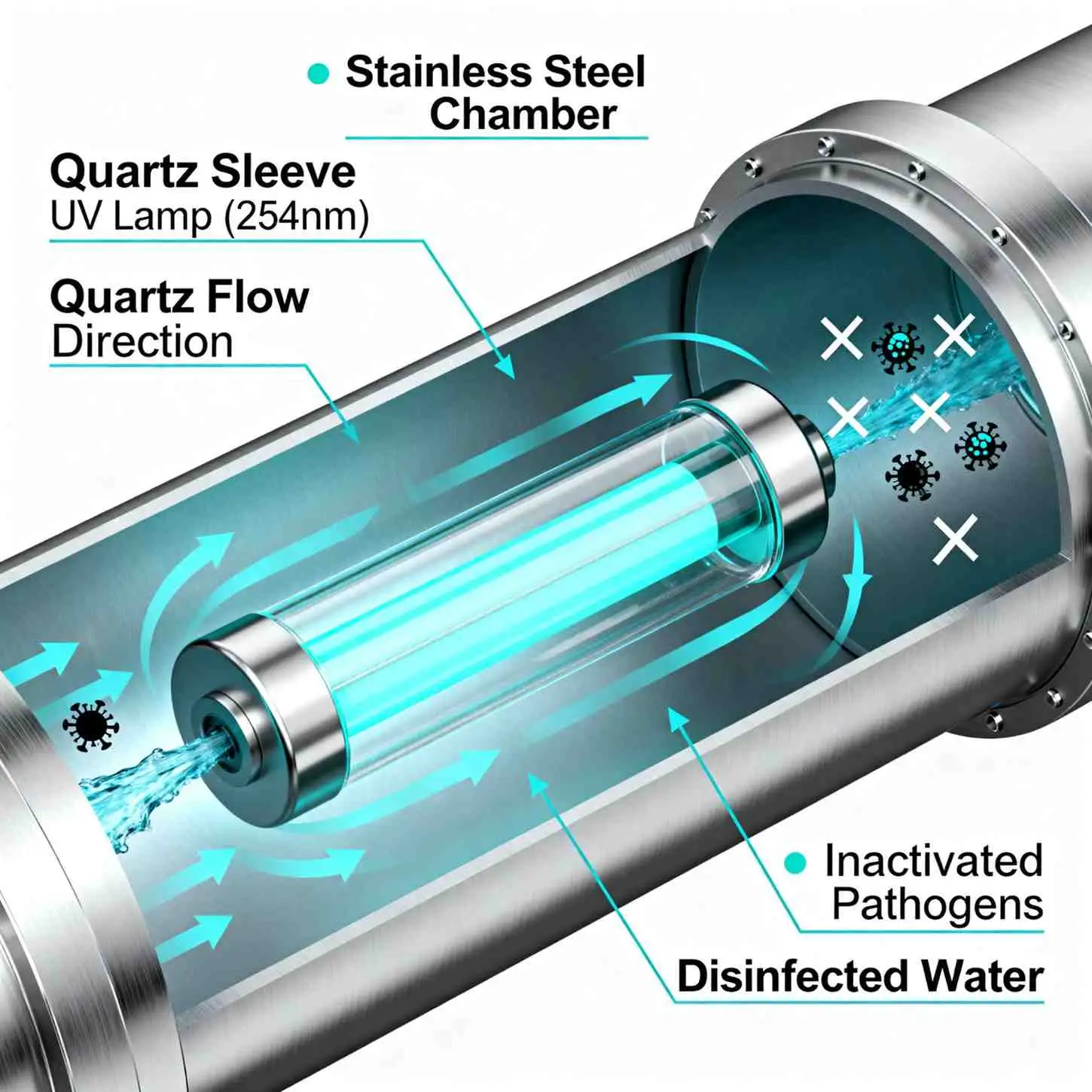
Let’s be clear about what this technology is and isn’t.
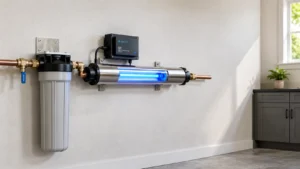
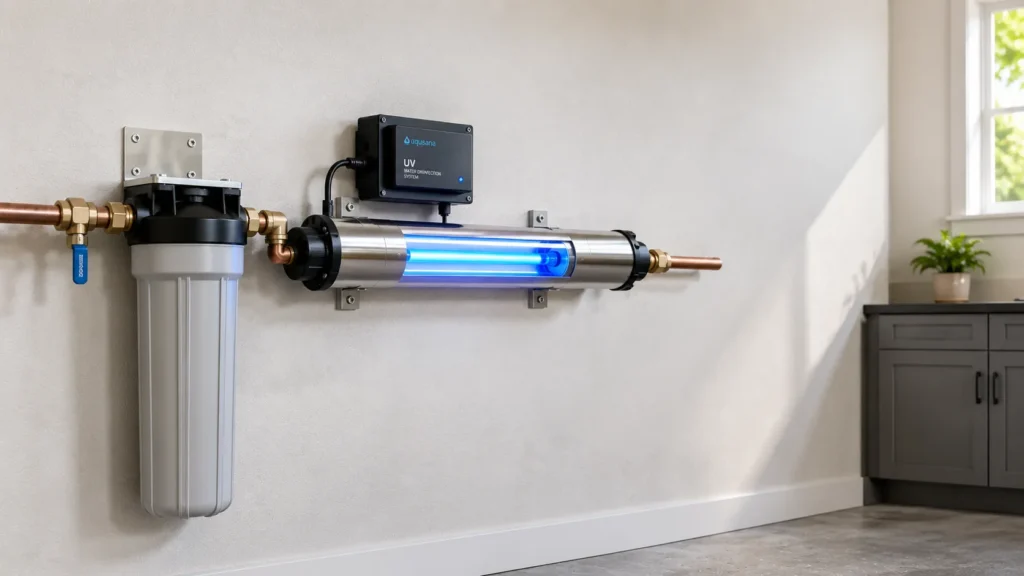
A UV light water filter uses ultraviolet light at a wavelength of 254 nanometers to damage the DNA of microorganisms. When a pathogen’s DNA is scrambled, it can’t reproduce. It can’t make you sick. The process happens inside a stainless steel chamber as water flows past a UV lamp enclosed in a quartz sleeve.
What UV actually eliminates:
- E. coli and total coliform bacteria
- Giardia and Cryptosporidium (chlorine-resistant parasites)
- Hepatitis A, norovirus, Legionella
- Virtually all waterborne pathogens at 99.99% effectiveness
What UV does not remove:
- Sediment or turbidity
- Iron, manganese, or hardness minerals
- Chlorine, VOCs, or heavy metals
- Taste and odor issues
This is the part competitors gloss over. A UV system is a disinfection tool, not a filtration system. If your water has iron, sediment, or chemical contamination, those issues need separate treatment upstream.
Does UV Light Filter Water on Its Own?
The honest answer is: partially.
Does UV light filter water? It disinfects it. That’s not the same as filtering it. UV treatment kills living organisms but does nothing to remove dissolved solids, sediment, or chemical contaminants. Think of it as the last line of biological defense, not the whole system.
A UV system added to untreated well water in that kind of environment won’t do what you’re hoping it will. You need sediment pre-filtration first. You may also need iron treatment. The UV stage comes last.
When a UV Light Filter for Well Water Makes Sense
You’re on a Private Well
This is the strongest use case. Well water is not treated at a municipal plant. There’s no chlorination. No monitoring. If bacteria or viruses enter your well from surface runoff, flooding, or a cracked casing, they go straight into your home’s water supply.
A UV light filter for well water gives you continuous, chemical-free disinfection without altering taste or adding byproducts. For families on well water in Tracy, Manteca, or rural San Joaquin County, this is not optional protection. It’s basic safety.
Your Water Has Had a Positive Bacteria Test
If a lab test has come back positive for total coliform or E. coli, UV is the right response. It’s fast, effective, and doesn’t involve adding chemicals that affect water chemistry.
You Have an Immunocompromised Household Member
Standard municipal treatment doesn’t always eliminate Cryptosporidium effectively. For households with elderly members, young children, or anyone with a compromised immune system, UV adds a meaningful layer of protection.
How to Set Up a Whole House Water Filter with UV
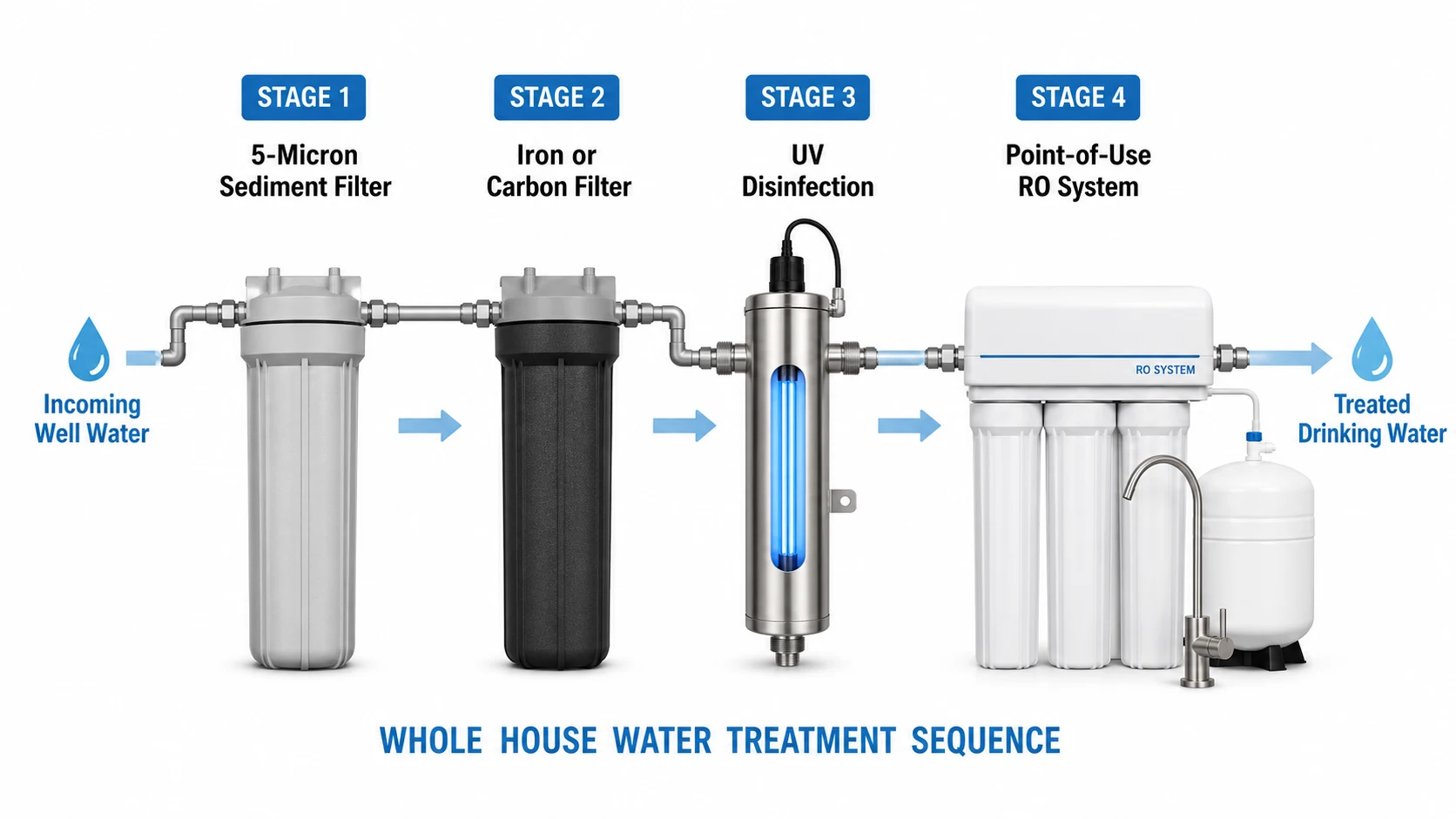
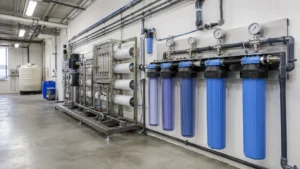
A whole house water filter with UV isn’t a single product. It’s a treatment sequence. Getting the order right matters more than the brand you buy.
The Correct Treatment Order
Step 1: Sediment Pre-Filter Remove particles, sand, and turbidity first. The UV lamp needs clear water to work. Cloudy water blocks the light from reaching pathogens. A 5-micron sediment filter before the UV chamber is non-negotiable.
Step 2: Iron or Carbon Filter (if needed) If your water has iron above 0.3 ppm or a sulfur smell, install an iron filter here. Carbon filtration can also remove chlorine and VOCs at this stage.
Step 3: UV Disinfection Chamber The UV stage goes last. By this point, water should be clear and free of competing contaminants. The UV lamp can then do its job properly.
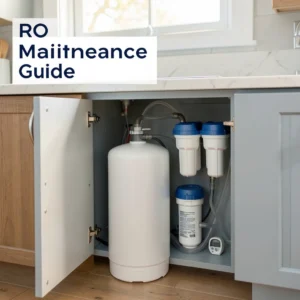
Step 4: Point-of-Use RO (Optional but Recommended) For drinking and cooking water, a Reverse Osmosis System for Homes paired with UV gives you the most complete protection available. The RO membrane handles dissolved solids, heavy metals, and nitrates that UV simply can’t touch.
Many Tracy homeowners doing a full system upgrade start with a Water Filtration System Tracy CA consultation to get the right combination sized for their home’s flow rate and water chemistry.
How to Change a UV Light Water Filter: What Maintenance Looks Like
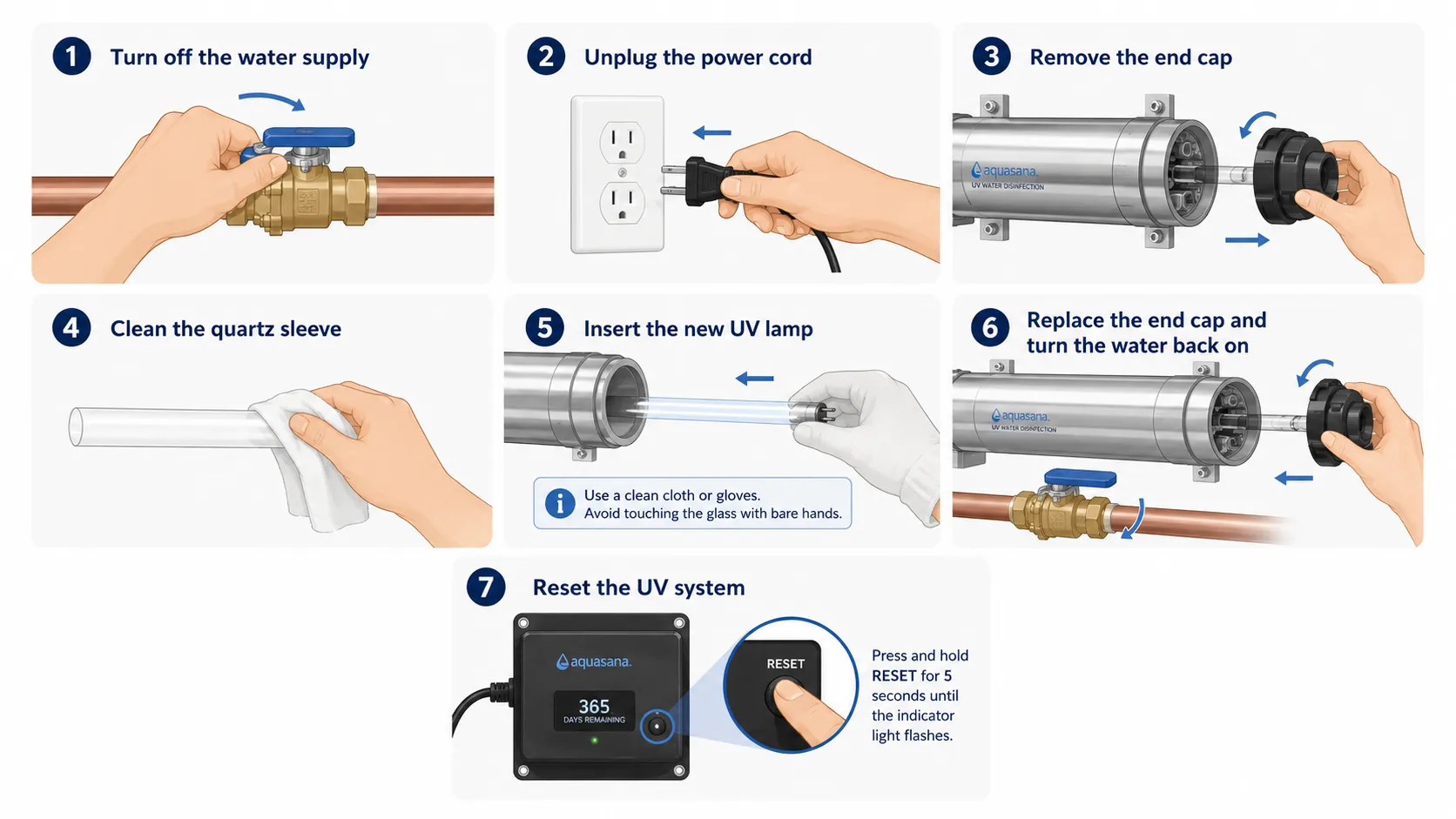
One of the biggest reasons people hesitate is maintenance. Let’s clear this up.
How to change a UV light water filter lamp (annual replacement):
- Turn off the water supply to the UV chamber
- Unplug the power unit from the outlet
- Remove the end cap on the chamber and slide out the old lamp
- Inspect the quartz sleeve for mineral scale or deposits (clean with a vinegar-soaked cloth if needed)
- Insert the new UV lamp carefully without touching the glass surface (oils from your skin reduce effectiveness)
- Reinstall the end cap, restore power and water flow
- Reset the lamp timer on the controller unit
The lamp itself typically lasts around 9,000 hours, which is about one year of continuous use. Even if it still produces visible light after that point, the UV output drops below effective disinfection levels. Replace it on schedule, not when it burns out visually.
Cost for annual lamp replacement: roughly $60 to $150 depending on the system. That’s your total maintenance cost.
UV vs. Reverse Osmosis: Do You Need Both?
This question comes up constantly. Here’s the practical answer.
|
Feature |
UV Filter | Reverse Osmosis |
| Kills bacteria/viruses | Yes (99.99%) |
Partially (RO membrane blocks most) |
|
Removes sediment |
No | Yes |
|
Removes chemicals/VOCs |
No |
Yes |
| Removes heavy metals | No |
Yes |
|
Removes nitrates |
No | Yes |
| Affects water taste | No |
Yes (improves it) |
|
Requires electricity |
Yes | No (most systems) |
| Best for | Disinfection |
Comprehensive purification |
The best setup for well water or high-risk water sources is both: UV at the whole house level for biological protection, and a Professional RO System Installation in Tracy, CA at the point of use for drinking water quality.
If you’re only on municipal water and your concern is taste and TDS, an RO system alone may be enough. But if bacteria is a concern at any level, add UV.
What to Look for When Buying a UV System
Don’t get upsold on features you don’t need. Here’s what actually matters:
- NSF/ANSI Standard 55 certification: This is the benchmark for residential UV disinfection. Don’t buy a system without it.
- Flow rate (GPM): Match the system’s gallons per minute rating to your home’s peak demand. A 3-bedroom home typically needs 8 to 12 GPM.
- Lamp replacement availability: Make sure replacement lamps are easy to source. Some budget brands have parts that disappear from the market within two years.
- Controller with alarm: A good unit will alert you when the lamp needs replacement or when UV output drops. Don’t rely on guessing.
Honestly, most homeowners in Tracy don’t need a 10-stage system with a UV lamp. A well-sized, properly sequenced three or four-stage setup with UV handles the real risks without overcomplicating the installation.
Local Consideration: Tracy Well Water and UV Need
Tracy sits at the edge of the San Joaquin Delta. Homes on private wells in this area draw from shallow aquifers that are more susceptible to surface contamination from irrigation runoff and seasonal flooding. Agricultural activity in the region also introduces nitrates and the occasional bacteria spike after heavy rain events.
For those properties, UV disinfection isn’t a luxury add-on. It’s a practical necessity. RO Water Filter System serves homeowners throughout the Tracy area and can assess your specific water conditions before recommending a system size or configuration.
Conclusion
A UV light water filter is one of the most reliable, chemical-free ways to protect your family from waterborne illness. It doesn’t replace sediment filtration or an RO system. But as part of a properly sequenced whole house setup, it fills a gap that no other residential technology handles as efficiently or as affordably.
If you’re on well water in or around Tracy, you shouldn’t be guessing about your water safety. Get a water test first. Then build a system around what your water actually needs. RO Water Filter System is here to help you figure that out, contact us today and we’ll walk you through every step.
FAQs
Can a whole house water filter with uv improve drinking water taste?
Not by itself. UV systems target microorganisms, not taste or odor issues. Carbon filters and reverse osmosis systems are usually needed to improve flavor and reduce chlorine.
Does uv light filter water completely?
No. UV systems disinfect microorganisms like bacteria and viruses, but they do not remove sediment, chlorine, heavy metals, or dissolved minerals. Most homes still need additional water filtration systems for complete treatment.
How difficult is it to learn how to change uv light water filter parts?
Basic lamp replacement is manageable for some homeowners, but quartz sleeve cleaning and chamber sealing require care. Improper installation can reduce UV performance or create leaks.
Is a uv light filter for well water a good idea?
Yes. Well water can contain bacteria from groundwater contamination or septic runoff. A properly sized UV system can help disinfect the water without adding chemicals.
Can a whole house water filter with uv improve drinking water taste?
Not by itself. UV systems target microorganisms, not taste or odor issues. Carbon filters and reverse osmosis systems are usually needed to improve flavor and reduce chlorine.