Most people already know that single-use plastic bottles are bad for the environment. What they don’t always know is how much worse it actually is, or whether a home filter system is really the better answer in every situation. RO Water Filter System works with homeowners across Tracy and the surrounding area, and this question comes up constantly: “Is a water filter actually better for the planet?”
The honest answer is yes, but with important details worth understanding. The environmental impact of water filters varies depending on the type of system, how you use it, and what you’re replacing. Let’s break it down clearly.
The Environmental Impact of Water Filters Compared to Bottled Water
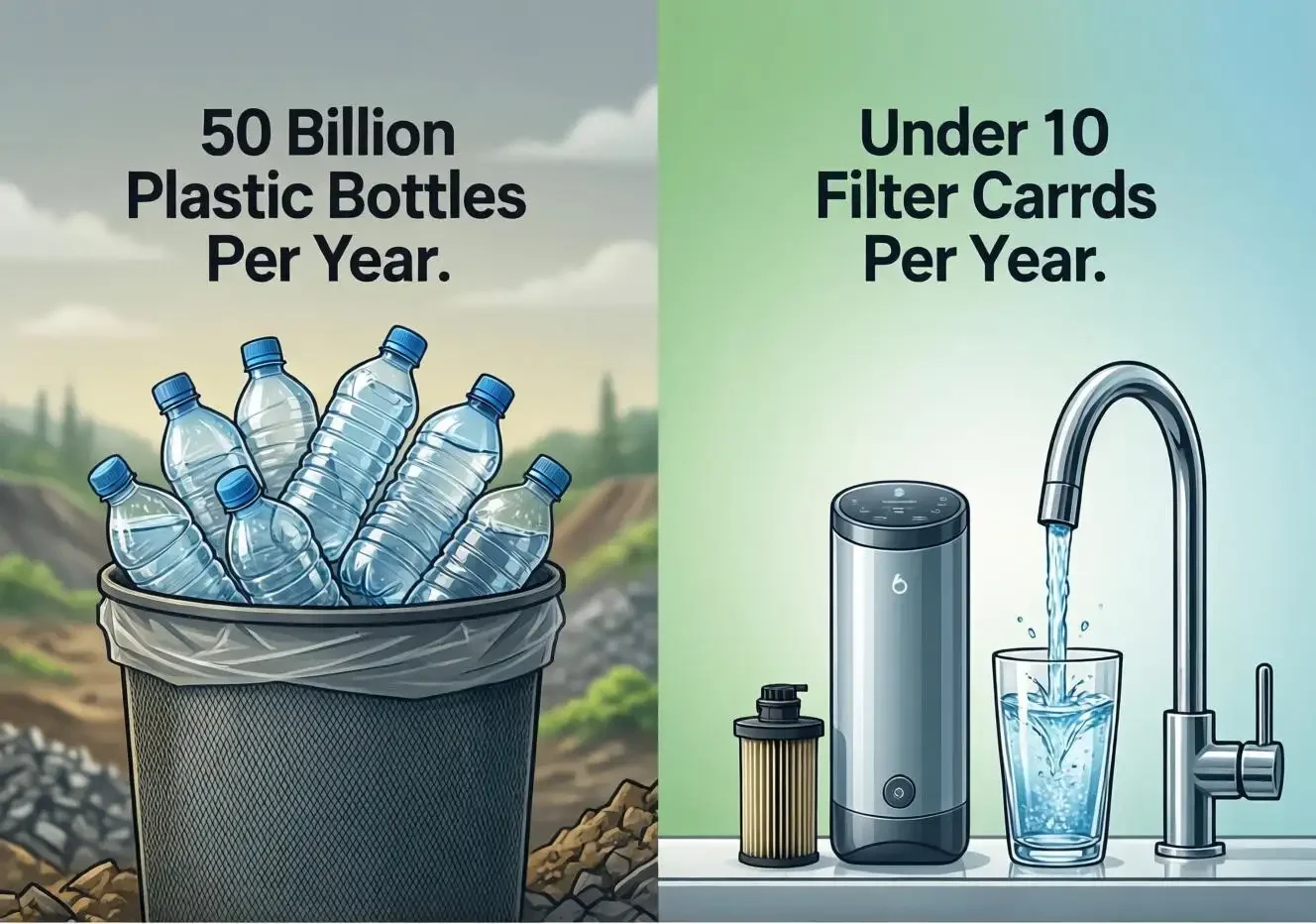
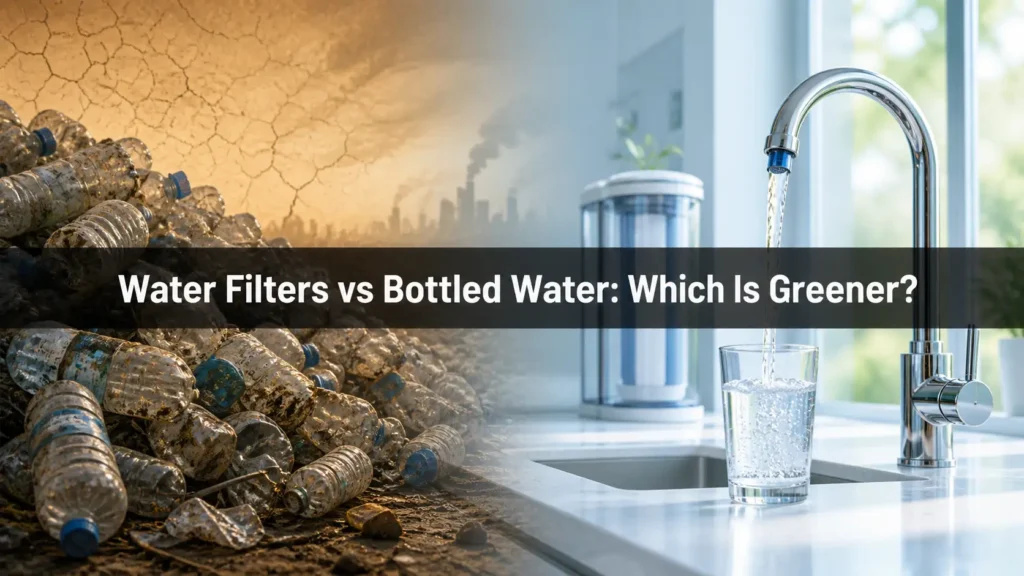
The scale of bottled water waste is hard to wrap your head around. The U.S. alone produces around 50 billion plastic water bottles every year. Less than 30 percent of those get recycled. The rest end up in landfills, waterways, and eventually break down into microplastics that contaminate drinking water sources, soil, and marine ecosystems. A single plastic bottle takes roughly 450 years to decompose.
And producing each bottle requires oil, energy, and more water than the bottle actually holds. That last part surprises people: it takes nearly 3 liters of water to produce 1 liter of bottled water. So bottled water doesn’t just create plastic waste. It burns through the water supply itself.
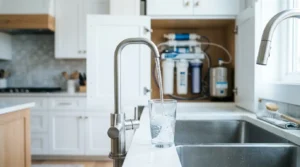
By contrast, a good home filtration unit can replace thousands of single-use plastic bottles every year. A family of four drinking 2 liters each per day would go through nearly 3,000 bottles annually. One under-sink filter system handles all of that. And most filter cartridges are small enough that their waste footprint is a fraction of what the bottles would have left behind.
What Makes Water Treatment Sustainable: The Filter Side of the Story
Filters aren’t perfect. That’s worth saying plainly. But understanding what makes water treatment sustainable means looking at the full picture, not just one part of it.
Filter cartridge waste: Every filter has a lifespan. A standard sediment or carbon filter might need replacing every 6 to 12 months. That’s one small cartridge per stage, per year. Compare that to 3,000 bottles per family per year, and the math isn’t close. Some manufacturers now offer recyclable cartridges or take-back programs, which helps reduce that waste even further.
Energy use: Point-of-use filters (the kind that sit under your sink) use almost no energy. Gravity filters use none at all. Even electrically assisted systems like those with permeate pumps draw very little power compared to the energy burned in plastic bottle manufacturing, refrigeration, and transportation logistics.
Carbon footprint of delivery: Bottled water doesn’t teleport to your fridge. It gets trucked from bottling plants, often hundreds of miles away. That distribution chain adds significant carbon emissions per gallon delivered. A home filter has essentially zero ongoing carbon footprint once it’s installed.
Reverse Osmosis Systems: The Wastewater Question
Here’s where people get stuck. Reverse osmosis systems are incredibly effective at removing contaminants, but they do produce wastewater during the filtration process. A standard RO unit might send 3 to 4 gallons of water down the drain for every gallon of filtered water it produces.
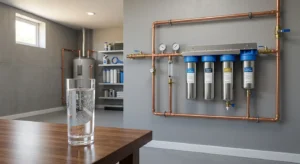
That ratio has improved a lot. Modern efficient RO systems, including the type used in a 6-Stage Water Filtration System, can get much closer to a 1:1 ratio with the right configuration. A permeate pump helps push the filtered water through with less pressure, which improves efficiency and reduces how much water gets wasted in the process.
But here’s the real comparison: the water sent down the drain in an RO system is still municipal water that gets treated and re-enters the local supply chain. The bottles you throw away don’t come back. They’re gone. Even accounting for RO wastewater, the net environmental impact is still far better than a household relying on bottled water long-term.
How Does Water Use Affect the Environment in Tracy Specifically?
Tracy’s tap water isn’t bad. But it does carry a higher mineral content than many California cities. The total dissolved solids (TDS) in local water can make a noticeable difference in taste and appliance longevity. That’s part of why so many residents turn to bottled water for drinking, without realizing that they’re trading a manageable water quality issue for a much larger environmental problem.
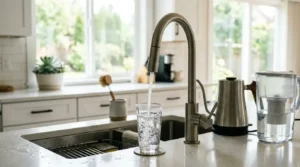
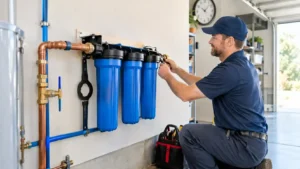
A properly installed Water Purification System treats the water coming in, removes contaminants at the source, and delivers clean water without any ongoing plastic waste. For homeowners in Tracy concerned about both water quality and environmental sustainability, that’s a much more practical solution than buying cases of plastic bottles every week.
It’s also worth noting that bottled water companies often source from municipal systems anyway. Many popular brands are filtered tap water. You’re paying a massive premium for something that, in many cases, starts from the same source as what’s already flowing to your home.
Ecological Water Filter Options: What to Look For
Not every filter is equally green. Some products market themselves as sustainable without much to back it up. When evaluating an ecological water filter, there are a few practical things to consider.
Filter lifespan matters. A filter that lasts 12 months creates half the cartridge waste of one that needs replacing every 6 months. Look at cost-per-year comparisons, not just upfront price.
Certifications are worth checking. NSF/ANSI certifications confirm that a system removes what it claims to remove. This matters because a filter that doesn’t work properly doesn’t reduce bottled water purchases. It just adds cost without solving the problem.
Avoid over-engineering. Honestly, most homeowners in Tracy don’t need a 10-stage system. A well-configured reverse osmosis unit with a quality pre-filter and post-carbon stage handles 99 percent of typical household concerns. Bigger isn’t always greener, and it isn’t always better.
Consider a sustainable water filtration setup that fits your actual usage. A system sized correctly for your household runs more efficiently, wastes less water during the RO process, and requires fewer filter changes relative to what it produces.
The Long-Term Environmental Math
Let’s put some rough numbers together. A family of four switching from bottled water to a home RO system would:
- Eliminate roughly 2,500 to 3,000 plastic bottles per year
- Reduce carbon emissions from bottle production and delivery
- Generate 4 to 8 small filter cartridges annually (depending on system configuration)
- Reduce household water spending by a significant margin over time
Over 10 years, that family keeps somewhere between 25,000 and 30,000 plastic bottles out of the landfill. That’s not a marketing number. That’s just what simple math works out to.
The carbon footprint of maintaining a home filter system for 10 years is a fraction of what bottled water delivery and disposal costs the environment over the same period.
Reducing Plastic Waste Starts at Home
Reducing plastic waste from bottled water is one of the easiest environmental wins a household can make. The barrier isn’t information. Most people already know bottles are bad. The barrier is usually doubt about tap water quality or unfamiliarity with what a home filter actually does.
A reverse osmosis system removes chlorine, chloramines, lead, nitrates, arsenic, and a wide range of other contaminants from tap water. What you get from the tap after filtration is genuinely clean, safe drinking water. Not filtered tap water marketed at a premium. Actual clean water from your own kitchen.
For homeowners weighing environmental sustainability against practical concerns about water safety, the two goals are not in conflict. A good home filtration system solves both.
Conclusion
The environmental impact of water filters is significantly lower than that of bottled water when you look at the full picture: plastic waste, carbon emissions, energy use, and long-term water consumption. No system is perfect, but the difference is not close.
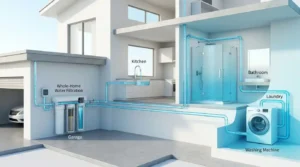
If you’re in Tracy or the surrounding area and you want to stop buying cases of water bottles, RO Water Filter System can help you find a setup that works for your home, your water quality, and your budget. Reach out through the contact page and we’ll walk you through your options, from a basic under-sink unit to a full whole-house configuration. There’s a solution that fits. And it’s almost certainly better for the environment than what you’re doing right now.
FAQs
Is a water filter really better for the environment than bottled water?
Yes, in most cases it is. A home filtration system reduces plastic bottle use and transport emissions, which are major contributors to environmental waste.
Does reverse osmosis waste a lot of water?
Reverse osmosis systems do produce wastewater, but modern systems are more efficient than older versions. Over time, they still reduce environmental impact compared to bottled water use.
What is the biggest environmental issue with bottled water?
The biggest issue is plastic waste. Single-use bottles contribute heavily to landfill waste and microplastic pollution in water systems.
Can water filters completely eliminate environmental impact?
No system is impact-free. However, filtration significantly reduces plastic waste and carbon emissions compared to bottled water consumption.
Is sustainable water filtration expensive to maintain?
Maintenance costs are usually moderate. Filter replacements are needed periodically, but they are still far cheaper and less wasteful than buying bottled water continuously.