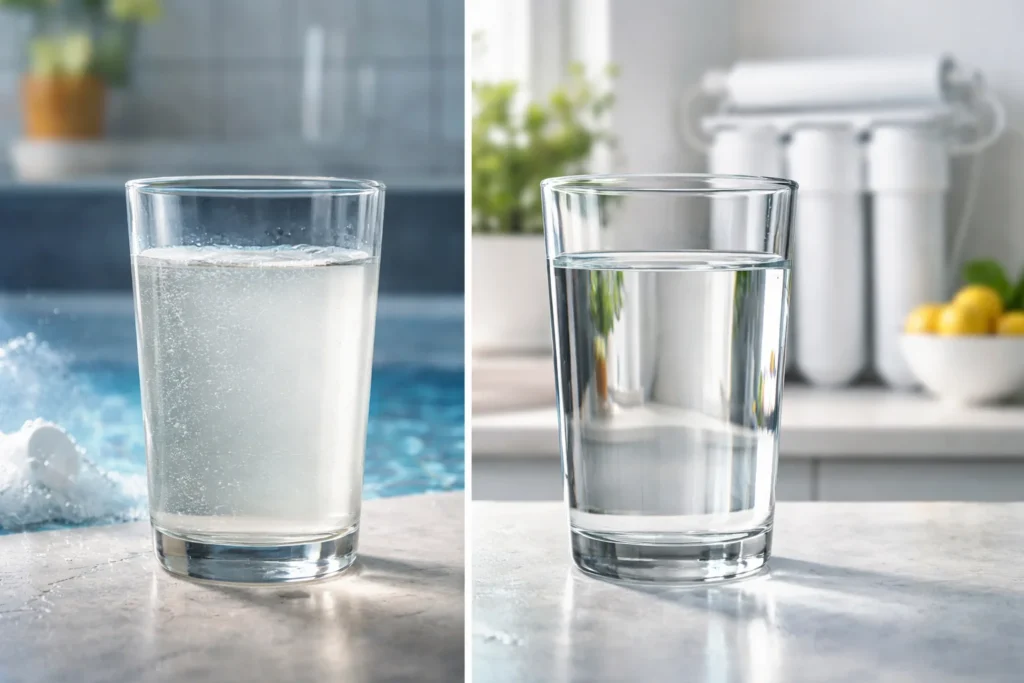
Your tap water smells like a public pool, and you’re tired of it. I get it. Chlorine keeps water safe on its way to your faucet, but it can leave a harsh taste and a dry feeling on your skin. Here’s the quick answer to how to remove chlorine from tap water: let it sit uncovered, boil it, or run it through an activated carbon filter. Each works, but only if you know which disinfectant your utility uses.
I’ll show you which method fits your home and budget. You’ll learn five practical fixes, the chloramine catch that most guides skip, and the mistakes that waste money. Let’s start with why chlorine is in your water at all.
Why Chlorine is in Your Tap Water
Water treatment plants add disinfectant to kill bacteria, viruses, and parasites. Chlorine stays active as water travels through miles of pipe. It works like a security guard who keeps patrolling after the building is locked. Without it, germs could grow between the plant and your kitchen.
The U.S. EPA sets a maximum residual disinfectant level of 4 mg/L for chlorine in drinking water. At or below that level, regulators consider it safe to drink. So why remove it? Mostly for taste, smell, and comfort. Some people also notice dry skin or irritated eyes after a long shower.
There’s one more reason. Chlorine can react with natural organic matter in water and form byproducts, such as trihalomethanes. The EPA regulates those too. Filtering chlorine before it reaches your glass is a simple way to cut your exposure to both.
5 Practical Ways to Remove Chlorine from Tap Water
1. Activated Carbon Filtration
How it works: Carbon filters do a great job of getting rid of chlorine. Activated charcoal absorbs chlorine molecules when water runs through it, making it taste and smell better.
Practical application:
- Use a countertop carbon filter pitcher for small quantities.
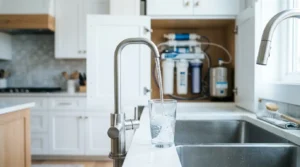
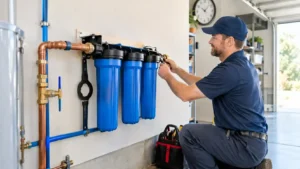
- Install an under-sink carbon filter for more consistent results.
Effectiveness: Works immediately, does not remove fluoride.
For families looking for long-term solutions, the 7-Stage Water Filtration System from RO Water Filter System can combine carbon filtration with reverse osmosis for comprehensive purification.
2. Boiling Water
How it works: Boiling water causes chlorine or chloramine to evaporate. Boil water for 15–20 minutes and allow it to cool before use.
Effectiveness:
- Works well for small batches of water.
- Will not remove fluoride.
Boiling is a good way to cook or make drinks, but it might not be the best way to get drinking water every day.
3. Using Vitamin C
How it works: Vitamin C neutralizes chlorine through a chemical reaction, converting it into harmless compounds.
Practical application:
- Add a small amount of vitamin C powder to water.
- Use vitamin C-based filter cartridges for larger volumes.
Effectiveness: This procedure is safe, quick, and works especially well for getting rid of chlorine in fish tanks or drinking water for people who are sensitive to it.
4. Reverse Osmosis Filtration
How it works: Reverse osmosis (RO) systems push water through a membrane that only lets some things through. This gets rid of chlorine, dissolved solids, and other pollutants.
Key considerations:
- Will reverse osmosis remove chlorine? Yes, if paired with a pre-carbon filter. Standard RO membranes alone do not remove chlorine efficiently.
- pH impact: RO water is slightly acidic; the typical pH of reverse osmosis drinking water ranges from 5.5 to 7.0.
RO systems are ideal for homeowners in Tracy, CA, who want consistent, chemical-free Drinking Water Filtration without daily manual intervention.
5. Aeration
How it works: Simply exposing water to air allows chlorine to dissipate naturally.
Practical application:
- Fill a container and let water sit uncovered for 24 hours.
- Stirring water speeds up the process.
Effectiveness: Works best with municipal water that has free chlorine, but not with water that has chloramine, which is more stable.
Choosing the Right Solution for Your Home
The best option depends on three things: your disinfectant, your goal, and your budget. Use this table as a starting point.
| Your situation | Best fit |
|---|---|
| Better-tasting drinking water on a tight budget | Standing water or a carbon pitcher |
| Chlorine for cooking or one-off needs | Boiling |
| Chloramine in your water supply | Catalytic carbon or vitamin C |
| Clean drinking water plus lower contaminants | Under-sink reverse osmosis |
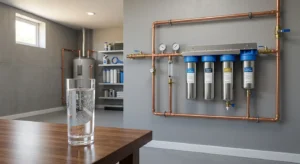
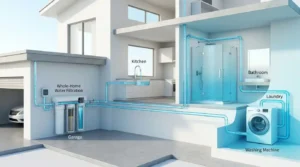
| Chlorine in showers, laundry, and every tap | Whole-house carbon system |
I’d start by confirming your disinfectant. Then decide whether you want clean water at one tap or in the whole house. Most families I’d point toward an under-sink system for drinking water, plus a shower filter if skin or hair is the complaint. That setup covers most needs without a big upfront cost. read our How to Make Tap Water Taste Better ensures chlorine, sediment, and other contaminants are removed effectively.
Signs Your Tap Water May Have Too Much Chlorine
Your nose is the first test. A strong swimming pool or bleach smell means chlorine is present at a level you can notice. Taste works the same way. Water that tastes flat, sharp, or medicinal often has chlorine in it.
Your body can give hints as well. Look for these signs:
- Dry, tight, or itchy skin after showering
- Dull, brittle hair
- Red or stinging eyes in the shower
- Coffee, tea, or ice cubes that taste off
- Faded laundry colors
- Cracked rubber seals in appliances
These clues aren’t a lab test. A smell can be strong at levels that are perfectly within legal limits. Skin dryness has other causes, such as hot water and harsh soap. Use your senses to decide if you want to act, and use your utility’s report or a test kit to see actual numbers.
Common Mistakes Homeowners Make
- Assuming boiling removes all chemicals (does not remove fluoride)
- Using RO systems without pre-carbon filters for chlorine removal
- Neglecting filter replacement schedules
- Ignoring local water reports that indicate chlorine or chloramine levels
Conclusion
Chlorine may be present in how to remove chlorine from tap water? But that doesn’t have to dictate your consumption habits. Homeowners in Tracy, CA, can benefit from several options for getting clean, great tasting water that won’t contain chlorine, these range from basic methods such as boiling and aeration through reverse osmosis to carbon filtering, with each approach having both advantages and drawbacks that should help make smart decisions.
At RO Water Filter System, we assist homeowners in creating effective chlorine removal systems to make for safe drinking water every day. Reach out to us and discover which system best meets the needs and lifestyle requirements of your home and lifestyle for safe, refreshing drinking water every time!
FAQs
How long does it take for chlorine to evaporate from tap water naturally?
It typically takes 24 hours for free chlorine to dissipate if water is left in an open container. Chloramine-treated water may require additional filtration.
Can boiling water remove fluoride as well as chlorine?
No, boiling only removes chlorine or chloramine. Fluoride remains in the water unless removed by reverse osmosis or specialized filters.
Will a reverse osmosis system remove all chlorine from my tap water?
Yes, if the RO system includes a pre-carbon filter. The carbon removes chlorine before water passes through the RO membrane.
How often should I replace my carbon filter for chlorine removal?
Most under-sink carbon filters need replacement every 6–12 months, depending on water usage and chlorine levels.
What is the pH of reverse osmosis drinking water?
Reverse osmosis drinking water typically has a pH between 5.0 and 7.0, making it slightly acidic to neutral after filtration.