Families struggling with hard water often resort to temporary solutions like faucet filters or bottled water, however, these measures don’t address the core problem, minerals remain in pipes and appliances and form scale deposits over time. That is why so many homeowners search for whole house water softener for hard water which treat all entering water pressure directly rather than treating at specific points throughout a house’s infrastructure.
An effective system enhances water quality while safeguarding appliances and helping cleaning products function more effectively. Brands like Rowater Filter System often assist homeowners.
Understanding Hard Water in Homes
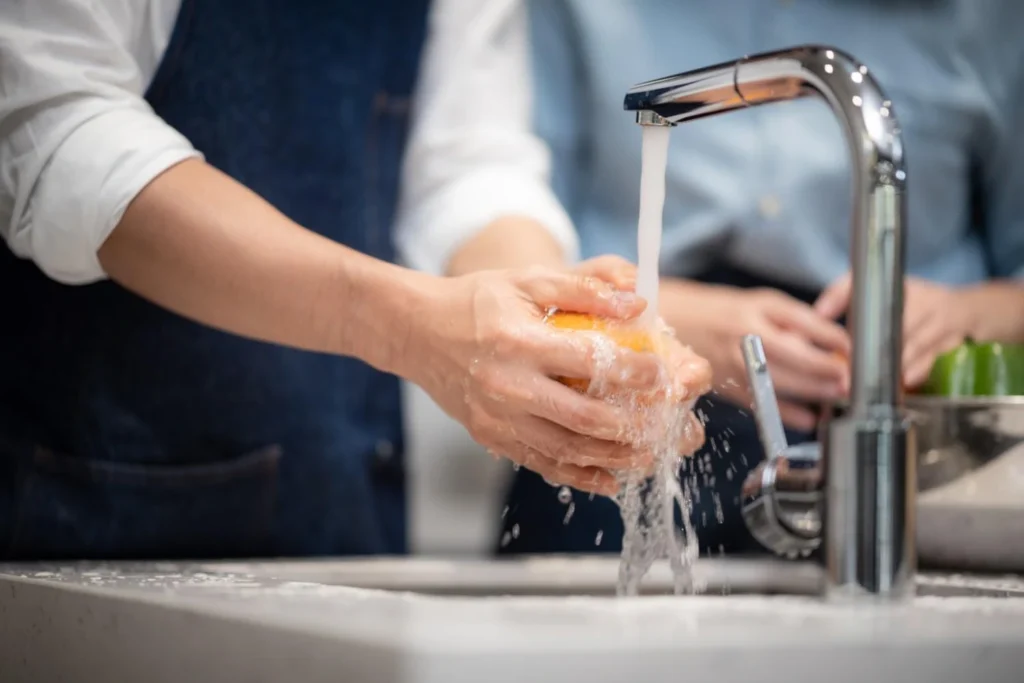
Hard water contains minerals like calcium and magnesium from underground rock layers; this mineral composition makes hard water common across many regions with city or well city water supplies.
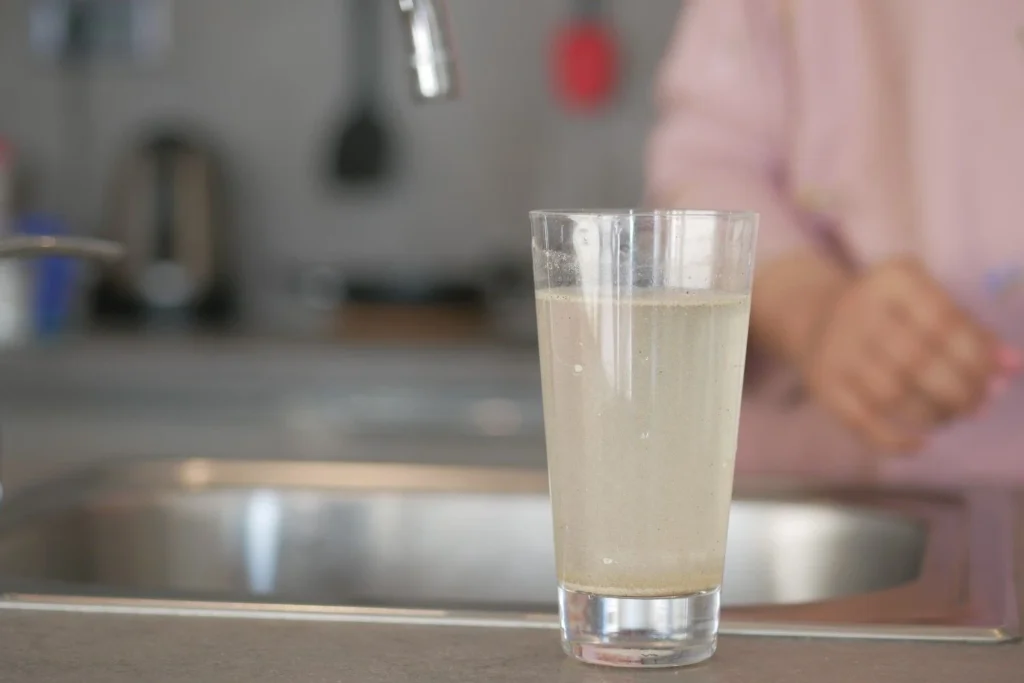
As water passes through pipes and appliances, minerals form deposits which eventually lead to scale formation in plumbing and equipment. Common signs of hard water include:
- Soap scum on sinks and showers
- Spots on dishes and glassware
- Dry skin and dull hair after bathing
- Reduced water pressure in shower heads
- Shorter lifespan of dishwashers and water heaters
- Laundry that feels rough or faded
These issues lead many homeowners to ask “how do you fix hard water” in a permanent way. Fixed it, permanently installed a water filter with an experienced hand like the Rowater Filter System
The most reliable solution is a whole house water softener for hard water, which treats water before it reaches any tap in the home.
How a Whole House Water Softener Works
For an in-depth understanding of why these systems work so effectively, it helps to know how a whole house water softener works. Most systems utilize an ion exchange process.
Inside a water softener tank are small resin beads coated in sodium ions that attract minerals such as calcium and magnesium when hard water passes through, softening its effect by drawing these out as calcium and magnesium are drawn towards them by adhering to these resin beads.
Here’s how it works:
- Hard water enters the softener tank.
- Resin beads capture the hardness minerals.
- Sodium ions are released into the water.
- The result is softened water that flows throughout the home.
Once the resin beads become full of hardness minerals, the system regenerates.
During regeneration:
- The system flushes the tank with brine.
- Salt replaces the captured minerals.
- The system prepares for the next cycle.
Homeowners periodically add salt to the brine tank to keep the system running.
This simple process makes a hard water softener one of the most reliable water hardness treatment solutions available.
Benefits of Installing a Home Water Softener System
A well-sized system improves daily life in many ways.
1. Protects Plumbing and Appliances
Hard minerals in water gradually cause problems to water heaters, dishwashers and washing machines. Softened water helps prevent scale build-up which in turn means:
- Better appliance efficiency
- Longer equipment life
- Fewer plumbing repairs
For homeowners planning long-term hard water treatment for entire home, this protection is often the biggest benefit.
2. Improves Skin and Hair Comfort
Families suffering from dry skin or brittle hair often see significant relief after installing a whole-house water softener. Softened water allows soap to rinse clean instead of leaving mineral deposits behind and many homeowners report experiencing an improvement after their whole house softener has been installed.
Many homeowners report that:
- Skin feels smoother
- Hair feels softer
- Soap and shampoo rinse faster
These improvements are common in homes where water contains high mineral levels.
3. Better Cleaning Efficiency
Hard water diminishes the effectiveness of cleaning products, decreasing their efficacy.
With soft water:
- Laundry detergent works better
- Clothes feel softer
- Dishes come out cleaner
- Less soap is needed
Many households notice their tasting water and overall water feels better once hardness minerals are removed.
4. Protects Fixtures and Surfaces
Mineral deposits often stain sinks, tubs and glass surfaces in bathrooms and kitchens. Soft water reduces these deposits to make bathrooms and kitchens cleaner with reduced effort required to maintain cleanliness, leading homeowners to incorporate water softening systems as part of their maintenance plans. As such, new homeowners frequently include water softening systems in their plans.
Salt-Based vs Salt-Free Water Softener
Homeowners researching salt-based vs salt-free water softener systems often feel confused by marketing claims.
Understanding the difference helps make the right choice.
Salt-Based Water Softeners
These systems use ion exchange to remove hardness minerals.
Benefits include:
- True removal of calcium and magnesium
- Reliable hard water treatment
- Proven technology used for decades
They require homeowners to add salt periodically.
Salt-Free Water Softening
Salt-free systems do not remove minerals. Instead, they change how minerals behave in water.
These systems help reduce scale buildup but do not produce true soft water.
They may be useful when:
- Salt use must be limited
- Water hardness is moderate
- A low-maintenance solution is preferred
For homes with severe hardness, a water softener using salt-based technology usually provides stronger results.
Choosing the Best Whole House Water Softener System
Selecting the best whole house water softener system depends on several factors.
1. Household Water Usage
System capacity should match how much water your home uses.
Larger households require systems with higher grain capacity.
2. Flow Rate
The system must support your home’s flow rate.
This is measured in gallons per minute.If the system is too small, it can reduce water pressure during showers or laundry use.
3. Hardness Level
Before choosing equipment, homeowners should test their water.
Water tests show how much hardness exists and help determine the right water hardness treatment approach.
4. Installation Location
Most systems are installed where water enters the home.
They often include:
- A bypass valve
- Brine tank
- Resin tank
Many homeowners combine a softener with a Water Filtration System to improve overall water quality and remove chlorine or sediment.
5. Customer Support and Warranty
Reliable customer service and a strong satisfaction guarantee are important when choosing long-term water treatment systems.
Homeowners want systems that are easy to maintain and supported by experienced technicians.
How to Set Water Softener Hardness
Many homeowners ask “how to set water softener hardness” after installation.
The correct setting helps the system regenerate at the right time.
Follow these basic steps:
- Test your water hardness level.
- Enter the hardness value into the system control panel.
- Adjust settings based on household water usage.
- Monitor performance and adjust if needed.
If the system regenerates too often, it may waste salt. If it regenerates too rarely, hardness minerals can pass through. Correct settings help maintain effective hard water treatment throughout the home.
Maintenance Tips for Long-Term Performance
A whole house water softener for hard water is durable, but basic maintenance keeps it working efficiently.
Homeowners should:
- Check the salt level once a month
- Keep the brine tank clean
- Inspect the bypass valve for leaks
- Monitor water pressure changes
- Test water quality yearly
With simple care, most water softening systems operate effectively for many years.
Many households also install a Drinking Water Filtration System alongside the softener to improve tasting water and remove chlorine from city water supplies.
Common Mistakes When Choosing Hard Water Treatment
Some homeowners regret their purchase because they overlook important factors.
Common mistakes include:
- Buying a system too small for the home
- Ignoring flow rate requirements
- Choosing salt-free systems for severe hardness
- Skipping professional water testing
- Ignoring installation quality
When a Whole House System Makes the Most Sense
Not every home needs a full system, but certain households benefit the most.
This includes:
- Homes with visible scale buildup
- Families with skin irritation from hard water
- Households replacing damaged appliances
- New homeowners planning long-term water treatment systems
- Homes where mineral deposits affect cleaning and laundry
For these situations, a whole house water softener for hard water is often the most effective long-term solution.
Conclusion
Installing a whole house water softener for hard water to address hard water is the solution to its source, protecting plumbing from damage while simultaneously improving cleaning results and overall water quality. By eliminating hardness minerals prior to reaching faucets and saving plumbing from future wear and tear as well as enjoying better overall water quality throughout their home.
Many homeowners searching for long-term hard water treatment solutions turn to providers like Rowater Filter System contact us for advice and professional systems such as their filter system. With proper setup and care, an excellent system can deliver reliable soft water delivery over many years.
FAQs
What is the best whole house water softener system for hard water?
The best system depends on your water hardness level, household size, and required flow rate. Most homes benefit from a salt-based system using ion exchange for reliable hard water treatment for entire home.
How do you fix hard water permanently in a house?
The most effective solution is to install a whole-house water softener for hard water. These water softening systems remove minerals like calcium and magnesium before water enters your plumbing.
Is salt-free water softening as effective as salt-based systems?
Salt-free systems help reduce scale buildup, but they do not remove hardness minerals. For strong water hardness treatment, most homeowners prefer salt-based softeners.
How often do you need to add salt to a water softener?
Most homeowners add salt every 4 to 6 weeks depending on water use and hardness level. Checking the brine tank regularly helps maintain consistent softened water.
How do you set water softener hardness correctly?
Learning how to set water softener hardness starts with testing your water. Enter the hardness level into the system settings so the softener regenerates at the correct time.